
By: Julius Konton
President Joseph Nyuma Boakai is expected to break ground on the long-anticipated Mendicoma–Voinjama Highway Project in Lofa County on Saturday, marking what government officials describe as a strategic investment aimed at strengthening regional trade, improving transportation access, and accelerating economic growth in northern Liberia.
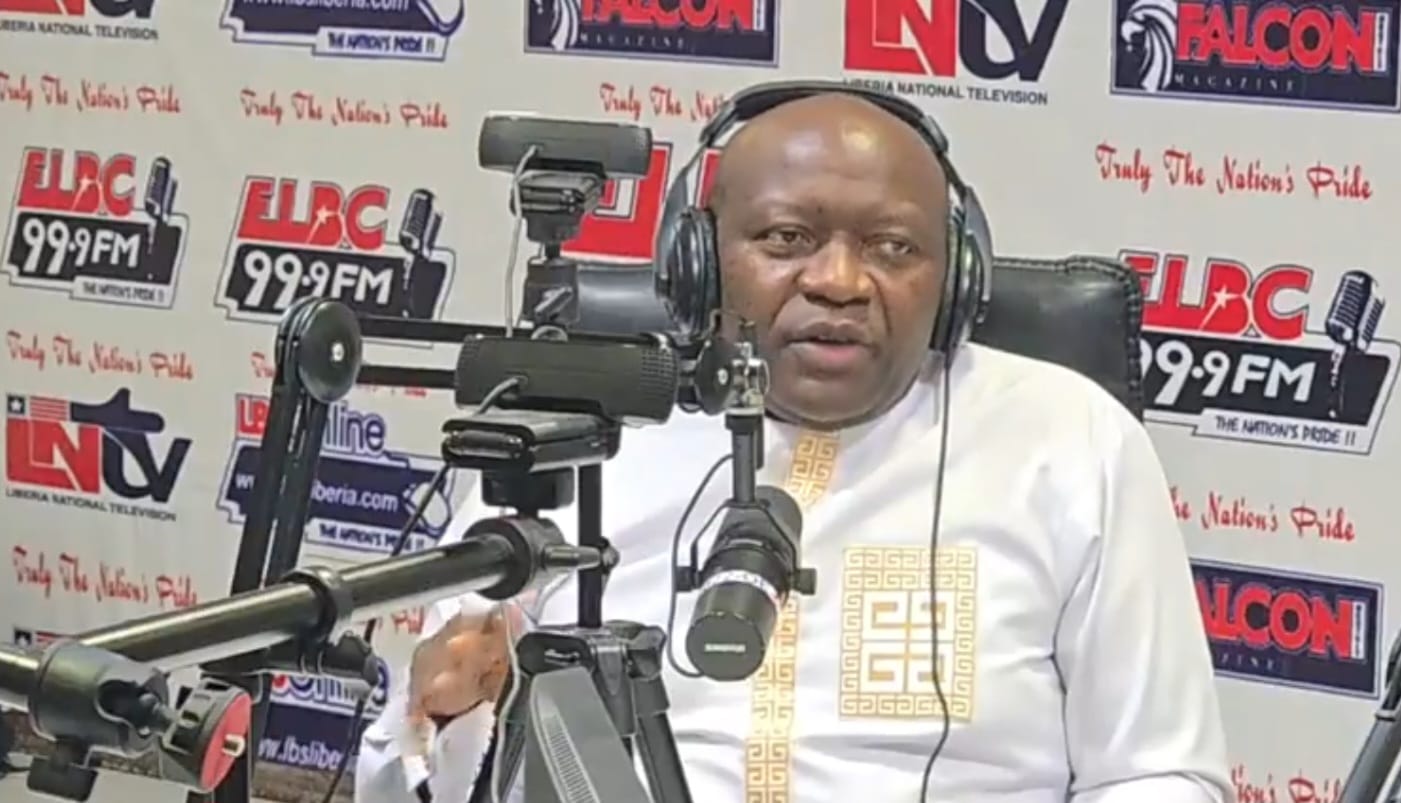
The announcement was made by Liberia’s Finance and Development Planning Minister, Augustine Kpehe Ngafuan, during an appearance on the state broadcaster’s Super Morning Show on Liberia Broadcasting System (ELBC).
According to Minister Ngafuan, the Mendicoma–Voinjama road project represents one of the flagship infrastructure priorities of the Boakai administration and is expected to deliver benefits extending beyond Liberia’s borders, particularly through enhanced trade, regional connectivity, and economic empowerment.
“This is a signature project and among the government’s highest priorities,” Ngafuan said, emphasizing the road’s strategic importance to communities in northern Liberia and neighboring countries that depend on cross-border commercial activity.
Strategic Significance of the Mendicoma–Voinjama Highway
The proposed highway is expected to significantly improve access to Voinjama, the capital of Lofa County, a region historically known for agricultural production, cross-border trade, and economic exchanges with neighboring Guinea and Sierra Leone.
Poor road infrastructure has long posed challenges for businesses, farmers, and commuters in Liberia, particularly during the rainy season when many rural roads become impassable.
According to regional development assessments, transport inefficiencies increase the cost of moving agricultural goods, reduce market access for farmers, and slow national economic productivity.
Liberia’s road network remains one of the country’s most pressing development concerns.
Of an estimated more than 10,000 kilometers of roads nationwide, only a limited proportion remains paved, leaving many rural communities vulnerable to seasonal isolation and economic disruption.
Government officials say improving road infrastructure is central to Liberia’s broader post-war reconstruction and development strategy, especially after years of civil conflict severely damaged national transport systems.
Government Expands National Road Infrastructure
Minister Ngafuan said the government continues to make progress in road infrastructure development across Liberia, citing ongoing projects, including the Robertsport corridor in Grand Cape Mount County and other strategic road initiatives designed to improve mobility and commerce.
He further disclosed that the Boakai administration is considering what he described as a “legacy corridor” , a completely new transport route that has never previously existed intended to connect Grand Bassa County, Bong County, and Nimba County.
If implemented, analysts say such a corridor could dramatically reduce travel time, facilitate domestic trade, support mining and agricultural activities, and strengthen economic integration between Liberia’s central and eastern regions.
Infrastructure economists often point to road investments as a key driver of economic expansion, particularly in developing economies where transport bottlenecks significantly hinder private sector growth and rural development.
Coastal Highway Funding Mobilization Underway
At the same time, Minister Ngafuan revealed that the Liberian government is actively mobilizing financial support from the European Investment Bank for the country’s coastal highway project, an ambitious initiative aimed at linking southeastern Liberia through improved transport infrastructure.
He disclosed that contracts have already been awarded for portions of the coastal corridor, including the stretch from Barclayville to Sasstown in southeastern Liberia.
The coastal highway project is widely viewed as a transformative initiative for historically underserved regions where poor road conditions have limited access to healthcare, education, markets, and government services.
Infrastructure as a Development Strategy
The Boakai administration has repeatedly emphasized roads and public infrastructure as a pillar of its development agenda, arguing that improved connectivity is essential to economic diversification, food security, trade facilitation, and national cohesion.
For Liberia, a nation still rebuilding decades after civil war devastated much of its infrastructure, transportation investment remains central to efforts to unlock economic opportunities, attract investment, and improve living standards for millions of citizens.
Saturday’s groundbreaking ceremony in Lofa County is expected to symbolize not only a new road project but also a broader ambition to transform Liberia’s infrastructure landscape and deepen regional economic integration.
