
By: Julius Konton
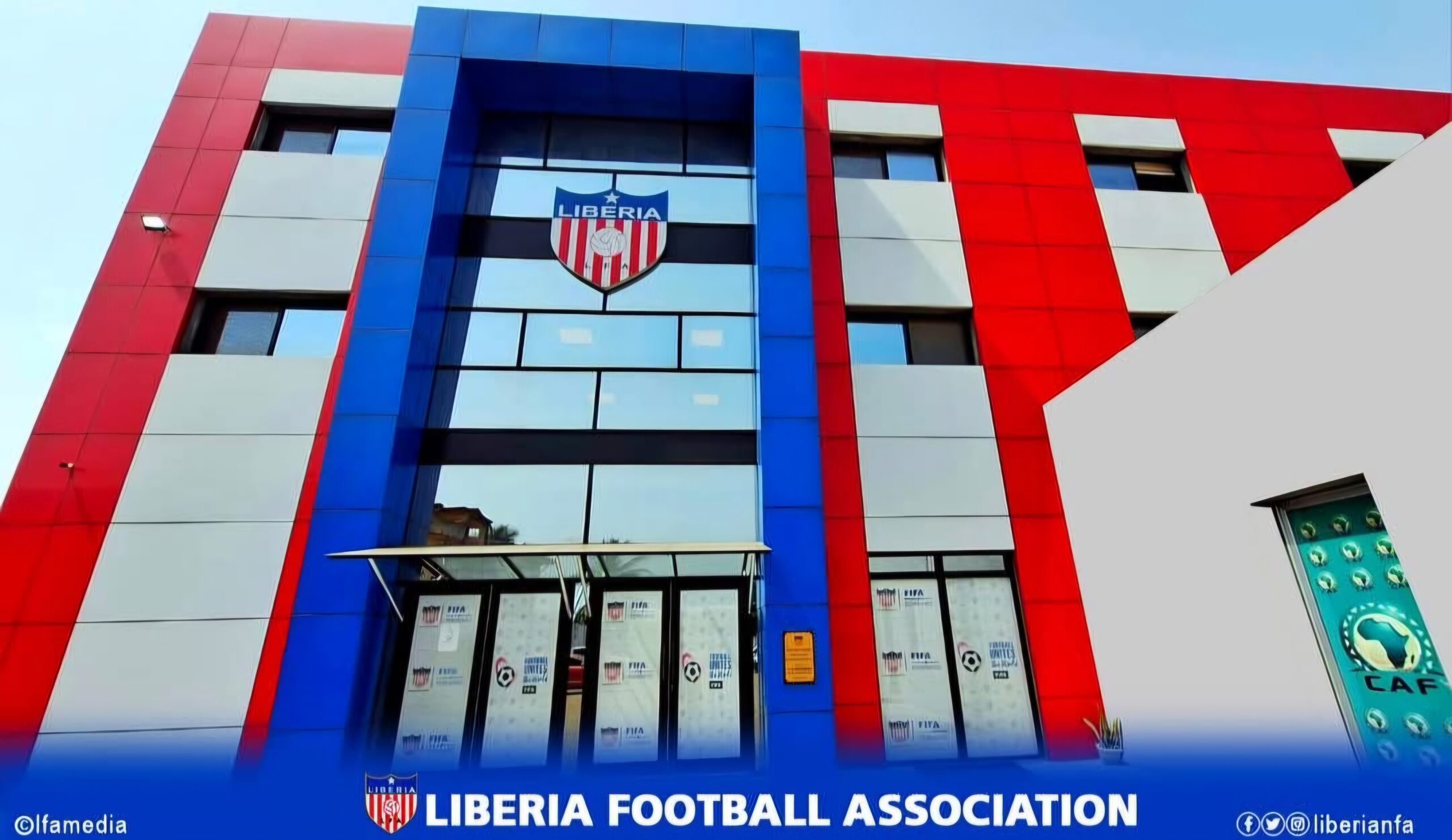
The Independent Elections Commission of the Liberia Football Association (LFA) has officially released the final list of approved candidates for the highly anticipated 2026 football leadership elections, confirming that incumbent president Mustapha I. Raji will run unopposed.
The announcement effectively secures a Third term bid for Raji, who has led the LFA since 2018, barring any last-minute legal or administrative challenges.
Running unopposed in football governance elections is not unprecedented in Africa, but it often raises questions about competitiveness, transparency, and inclusiveness in the electoral process.
Absence of Key Challenger Raises Eyebrows
Notably absent from the final presidential list is Anthony Cassell Kouh, widely considered one of the leading challengers.
Kouh had earlier announced that he successfully submitted his nomination documents before the deadline.
While the Elections Commission did not publish a list of disqualified candidates contrary to what some governance experts describe as international best practice sources close to the process suggest Kouh failed to meet eligibility requirements.
Central to the issue is a provision barring individuals with prior criminal convictions from contesting.
Governance analysts note that FIFA statutes emphasize integrity checks but also encourage openness in electoral procedures to maintain stakeholder trust.
Women’s Representative Race Gains Momentum
In contrast to the uncontested presidential race, competition remains strong in other categories.
The women’s representative position has attracted three candidates:
Jodie Marian Reid Seton (incumbent)
Rochell G. D. Woodson (former Executive Committee member)
Kaddieyatu Darrah Findley
This contest reflects a growing emphasis on gender inclusion in football governance.
According to FIFA, women’s representation in football leadership globally has risen steadily over the past decade, though Africa still lags behind Europe in gender parity metrics.
Executive Committee Battle Expected to Be Fierce
The most competitive aspect of the 2026 elections is shaping up within the Executive Committee (EC) race, where 23 candidates are vying for limited seats.
The list includes a mix of incumbents, former officials, and new entrants, signaling both continuity and a push for reform.
Among the candidates are:
Anthony Z. Deinuka
Seiwon T. Seidi
Momo T. Cyrus
Sekou W. Konneh
Christian Weah, Sr.
Pawala Janyan
Hilary P. Sackie
Pokah K. Roberts
Tickly D. Monkoney Jr.
Ivan G. Brown
Kai Farley
Saye-Taayor Adolphus Dolo
Kelvin M. Bayoh
Ansu V.S Dulleh
Amos Tweh
Ignatius M. Boakai
Emmett Blayee
James Nimene
Cllr. K. Jlayteh Sayor
Wilmot F. Smith
Emmett Roacher Glassco
Elvis H. Sirleaf
Civicus Siokin Barsi-Giah
Football analysts note that EC elections often determine the real balance of power within federations, as committee members influence policy decisions, budget allocations, and strategic direction.
Historical Context and Governance Stakes
The Liberia Football Association, established in 1936 and affiliated with FIFA since 1962, oversees football development in a country where the sport remains the most popular.
Liberia’s football legacy includes global icon George Weah, the only African Ballon d’Or winner (1995), whose influence continues to shape the sport’s profile nationally.
Since taking office, Raji’s administration has focused on infrastructure development, youth leagues, and international partnerships.
However, critics argue that governance reforms and transparency measures have not kept pace with expectations.
Stability or Stagnation?
With the presidential race effectively decided, attention now shifts to the Executive Committee and broader questions about governance legitimacy.
While an unopposed candidacy may signal stability, it also raises concerns about democratic competition within football institutions.
As Liberia prepares for the 2026 elections, stakeholders including clubs, players, and international partners will be watching closely to assess whether the process strengthens confidence in the country’s football leadership or deepens existing concerns about accountability.
