
By: Julius Konton
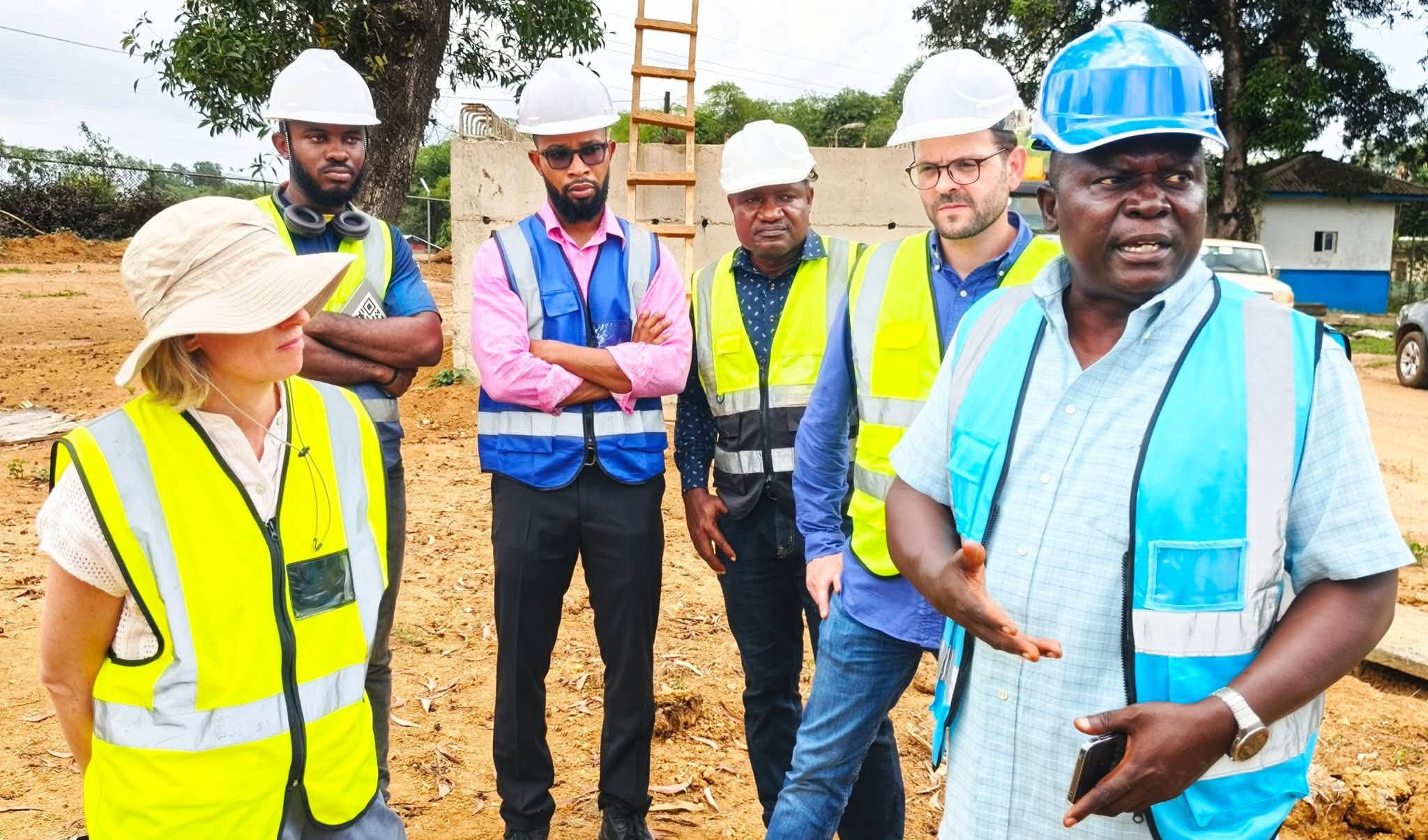
The Government of Liberia, through the Liberia Water and Sewer Corporation (LWSC), in collaboration with the World Bank and project contractors, has conducted a major technical assessment of the ongoing transmission pipeline construction project aimed at modernizing the country’s aging water infrastructure and expanding access to safe drinking water across Monrovia and surrounding communities.
The inspection tour, which covered the White Plains Water Treatment Plant and several active construction sites, focused on evaluating the quality of engineering works, implementation progress, and system performance, including the successful pressure testing of the newly installed 48-inch transmission pipeline, a key milestone in the ambitious water sector rehabilitation initiative.
Officials described the project as one of Liberia’s most important urban water infrastructure investments in decades, designed to replace portions of the deteriorating water transmission network that has suffered repeated breakdowns and service disruptions due to decades of aging infrastructure and underinvestment.
African Development Bank
The new 48-inch ductile iron transmission line is replacing the old 36-inch pipeline originally installed more than 70 years ago.
According to the Managing Director of the LWSC Mohammed Ali , the modernized system is expected to significantly improve water pressure, reduce leakages and ruptures, increase operational reliability, and strengthen the delivery of treated water from the White Plains Water Treatment Plant into Monrovia and adjacent urban communities.
He said the pipeline project forms part of the broader Liberia Urban Water Supply Program supported by the World Bank and other international development partners.
The initiative seeks to rehabilitate and expand Monrovia’s water distribution system while improving the operational efficiency of the LWSC. Earlier phases of the program received financing exceeding US$30 million from the World Bank to increase access to piped water services for tens of thousands of residents.
Development experts estimate that more than 1.5 million residents in Monrovia and Paynesville could ultimately benefit from the upgraded transmission system once fully completed.
The project is also expected to help stabilize water supply in densely populated communities where residents have historically relied on unsafe wells, water trucking, and informal water vendors.
Liberia’s water sector continues to face major infrastructure and service delivery challenges following years of civil conflict, rapid urbanization, and population growth.
Although the White Plains Water Treatment Plant has a designed treatment capacity of approximately 68,100 cubic meters per day, aging pipelines and recurring technical failures have constrained the consistent distribution of treated water to consumers.
The World Bank has previously noted that improving access to reliable and affordable clean water remains critical for public health, economic development, and poverty reduction in Liberia. Previous phases of the urban water supply initiative targeted more than 63,000 direct beneficiaries and financed new household connections, standpipes, and major network rehabilitation works across Greater Monrovia.
Infrastructure specialists say the successful pressure testing of the new transmission line represents a major engineering achievement and an important step toward commissioning the upgraded system. Once operational, the pipeline is expected to increase water conveyance capacity, improve supply stability, and reduce the frequency of outages that have long affected households and businesses in the capital.
The project also aligns with Liberia’s broader national development agenda aimed at strengthening urban infrastructure, improving sanitation and public health conditions, and enhancing resilience against future environmental and public health challenges.
Officials from the LWSC and international partners reaffirmed their commitment to ensuring that the project is completed according to international engineering and environmental standards, emphasizing that reliable access to safe drinking water remains a fundamental pillar of sustainable development in Liberia.
