By: Julius Konton
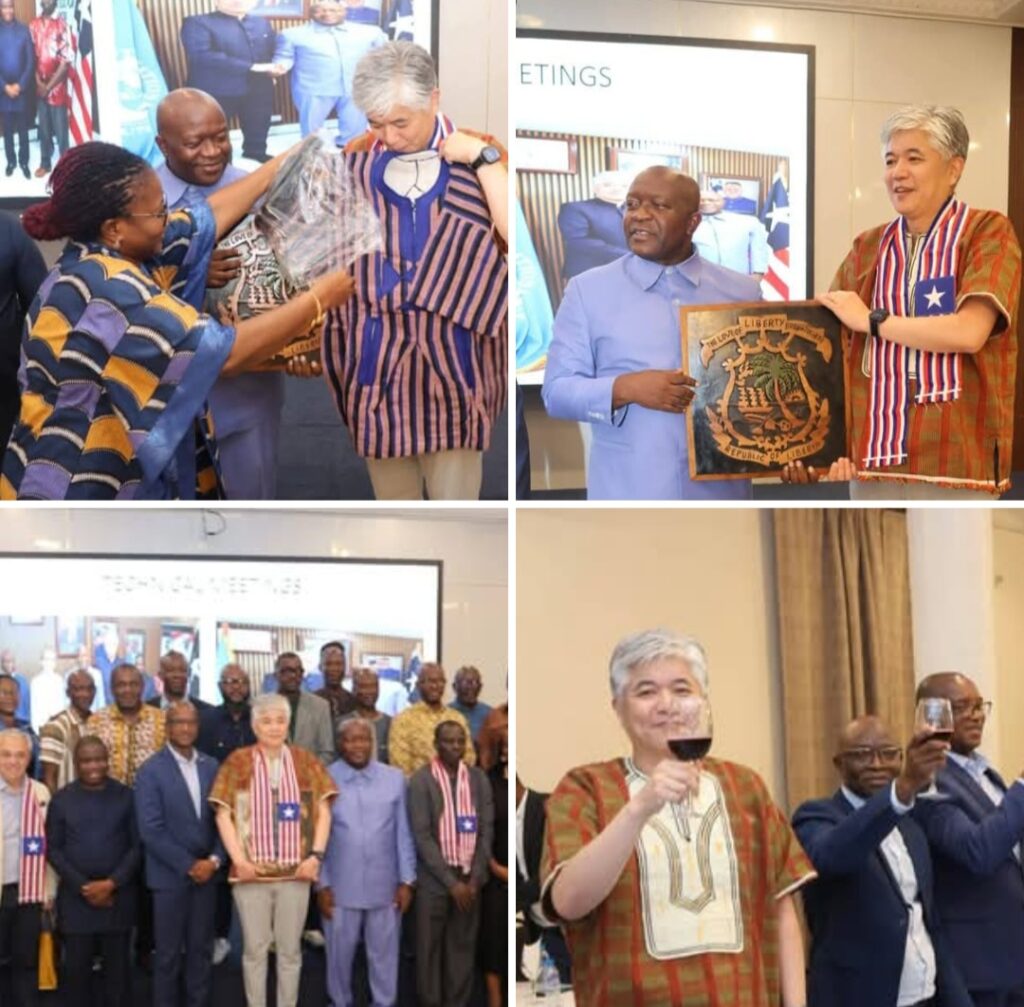
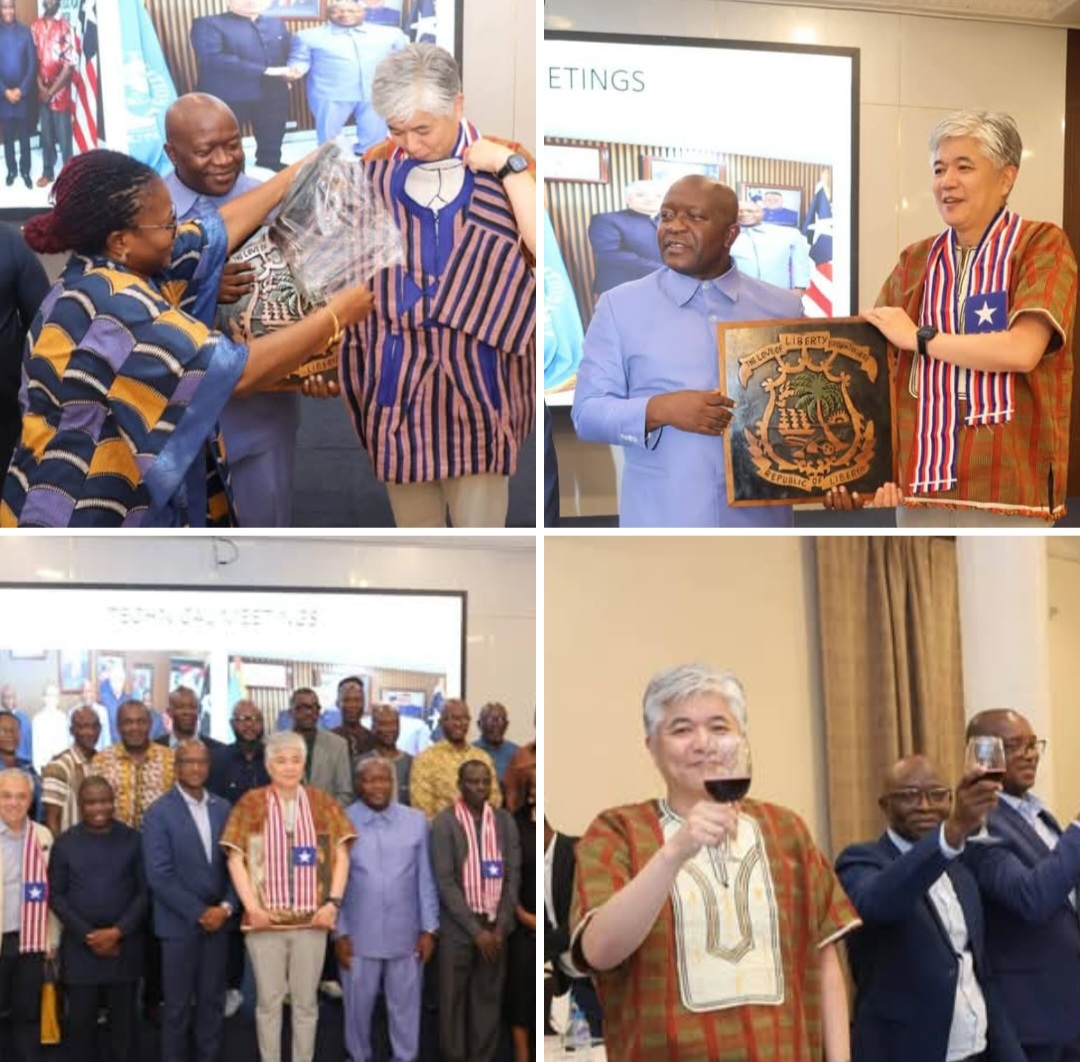
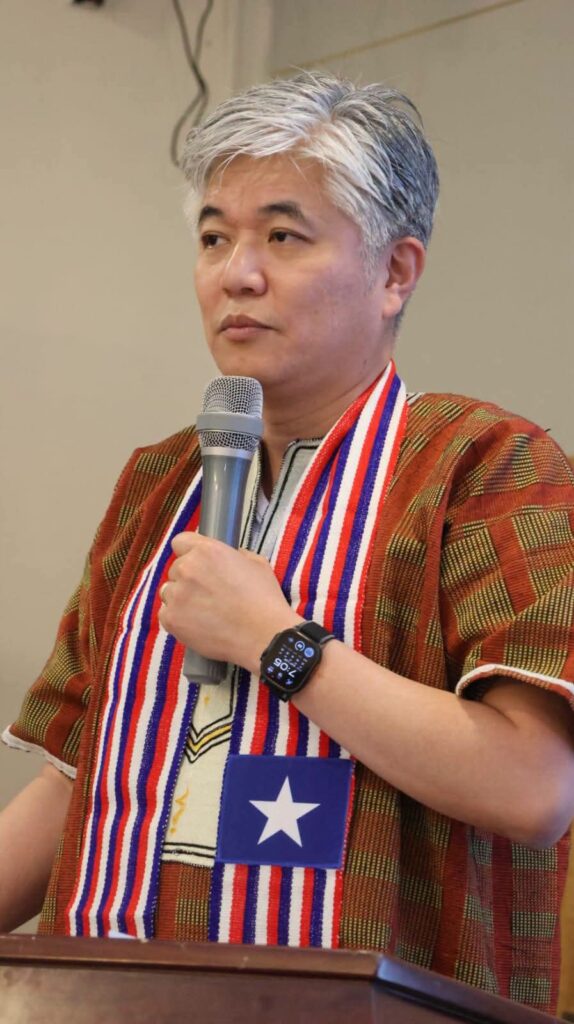
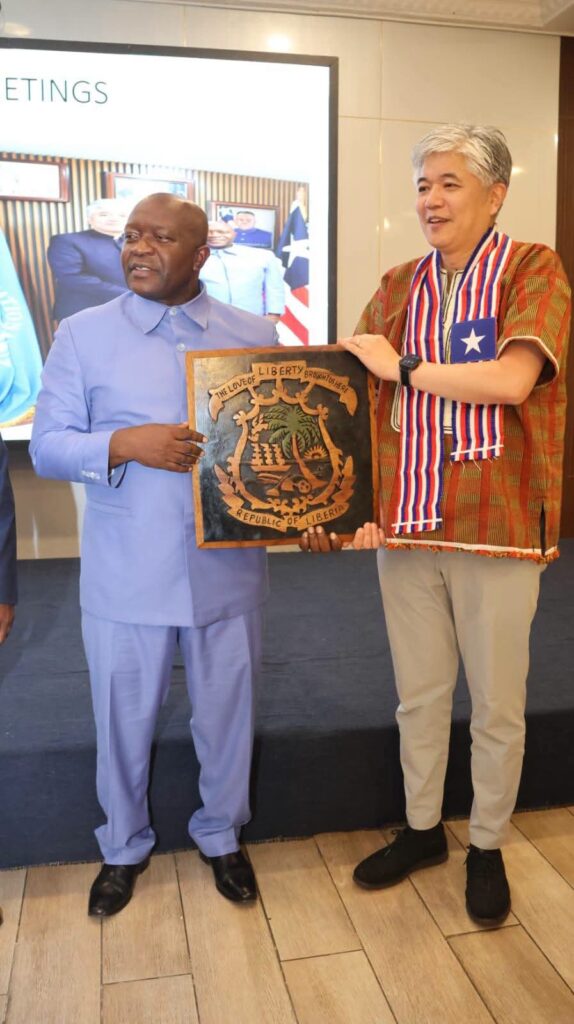
The Government of Liberia through Ministry of Finance and Development Planning (MFDP) hosted a high-level honoring and appreciation dinner for outgoing IMF Mission Chief Daehaeng Kim, recognizing his contributions to the country’s economic stabilization and reform agenda.
The ceremony, held in Monrovia, celebrated Kim’s role in guiding Liberia through one of its most economically challenging periods, including fiscal shocks, declining external aid flows, inflationary pressures, and post-pandemic recovery.
Liberia’s Finance and Development Planning Minister, , described Kim as “a great international servant” whose leadership and technical support helped Liberia secure critical IMF-backed financing and strengthen economic resilience.
“Kim, you have done well for this country. You have been an excellent international servant and a true world citizen. Wherever you go, Liberia goes with you. You are now our ambassador,” Ngafuan declared.
Key IMF Support: $266 Million Resilience Package
One of the landmark achievements under Kim’s stewardship was Liberia’s access to the IMF’s Extended Credit Facility (ECF) and the recently approved Resilience and Sustainability Facility (RSF) valued at US$266 million.
The financing package is expected to support Liberia’s macroeconomic stability, climate resilience, and structural reforms over the coming years.
The ECF remains one of the IMF’s most critical lending mechanisms for low-income countries, helping nations address balance-of-payment challenges while implementing long-term economic reforms.
Liberia’s economy has shown signs of recovery in recent years.
According to government and IMF projections, the country recorded an estimated 5.1% GDP growth in 2025, driven largely by mining, agriculture, and infrastructure expansion.
Inflation, which peaked above 12% in 2023, has gradually moderated as fiscal discipline and monetary tightening took effect.
IMF’s Role During Liberia’s Difficult Days
Minister Ngafuan reflected on the country’s difficult fiscal environment, particularly during the period when international development support declined sharply.
“We had tough starts and difficult days, and Kim was a tough negotiator,” Ngafuan admitted. “But IMF stood by Liberia during our hardest moments, offering practical advice when the nation needed it most.”
He referenced the period of uncertainty following the reduction of external donor inflows, particularly from major bilateral partners, which placed pressure on Liberia’s national budget and foreign exchange reserves.
Historically, Liberia has depended heavily on international financial institutions for economic recovery since the end of its civil conflict in 2003.
The IMF has remained central to Liberia’s reform journey, supporting debt relief under the Heavily Indebted Poor Countries (HIPC) Initiative in 2010 and subsequent governance reforms.
Signs of Progress
Ngafuan emphasized that despite persistent structural challenges, Liberia is now seeing visible signs of progress.
“People are beginning to feel the positive effects. We are expanding, we are constructing, and smiles are returning to the faces of our people,” he said.
Liberia’s current national budget for Fiscal Year 2026 stands at over US$1.29 billion, the largest in the nation’s history, reflecting increased domestic revenue mobilization and donor-backed development financing.
The government says investments in roads, energy, agriculture, and digital transformation are beginning to reshape the economy under President Joseph Nyuma Boakai’s ARREST Agenda for Inclusive Development.
Transition to New IMF Leadership
Ngafuan also welcomed Kim’s successor, expressing optimism for continuity in Liberia-IMF relations.
“I have the honor to welcome your successor. She is stepping into big shoes, and it is our duty to help her succeed,” he said.
The Minister reaffirmed Liberia’s commitment to transparency and reform, acknowledging historical trust deficits while promising a “new Liberia” committed to accountability.
“We still have mountains to climb and miles to trek, but we are not where we were yesterday. With strong partnerships like the IMF, our tomorrow will be better than today”,the Finance Ministry boss re-emphasized.
As Kim departs Liberia, his legacy is expected to remain deeply tied to the country’s economic recovery narrative, a period marked by hard negotiations, tough reforms, and renewed hope for sustainable growth.