
By: Julius Konton
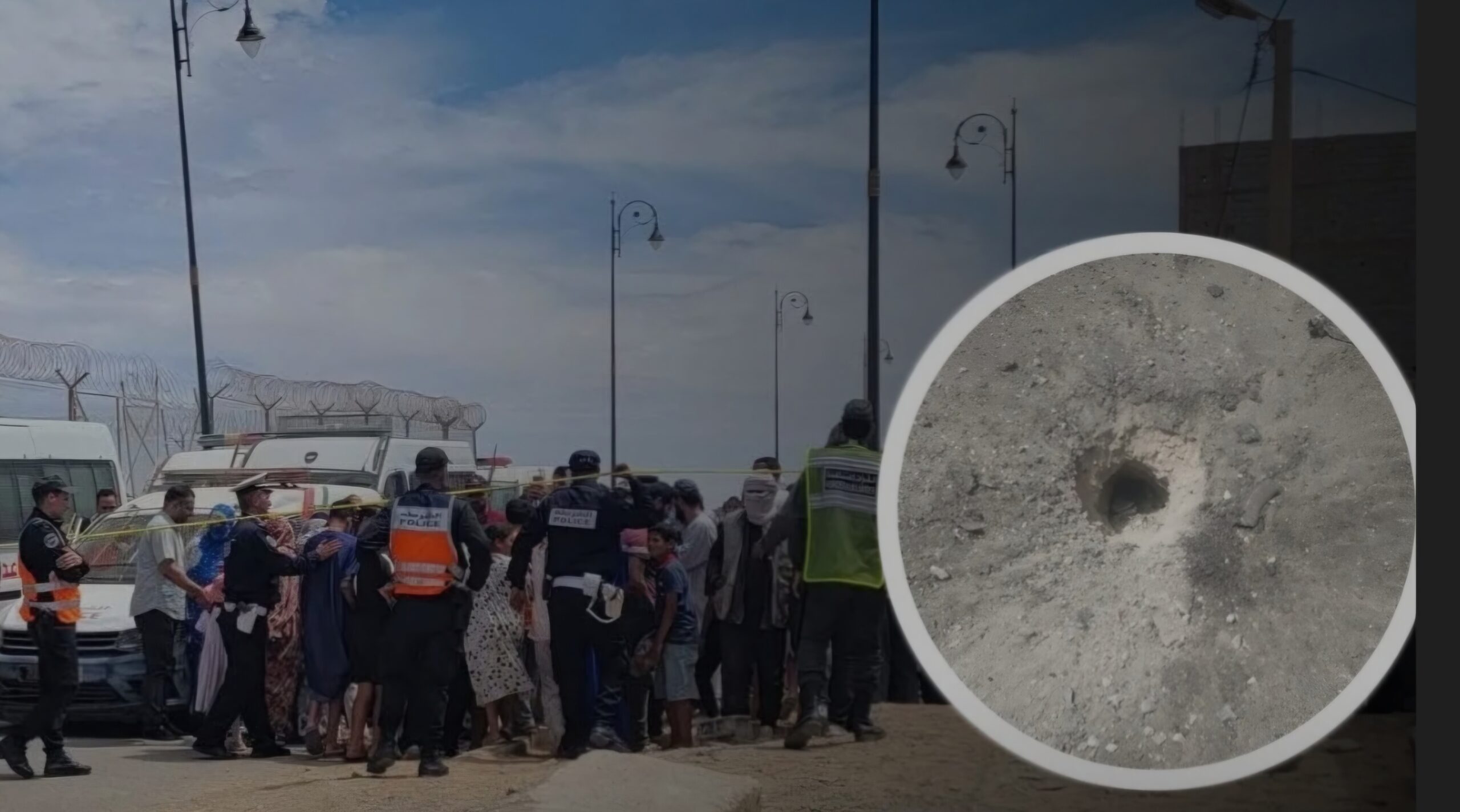
The separatist Polisario Front is facing mounting diplomatic isolation after its latest attack on the southern Moroccan city of Es-Smara, an escalation analysts say may have further weakened the group’s already declining international standing in the decades-long Western Sahara dispute.
The assault, which targeted the Moroccan-controlled city in the Sahara region, triggered swift condemnation from several countries, including Belgium, France, United Kingdom, United Arab Emirates, and the Czech Republic.
Many of those nations reiterated their support for Morocco’s autonomy initiative, increasingly viewed by major international actors as the most realistic and pragmatic solution to the conflict.
Observers say the attack appears to reflect a desperate attempt by the Polisario Front to revive international attention around a conflict that has steadily shifted in Morocco’s favor over the last several years.
A Strategy Repeating Old Failures
The latest escalation has drawn comparisons to the failed Polisario operation in Guerguerat in late 2020, when armed separatist elements blocked a vital commercial corridor linking Morocco to Mauritania and broader Sub-Saharan Africa.
At the time, the Polisario sought to provoke a forceful Moroccan military response that could generate global sympathy for its separatist agenda.
The group also aimed to demonstrate effective territorial control over the strategic crossing, hoping to disrupt Morocco’s growing economic integration with West and Sub-Saharan Africa.
However, Morocco’s intervention in Guerguerat rapidly dismantled the blockade with limited confrontation, while securing broad international support for maintaining free commercial movement through the corridor.
The operation proved to be a turning point in the geopolitical trajectory of the Western Sahara issue.
Just weeks later, the United States formally recognized Moroccan sovereignty over the Sahara in December 2020 under the administration of Donald Trump, a landmark diplomatic victory for Rabat.
That momentum continued when Spain officially endorsed Morocco’s autonomy initiative in 2022, describing it as the “most serious, realistic and credible” basis for resolving the dispute.
More recently, France reinforced Morocco’s position by deepening political support for Rabat’s sovereignty framework in the Sahara.
Morocco’s Expanding Diplomatic Gains
Morocco’s autonomy proposal, first introduced in 2007, offers the Sahara region self-governance under Moroccan sovereignty.
Over the past decade, the plan has gained increasing international traction.
According to Moroccan diplomatic figures, more than 30 countries have opened consulates in the cities of Laayoune and Dakhla, moves widely interpreted as de facto recognition of Morocco’s administration over the territory.
The dispute over Western Sahara dates back to 1975 following Spain’s withdrawal from the territory.
Since then, Morocco has controlled most of the region, while the Algeria-backed Polisario Front has sought independence through the self-proclaimed “Sahrawi Arab Democratic Republic.”
A 1991 United Nations-brokered ceasefire largely halted open warfare, though political negotiations have repeatedly stalled over disagreements concerning voter eligibility and the framework for self-determination.
Today, analysts argue that the diplomatic landscape has dramatically shifted.
Morocco has expanded infrastructure investments across the Sahara, including ports, highways, renewable energy projects, and trade corridors aimed at linking North and West Africa.
The Kingdom has invested billions of dollars in development initiatives in the region, with Dakhla increasingly positioned as a future Atlantic trade and logistics hub connecting Europe and Africa.
UN Resolution Tightens Pressure
The Polisario’s latest actions also come amid growing international emphasis on a political rather than military solution.
In October last year, the United Nations Security Council adopted Resolution 2797, renewing support for a “realistic, pragmatic, durable and compromise-based political solution” to the conflict.
Diplomatic observers note that the wording of recent UN resolutions increasingly aligns with Morocco’s autonomy framework while placing mounting pressure on separatist demands for full independence.
For many analysts, the attack on Es-Smara may therefore represent not a show of strength, but a sign of growing strategic frustration within Polisario ranks.
Rather than reviving support for the separatist cause, critics argue the assault risks reinforcing the perception among international partners that Morocco’s autonomy initiative remains the only viable path toward long-term stability, economic integration, and regional security in the Western Sahara region.
