



By: Julius Konton
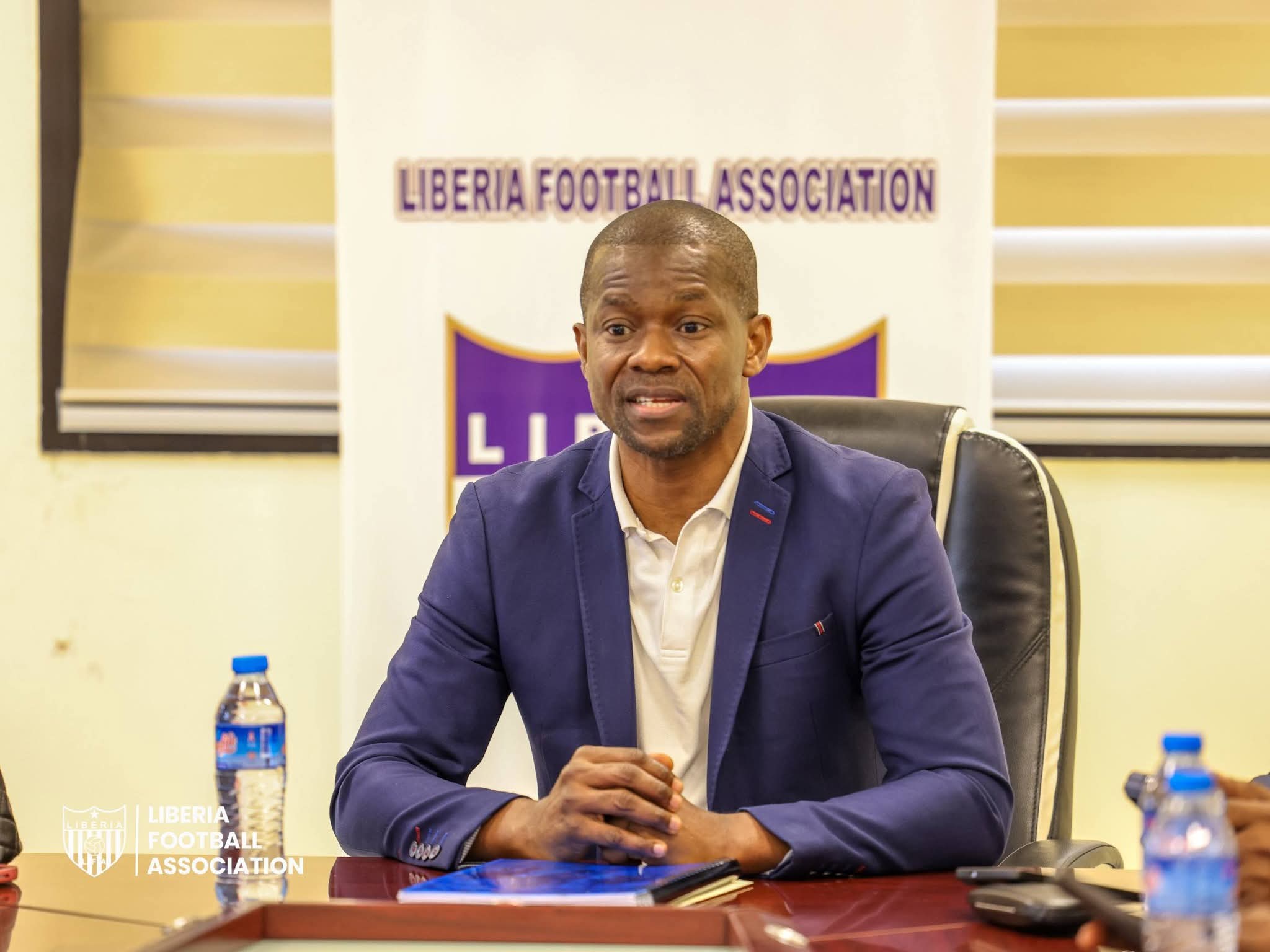
The race for the presidency of the Liberia Football Association (LFA) has taken a decisive turn, as a coalition of thirty clubs and football-related associations formally endorsed incumbent president Mustapha Raji for a third term ahead of the highly anticipated April 18, 2026 elections.
The endorsement, announced during a high-level stakeholders’ meeting on Monday, represents one of the largest organized declarations of support in recent LFA electoral history.
Analysts say the development could significantly tilt the balance of power in a contest that is shaping up to be both competitive and politically charged.
A Strategic Endorsement with Electoral Weight
The LFA Congress; the body responsible for electing the federation’s leadership is composed of representatives from top-tier clubs, regional associations, and specialized football bodies.
With each member wielding voting power, bloc endorsements such as this carry substantial influence.
Historically, coordinated backing from clubs and associations has proven decisive.
In previous elections, similar alliances have helped secure victory margins of over 60% of total votes, underscoring the importance of institutional loyalty in Liberian football politics.
If the current bloc holds, Raji could enter the April polls with a commanding advantage.
Raji’s Tenure: Reform, Growth, and Controversy
Since assuming office in 2018, Mustapha Raji’s leadership has been defined by a mix of reform initiatives and structural investments. Under his administration, Liberia has:
Expanded grassroots football programs, increasing youth participation by an estimated 25–30% nationwide
Strengthened women’s football, with the national women’s league seeing increased club participation and visibility
Attracted international support from global football bodies, including development funding from FIFA and CAF
Invested in infrastructure upgrades, including training facilities and regional pitches
Promoted decentralization, enabling football activities beyond Monrovia into counties such as Margibi, Nimba, and Grand Gedeh
Supporters argue these achievements justify continuity, particularly at a time when African football governance is under increasing scrutiny for transparency and accountability.
Why Stakeholders Are Backing Raji
In their joint declaration, the endorsing clubs and associations cited several reasons for their support:
Infrastructure Development: Expansion and rehabilitation of football facilities
Integrity and Governance: Efforts to improve administrative transparency
Grassroots & Youth Development: Increased access and participation at the community level
Women’s Football Growth: Rising investment and inclusion
Player Welfare: Enhanced focus on contracts, welfare, and career pathways
International Recognition: Improved engagement with global football institutions
Capacity Building: Training programs for coaches, referees, and administrators
A senior club executive at the meeting noted that “continuity is essential to consolidating gains already made and ensuring Liberia remains competitive within West African football.”
The Endorsing Bloc
The coalition includes a mix of top-flight clubs, grassroots teams, and football associations:
Paynesville FC, LISCR FC, Watanga FC, LPRC Oilers, Margibi FC, Gedeh FC, Gardnerville FC, Freeport FC, Downtown FC, Borough FC, Tap Tap FC, Discoveries FC, Earth Angels FC, Falconets FC, District 17 FC, Golden Dream FC, Real Muja FC, Wein Town FC, Blackman Warriors, Mighty Barrolle SA, Cece United FA, Ravia Angels FC, Bushrod Queens FC, Small Town FC, PAG FC, ISSA FC, alongside key associations including LIFRA (Coaches Association), LIFOCA, LONA, and LISMA.
Collectively, these entities represent a broad cross-section of Liberia’s football ecosystem from elite competition to grassroots development structures.
A Pivotal Election for Liberian Football
The upcoming April 18 election comes at a critical juncture.
Liberia, a nation with a proud football heritage that includes global icon George Weah, the only African Ballon d’Or winner continues to grapple with challenges such as limited infrastructure, funding constraints, and talent retention.
Despite these hurdles, the domestic league has shown signs of recovery, with increasing fan engagement and participation rates.
However, Liberia’s national teams have struggled to make significant impact in major continental tournaments, highlighting the need for sustained structural reform.
Opposition and the Road Ahead
While the endorsement strengthens Raji’s position, the race is far from settled.
Opposition figures are expected to challenge both his record and the concentration of institutional support, raising questions about inclusivity and competitive fairness.
Political tensions have already begun to surface in the lead-up to the elections, reflecting the high stakes involved in controlling the country’s football administration.
Continuity or Change?
As Liberia’s football community heads toward a decisive vote, the endorsement of thirty clubs and associations marks a critical moment in the electoral process.
Whether it signals an inevitable third term for Mustapha Raji or galvanizes opposition forces remains to be seen.
What is clear, however, is that the future direction of Liberian football from grassroots fields to international arenas will be shaped by the outcome of April 18.
For many stakeholders, the choice is framed simply: build on existing progress or chart a new course for the beautiful game in Liberia


