
By Julius Konton
Liberia’s Civil Service Agency (CSA) has renewed its commitment to merit-based governance and youth empowerment, calling for increased investment in Africa’s emerging generation of public sector leaders during the 2026 Emerging Public Leaders (EPL) Alumni Gathering.
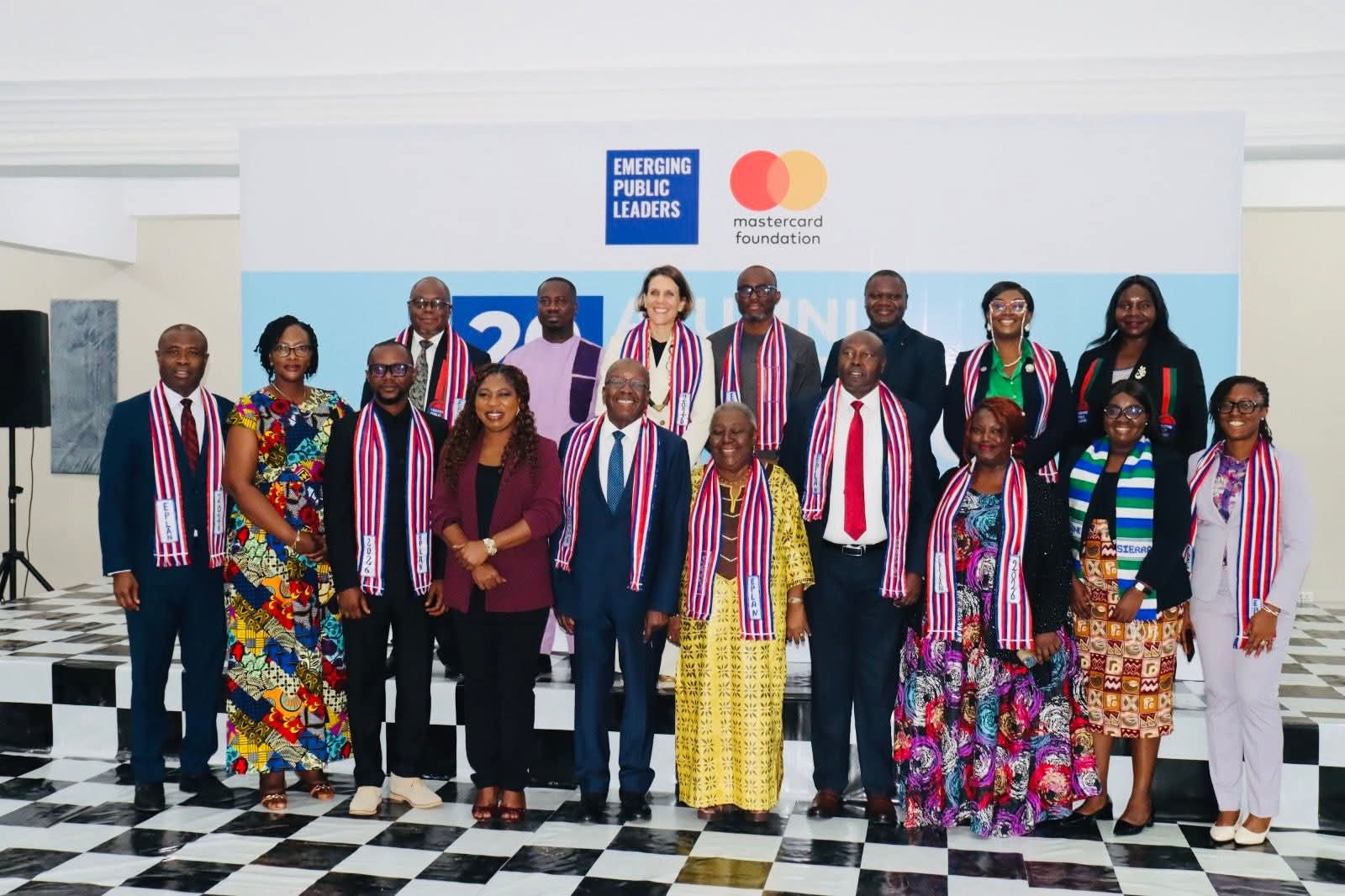
The high-level regional event, organized by Liberia’s President’s Young Professionals Program (PYPP), convened government officials, development practitioners, policy experts, and young leaders from across the continent at the Royal Ambassador Hotel in Lower Margibi County under the theme: “From Learning to Leadership: Young Public Servants Scaling Youth Transitions and Inclusive Growth.”
The two-day gathering brought together alumni of the Emerging Public Leaders Initiative from Liberia, Ghana, Kenya, Malawi, and Sierra Leone, creating a platform for collaboration, knowledge sharing, and dialogue on strengthening governance systems and accelerating youth-driven development across Africa.
Building Africa’s Future Through Meritocracy
Representing CSA Director-General and Chairperson of the PYPP Board, Dr. Josiah F. Joekai Jr., was the Agency’s Deputy Director-General for Administration and Finance, Dahnu Mianyen, who currently serves as Acting Director-General.
Addressing participants, Mr. Mianyen emphasized that Africa’s future prosperity depends on cultivating a generation of competent, ethical, and visionary leaders capable of transforming public institutions and delivering results for citizens.
“Leadership does not happen by accident. It is cultivated, mentored, practiced, and strengthened through deliberate investment in people,” Mianyen told delegates.
He stressed that programs such as the President’s Young Professionals Program and the Emerging Public Leaders Initiative have become essential vehicles for nurturing leadership excellence, promoting professional development, and advancing public sector reforms.
Drawing from his own journey as a PYPP alumnus, Mianyen encouraged young professionals to uphold the principles of professionalism, integrity, transparency, accountability, humility, and service above self-interest.
He further challenged participants to reject corruption and complacency while embracing innovation, excellence, and ethical leadership as cornerstones for national development.
A Continental Platform for Leadership Development
The Emerging Public Leaders Initiative was established in 2016 as an expansion of Liberia’s successful President’s Young Professionals Program, which was launched in 2012.
The initiative was designed to strengthen public institutions by identifying and training exceptional young professionals for leadership positions within government ministries, agencies, and commissions.
Over the years, the EPL model has expanded beyond Liberia’s borders, creating a growing network of highly skilled public servants across several African countries.
According to governance experts, Africa possesses one of the world’s youngest populations, with approximately 70 percent of Sub-Saharan Africa’s population under the age of 30, making youth leadership development a strategic necessity for sustainable development and democratic governance.
The continent is expected to account for nearly one-quarter of the world’s workforce by 2050, underscoring the importance of preparing capable young leaders to manage increasingly complex public institutions and economic systems.
Ambassador Kamara Challenges Youth to Lead with Integrity
Delivering the keynote address, former Liberian Minister of Foreign Affairs Ambassador Marjon V. Kamara challenged participants to embrace discipline, lifelong learning, multilingual competence, and institutional responsibility.
She emphasized that effective leadership requires not only technical expertise but also strong ethical values and a commitment to public service.
Kamara urged young African professionals to remain intellectually independent, engage critically with emerging technologies, and champion inclusive governance that addresses the needs of marginalized communities.
She further highlighted the importance of regional cooperation, noting that many of Africa’s development challenges including unemployment, climate change, migration, food insecurity, and governance deficits require collaborative solutions that transcend national borders.
Strengthening Institutions for Inclusive Growth
The 2026 Alumni Gathering builds upon previous EPL engagements by fostering networks among young leaders committed to improving governance and public service delivery.
Participants engaged in strategic discussions focused on institutional reform, leadership development, governance innovation, public sector modernization, and inclusive economic growth.
The event also featured cultural performances, solidarity messages, spoken-word presentations, and networking sessions designed to strengthen ties among emerging leaders from different countries and professional backgrounds.
Development experts have consistently identified strong institutions, transparent governance, and merit-based recruitment as critical drivers of national development.
Studies by international organizations indicate that countries with effective public institutions generally experience higher economic growth rates, improved service delivery, and stronger citizen trust in government.
Liberia’s Commitment to Public Sector Excellence
As Liberia continues implementing reforms aimed at modernizing its public service sector, the Civil Service Agency says it remains committed to promoting meritocracy, professionalism, and accountability throughout government institutions.
Officials say initiatives such as PYPP and EPL are helping build a new generation of leaders equipped to address contemporary governance challenges while advancing national development goals.
The Agency reaffirmed its dedication to creating opportunities for talented young Liberians and Africans to contribute meaningfully to institutional transformation, democratic governance, and sustainable development.
As Africa navigates an increasingly complex global environment, participants at the gathering agreed that investing in young leaders today will be essential to building resilient institutions and achieving inclusive growth across the continent in the decades ahead.
