
By: Julius Konton
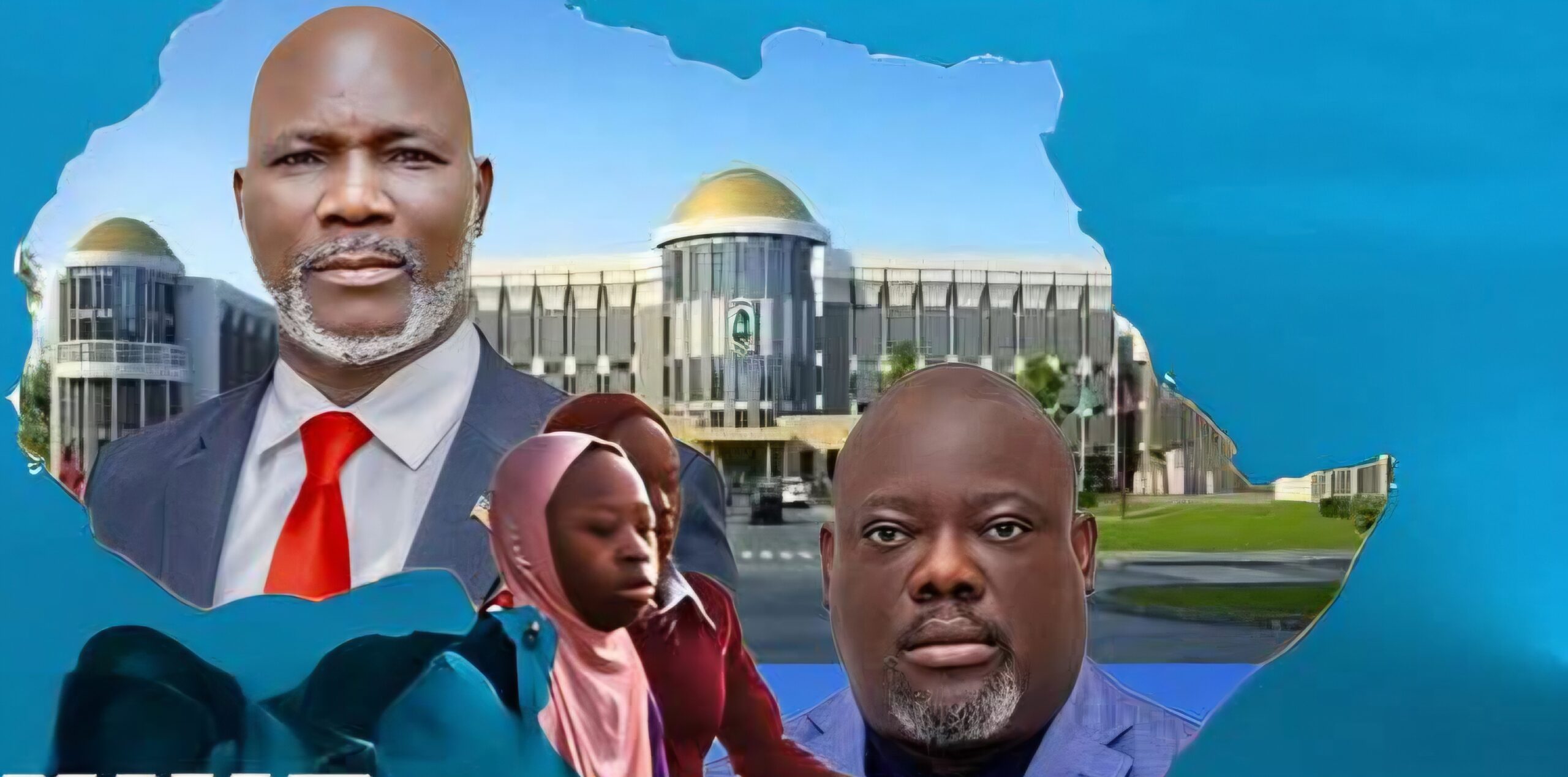
Liberia’s House of Representatives has renewed its commitment to strengthening child welfare policies and improving access to education, healthcare, and child protection, as the country joined the rest of Africa in commemorating the Day of the African Child.
In a national message delivered Tuesday, House Speaker Richard Nagbe Koon, on behalf of the 55th Legislature, called on Liberians to prioritize the rights and well-being of children, emphasizing that national development hinges on how governments invest in younger generations.
The Day of the African Child, observed annually on June 16, commemorates the 1976 Soweto Uprising in South Africa, where thousands of black schoolchildren protested against apartheid’s inferior education system.
Historical records indicate that more than 20,000 students took to the streets, with hundreds reportedly killed or injured by apartheid security forces.
The event remains one of Africa’s most powerful symbols of resistance against systemic injustice and educational inequality.
Speaker Koon said Liberia must draw lessons from that history.
“The struggle of the children of Soweto remains a timeless reminder of the importance of protecting and empowering every African child,” he said.
His remarks come at a time when Liberia continues to face serious child welfare challenges despite notable progress in education and health.
According to UNICEF Liberia, approximately 1.5 million children nearly half of Liberia’s population of 5.6 million remain vulnerable to poverty, child labor, exploitation, and limited access to quality education.
National education data also show that while primary school enrollment has improved over the last decade, dropout rates remain troublingly high, particularly among girls in rural communities.
Liberia’s Ministry of Education reports that the national literacy rate among children aged 10–18 remains below 60%, while the World Bank estimates that nearly 32% of Liberian children are engaged in some form of child labor, particularly in agriculture, mining, and street trading.
Child protection advocates say the country continues to battle issues such as teenage pregnancy, sexual violence, child trafficking, and early marriage, factors that undermine progress toward achieving Sustainable Development Goal 4 (Quality Education) and Goal 16 (Peace, Justice, and Strong Institutions).
In his statement, Speaker Koon reaffirmed the Legislature’s support for laws aimed at improving child protection frameworks, ensuring equal access to education, and expanding healthcare services.
The House of Representatives, he said, remains committed to enacting and reviewing policies that address discrimination against children based on gender, disability, or socioeconomic background.
Political analysts note that Liberia allocates nearly 13–15% of its national budget to education annually, below the 20% benchmark recommended by UNESCO for developing countries.
Advocates argue that increasing budgetary support for schools, teacher training, and child-centered health services will be critical if Liberia hopes to improve outcomes.
The Speaker also issued a broader appeal to parents, teachers, religious leaders, and international development partners to intensify efforts against child abuse, neglect, and violence.
“The responsibility of protecting our children cannot rest with government alone. It requires collective action from every sector of society,” he stressed.
To Liberia’s children, the Speaker delivered a message of hope and discipline, urging them to remain committed to education and moral values.
“You are Liberia’s future leaders, innovators, and nation-builders. Stay focused and work hard to achieve your dreams,” he re-emphasized .
Across Africa, this year’s observance comes amid renewed debate over education inequality, child labor, and the impact of conflict and economic hardship on children.
The African Union estimates that over 98 million African children remain out of school, making child-centered policy reforms one of the continent’s most urgent development priorities.
For Liberia, the Day of the African Child is more than symbolic, it is a call to action.
As the nation grapples with rebuilding institutions and strengthening social services, lawmakers say the future stability and prosperity of the country will largely depend on the protection, education, and empowerment of its youngest citizens.
