
By: Julius Konton
In a significant move aimed at strengthening Liberia’s healthcare system and accelerating progress toward universal health coverage, the House of Representatives has endorsed a Joint Committee report recommending the establishment of the Liberia Primary Health Care and Immunization Caucus (LIPIC), a specialized legislative body dedicated to advancing healthcare delivery, immunization coverage, and sustainable health financing across the country.
The decision followed the presentation and adoption of a comprehensive report by the House Joint Committee, which examined the legal, fiscal, policy, and institutional implications of creating a legislative caucus focused exclusively on primary healthcare and immunization programs.
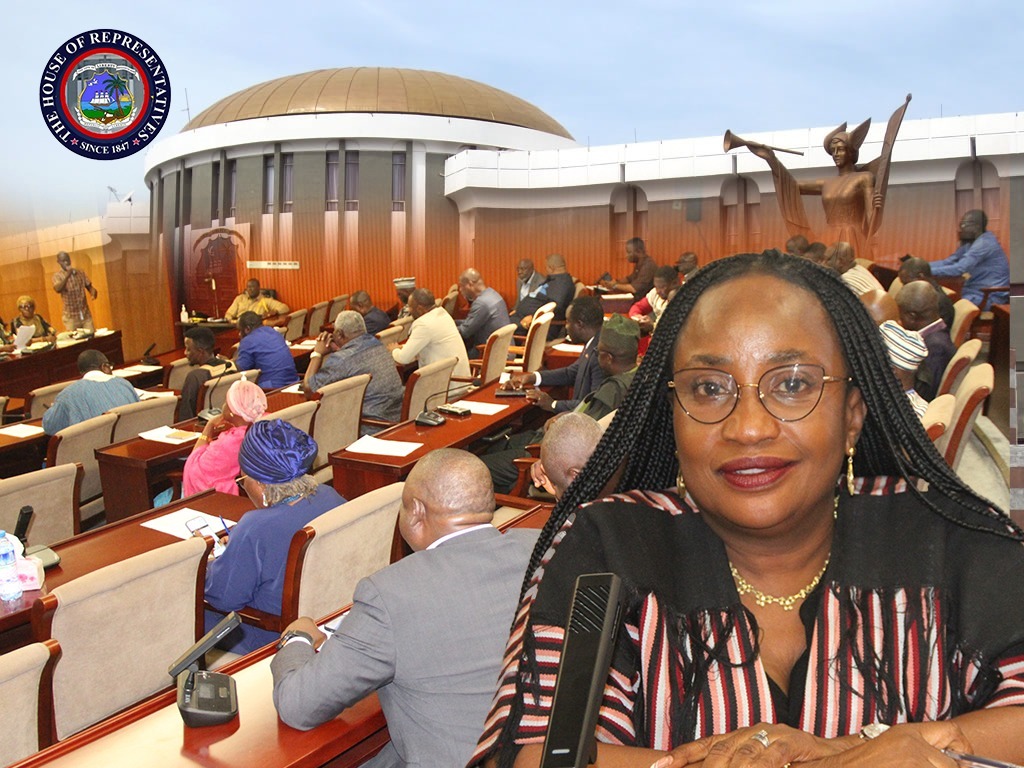
The initiative was introduced by Lofa County Electoral District #2 Representative Julie F. Wiah, whose proposal seeks to provide stronger parliamentary oversight and advocacy for one of Liberia’s most critical development sectors.
Strengthening Liberia’s Health System
Health experts have long emphasized that primary healthcare serves as the foundation of effective national health systems.
According to the World Health Organization (WHO), strong primary healthcare systems can address up to 90 percent of an individual’s lifetime health needs and significantly reduce preventable illnesses and deaths.
Liberia’s healthcare sector has undergone extensive reforms since the devastating 2014–2016 Ebola Virus Disease outbreak, which exposed critical weaknesses in the country’s health infrastructure and resulted in the deaths of more than 4,800 people nationwide. Since then, the government and international partners have invested heavily in rebuilding health facilities, expanding immunization programs, and strengthening disease surveillance systems.
Despite these gains, challenges remain.
Access to quality healthcare services continues to be uneven, particularly in rural communities, while financing gaps, workforce shortages, and logistical constraints continue to affect service delivery.
The proposed caucus is expected to serve as a dedicated legislative platform for addressing these challenges through evidence-based policymaking, enhanced oversight, and advocacy for increased investments in healthcare.
Unanimous Committee Recommendation
In its report, the Joint Committee unanimously recommended that the House formally establish the Liberia Primary Health Care and Immunization Caucus.
According to the Committee, the caucus will function as a specialized parliamentary mechanism responsible for:
Strengthening legislative oversight of healthcare programs;
Advocating for increased domestic health financing;
Supporting policy development and health sector reforms;
Promoting equitable access to quality healthcare services;
Enhancing immunization coverage nationwide; and
Mobilizing support for sustainable public health interventions.
The Committee further emphasized that the caucus should incorporate a strong gender-responsive framework to ensure that health policies effectively address the unique needs of women, children, adolescents, persons with disabilities, and other vulnerable populations.
Roadmap for Sustainable Health Financing
A key recommendation contained in the report calls for the caucus to develop a Primary Health Care and Immunization Financing Roadmap Framework within twelve months of its establishment.
The framework would be developed in collaboration with the:
Ministry of Health;
Ministry of Finance and Development Planning; and Ministry of Gender, Children and Social Protection.
The roadmap is expected to identify innovative financing mechanisms, strengthen budgetary allocations, improve resource mobilization, and establish long-term strategies for sustaining critical healthcare services.
Public health analysts note that sustainable financing remains one of the most pressing challenges facing healthcare systems throughout Africa.
The African Union’s Abuja Declaration recommends that member states allocate at least 15 percent of national budgets to health. However, many countries, including Liberia, continue to struggle to meet this benchmark.
Proposed Primary Health Care and Immunization Trust Fund
One of the most ambitious recommendations contained in the report is the creation of a Primary Health Care and Immunization Trust Fund (PITF).
The Committee proposes that the caucus draft and submit legislation within one year to establish the trust fund as a dedicated and ring-fenced financing mechanism designed to support essential healthcare services nationwide.
If approved, the trust fund would help ensure predictable and sustainable funding for immunization programs, maternal and child health services, disease prevention initiatives, and community-based healthcare interventions.
Health financing experts have increasingly advocated for such dedicated funding mechanisms as governments worldwide confront declining donor assistance and growing healthcare demands.
Next Legislative Steps
The report recommends that following the House’s endorsement of the Joint Resolution, the Chief Clerk transmit enrolled copies to the Liberian Senate for concurrent consideration and approval, as the measure requires bicameral legislative endorsement before it can take effect.
Upon passage by both chambers of the Legislature, the Speaker of the House of Representatives and the President Pro Tempore of the Senate would be required to formally establish the caucus within sixty days.
The process would include:
Appointment of caucus leadership;
Selection of members from both legislative chambers;
Inclusion of representatives from gender-focused legislative committees;
Establishment of a Technical Secretariat; and Adoption of operational guidelines and internal procedures.
The caucus would also be required to submit its first bi-annual report to the Legislature within six months of its establishment and continue reporting every six months thereafter.
Supporting Liberia’s Public Health Goals
The creation of the Liberia Primary Health Care and Immunization Caucus comes at a time when governments around the world are intensifying efforts to strengthen healthcare systems following lessons learned from the COVID-19 pandemic and other public health emergencies.
According to global health data, immunization programs save an estimated 4 to 5 million lives annually worldwide by preventing diseases such as measles, polio, tetanus, diphtheria, and whooping cough.
Liberian lawmakers believe the proposed caucus will help improve accountability in healthcare spending, strengthen legislative engagement in health governance, increase immunization coverage, and expand access to quality healthcare services for millions of citizens.
The House of Representatives reaffirmed its commitment to supporting policies and reforms that improve healthcare delivery, strengthen public health systems, and enhance the overall well-being of all Liberians.
Observers view the initiative as a potentially transformative step toward building a more resilient, equitable, and sustainably financed healthcare system capable of meeting Liberia’s long-term development and public health goals.
