



By: Julius Konton
Liberia has taken another significant step toward strengthening fiscal governance and modernizing its public finance architecture with the official launch of the Tax Expenditure Management Act of 2025, a landmark piece of legislation designed to improve transparency, accountability, and oversight in the administration of tax incentives.
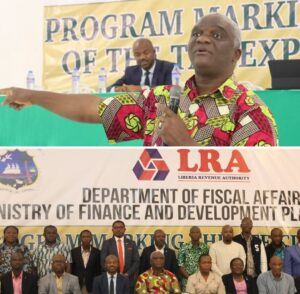
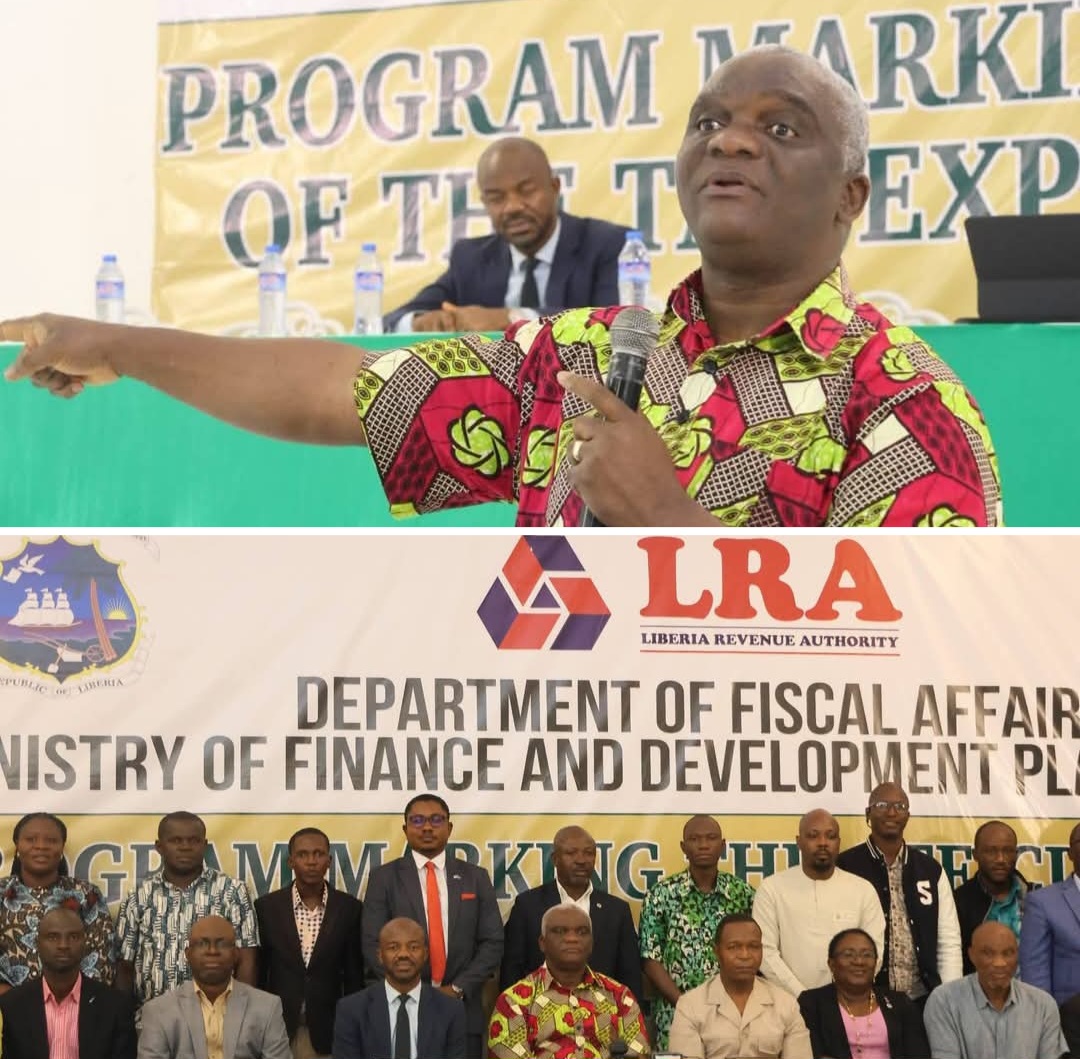
Speaking during the second day of the Act’s official launch at Paynesville City Hall, James Dorbor Jallah, Commissioner General of the Liberia Revenue Authority (LRA), praised the Ministry of Finance and Development Planning (MFDP) for spearheading what he described as one of the country’s most consequential fiscal reforms in recent years.
The Tax Expenditure Management Act establishes, for the first time in Liberia’s history, a comprehensive legal framework governing the application, approval, registration, administration, monitoring, evaluation, and public reporting of tax expenditures including tax exemptions, incentives, waivers, deductions, credits, and other forms of fiscal concessions granted to businesses and investors.
According to Commissioner General Jallah, the legislation represents a major breakthrough in ensuring that tax incentives are no longer granted without measurable economic returns and strategic alignment with Liberia’s long-term development agenda.
“The Tax Expenditure Management Act will ensure that tax relief measures are rigorously evaluated and aligned with our national development priorities while simultaneously safeguarding government revenue,” Commissioner General Jallah declared.
Tax expenditures often referred to as “hidden government spending” through the tax system represent substantial foregone public revenue in many developing economies.
According to international financial institutions, poorly managed tax incentives can cost countries between 2 and 6 percent of Gross Domestic Product (GDP) annually, reducing governments’ capacity to finance education, healthcare, infrastructure, agriculture, and social protection.
Liberia has, in recent years, intensified efforts to broaden its domestic revenue base as part of the government’s ARREST Agenda for Inclusive Development (AAID).
The country has also undertaken a series of public financial management reforms aimed at reducing fiscal leakages, improving tax compliance, and strengthening institutional accountability.
Commissioner General Jallah emphasized that the new legislation will significantly enhance cooperation between the Liberia Revenue Authority and the Ministry of Finance and Development Planning by introducing a standardized system for assessing the costs and benefits of tax incentives before and after they are granted.
“This Act provides a strong foundation for evidence-based policymaking and improved domestic revenue mobilization,” he said.
“Every tax incentive must demonstrate clear economic value, support national priorities, and produce measurable social and developmental benefits.”
The LRA Commissioner General noted that beyond protecting government revenue, the legislation is expected to improve Liberia’s investment climate by creating greater predictability, fairness, and transparency in the granting of tax incentives.
Economic analysts have long argued that transparent tax incentive regimes enhance investor confidence by replacing discretionary decision-making with clearly defined legal procedures.
The new law seeks to ensure that fiscal incentives support sectors capable of generating employment, expanding productive investments, promoting exports, and accelerating sustainable economic growth.
Commissioner General Jallah further stated that the Act will strengthen fiscal discipline while reinforcing public confidence in Liberia’s tax administration system.
“The launch of this Act represents a crucial milestone in our collective efforts to strengthen public financial management, improve tax administration, and build a more transparent, accountable, and sustainable fiscal environment,” he said.
The Commissioner General extended appreciation to the Government of Liberia, particularly the Ministry of Finance and Development Planning, for leading the reform initiative.
He also recognized President Joseph Nyuma Boakai Sr. and the National Legislature for supporting the enactment of the law, describing their commitment as essential to advancing Liberia’s fiscal modernization agenda.
He called on government institutions, development partners, the private sector, and all financial stakeholders to ensure the law is implemented transparently, consistently, and professionally.
“For Liberia to strengthen investor confidence, improve fiscal transparency, expand domestic revenue mobilization, and ensure that tax incentives strategically support the government’s development priorities under the ARREST Agenda for Inclusive Development, every stakeholder must play their part,” Commissioner General Jallah concluded.
The launch of the Tax Expenditure Management Act comes as Liberia continues implementing wide-ranging economic reforms aimed at increasing public revenue, strengthening budget credibility, and enhancing fiscal sustainability.
The reform aligns with international best practices promoted by institutions such as the International Monetary Fund (IMF), World Bank, and the Organisation for Economic Co-operation and Development (OECD), all of which encourage governments to regularly evaluate tax expenditures to ensure they deliver measurable economic returns.
With stronger legal oversight, systematic monitoring, and improved transparency, policymakers believe the new legislation will help Liberia maximize the impact of tax incentives, reduce unnecessary revenue losses, and create a more efficient and equitable tax system capable of supporting inclusive economic growth and long-term national development.


