





By: Julius Konton
The Government of Liberia has taken another significant step toward strengthening fiscal governance and improving domestic revenue mobilization with the official launch of the Tax Expenditure Management Act of 2025, a landmark legislation designed to bring greater transparency, accountability, and efficiency to the country’s tax incentive regime.
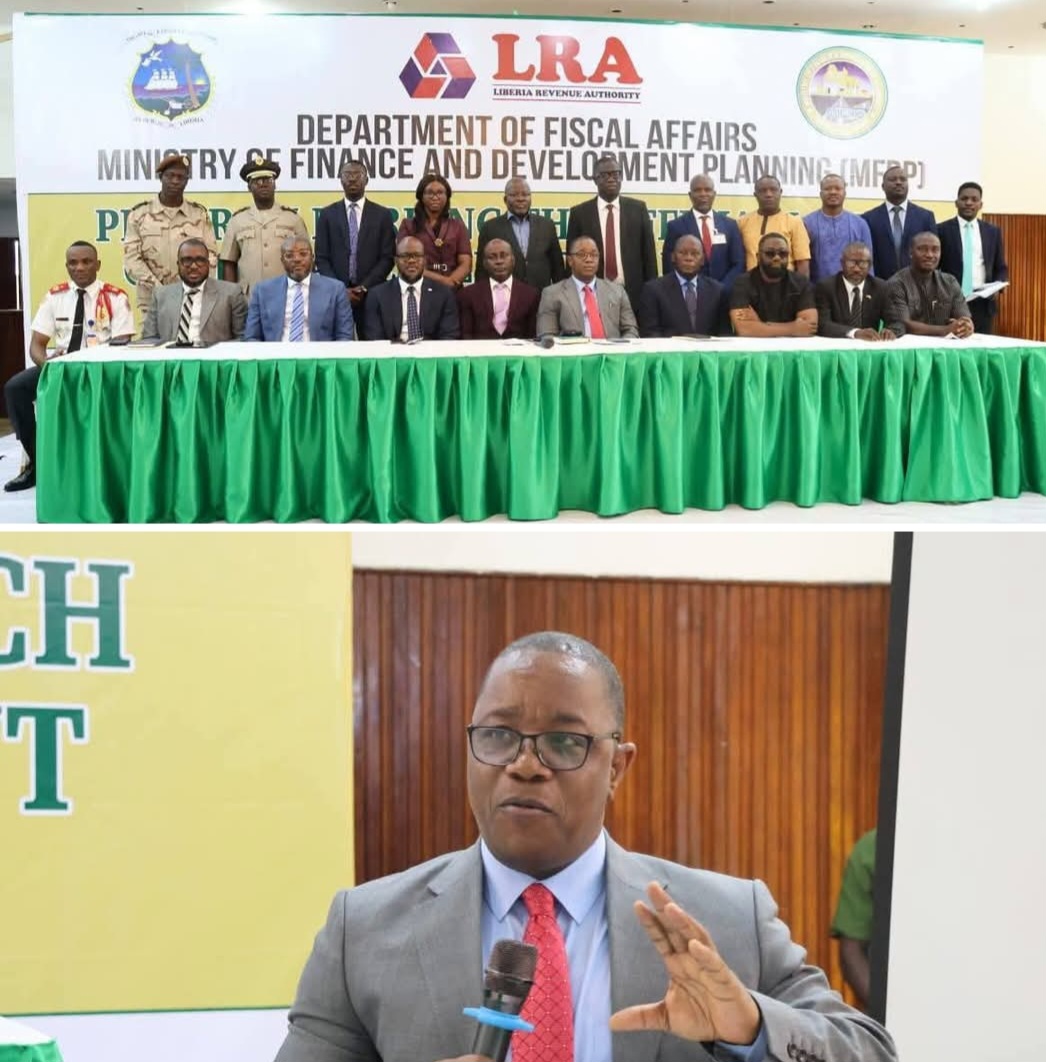
The launch ceremony, held at the historic Monrovia City Hall, was led by the Ministry of Finance and Development Planning (MFDP) and attended by senior government officials, legislators, development partners, policymakers, and representatives of the private sector.
The legislation establishes Liberia’s first comprehensive legal framework governing the identification, approval, administration, monitoring, evaluation, reporting, and registration of tax expenditures, including tax exemptions, deductions, credits, waivers, and other fiscal incentives granted to businesses and individuals.
Speaking on behalf of the Government, Deputy Minister for Fiscal Affairs and Acting Minister of Finance and Development Planning, Anthony G. Myers, described the enactment and launch of the law as a transformative milestone in Liberia’s ongoing public financial management reforms.
“This legislation represents a major advancement in our efforts to modernize Liberia’s tax administration system and ensure that every tax incentive granted contributes meaningfully to national economic growth while protecting public resources,” Minister Myers declared.
He emphasized that tax expenditure government revenue foregone through exemptions and incentives must be carefully managed to ensure they generate measurable economic returns, including increased investment, job creation, industrial development, technology transfer, and broader economic diversification.
According to the Ministry, the Act introduces an institutional framework requiring regular measurement, public reporting, and continuous assessment of tax incentives to determine whether they deliver value for money and remain aligned with Liberia’s national development objectives.
The reform comes at a time when governments across Africa are increasingly reviewing tax incentive policies amid growing concerns over revenue leakages.
According to estimates by international financial institutions, developing countries lose billions of dollars annually through poorly targeted or inadequately monitored tax incentives.
Experts argue that stronger oversight can significantly improve domestic resource mobilization while preserving an attractive investment climate.
Liberia has in recent years intensified efforts to strengthen fiscal discipline through comprehensive public financial management reforms aimed at reducing dependence on external financing, broadening the domestic tax base, and improving budget credibility.
The country’s economic reform agenda also aligns with international best practices promoted by organizations including the International Monetary Fund (IMF), the World Bank, and the Organisation for Economic Co-operation and Development (OECD), all of which advocate greater transparency in tax expenditure reporting.
Minister Myers noted that the Tax Expenditure Management Act forms part of a broader package of fiscal reforms being implemented under President Joseph Nyuma Boakai’s ARREST Agenda for Inclusive Development (AAID), which prioritizes economic transformation, good governance, institutional accountability, and sustainable domestic revenue generation.
He praised President Boakai and the National Legislature for providing the leadership necessary to enact the landmark legislation, describing it as one of Liberia’s most significant fiscal governance reforms in recent years.
“The successful implementation of this law will improve investor confidence, strengthen fiscal transparency, support evidence-based policymaking, and ensure that tax incentives are granted strategically to sectors capable of generating sustainable economic growth,” Myers stated.
He further urged all public institutions responsible for administering tax incentives to work collaboratively to ensure the law is implemented effectively and consistently across government.
The launch attracted senior representatives from the Liberia Revenue Authority (LRA), the National Investment Commission (NIC), the National Legislature, and several key ministries, including Mines and Energy, Commerce and Industry, Agriculture, Public Works, State Without Portfolio, and the Ministry of State for Presidential Affairs, among others.
Economic analysts say the implementation of the Tax Expenditure Management Act could significantly enhance Liberia’s fiscal transparency by enabling policymakers and citizens alike to better understand the true cost and impact of tax incentives on government revenues.
As Liberia continues pursuing economic recovery and sustainable development, the Government believes the new law will help ensure that fiscal incentives remain strategic policy tools that stimulate investment, create employment opportunities, encourage private-sector growth, and maximize value for taxpayers while safeguarding the country’s limited public resources.
The launch of the Tax Expenditure Management Act of 2025 underscores Liberia’s growing commitment to strengthening economic governance, promoting responsible fiscal management, and building a transparent, rules-based tax system capable of supporting long-term national development.


