


By: Julius Konton
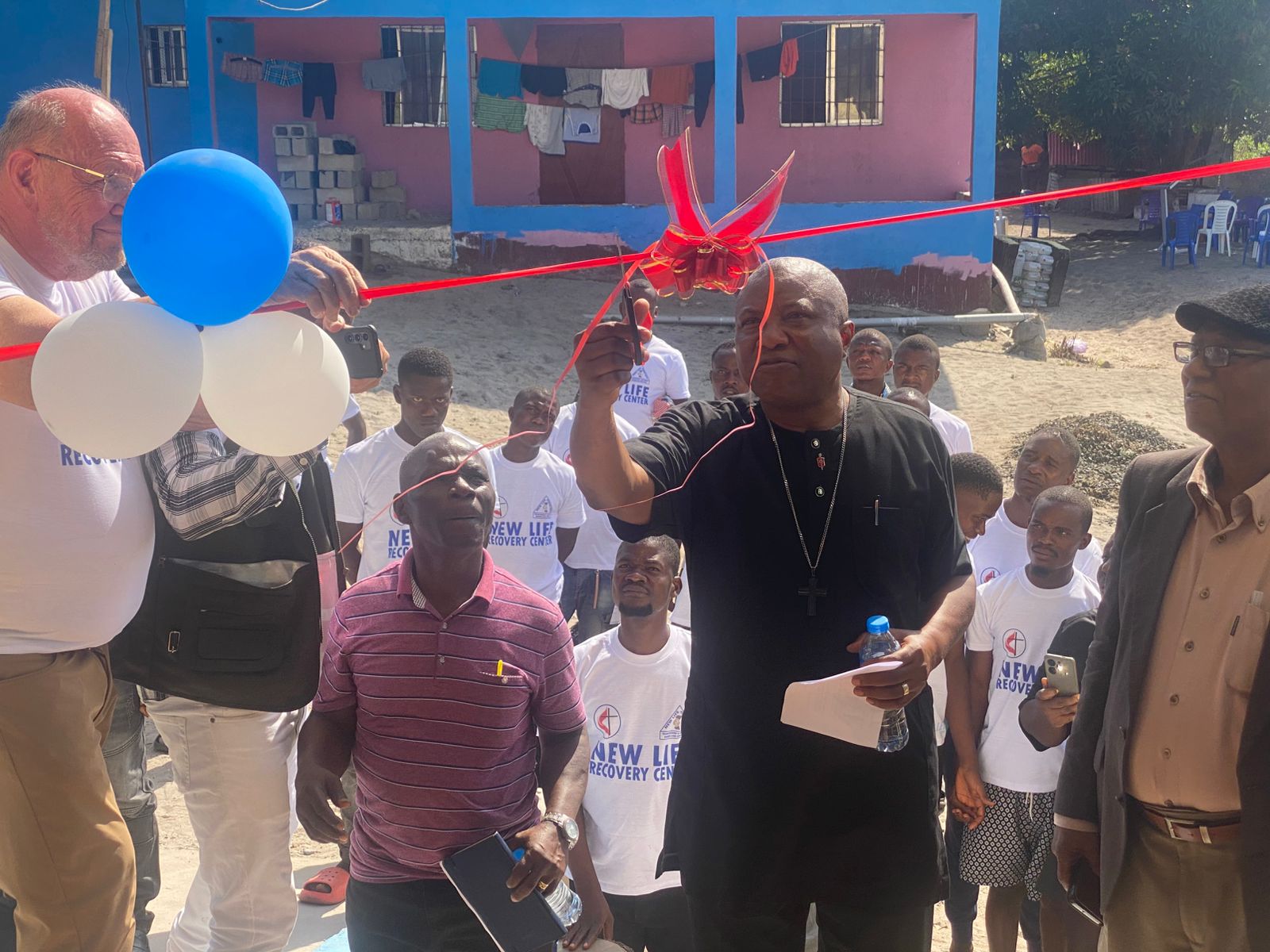
Liberia has taken another significant step in addressing its growing substance abuse crisis with the official dedication of a new rehabilitation facility at the New Life Recovery Center, a faith-based institution working to restore the lives of vulnerable youth.
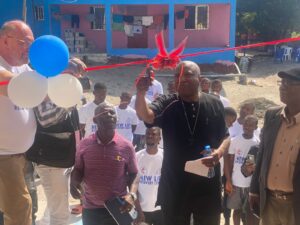
The Resident Bishop of the Liberia Annual Conference of the United Methodist Church, Samuel J. Quire Jr., presided over the dedication of the Ken Decker Building, a newly constructed complex designed to expand rehabilitation services in the country.
The ceremony brought together an array of international and local stakeholders, reflecting the increasing global and community interest in tackling Liberia’s addiction challenges.
Among those in attendance were Jim White, Jackie Chandler, Kathy Justice, Rev. and Mother Anthony G. Dioh, and the Center’s Director, Jefferson B. Knight.
A Growing Crisis: Substance Abuse Among Liberia’s Youth
Liberia, a country still rebuilding its social systems after years of civil conflict (1989–2003), faces a mounting drug and alcohol abuse problem, particularly among young people.
According to regional health assessments and UN-linked reports, substance abuse in West Africa has risen steadily over the past decade, with cannabis, alcohol, and synthetic drugs among the most commonly used substances.
Local authorities and civil society groups estimate that a significant percentage of urban youth in Liberia have been exposed to drug use, often beginning in school environments or through peer pressure.
Experts warn that limited public awareness, unemployment, and weak rehabilitation infrastructure continue to exacerbate the crisis.
Bishop Quire underscored this reality, describing substance abuse as “a serious social issue affecting the nation,” and pointed to schools as high-risk environments where many addictions begin.
A Facility Designed for Recovery and Reintegration
The newly dedicated Ken Decker Building represents a major upgrade in Liberia’s rehabilitation capacity.
The facility includes:
Seven residential rooms
A health post and mini-clinic
Administrative office spaces
Full-time electricity
Accommodation capacity for up to 50 residents
This expansion significantly enhances the New Life Recovery Center’s ability to provide structured care, counseling, and medical support to individuals battling addiction.
Founded in 2023, the Center has already impacted hundreds of disadvantaged Liberians, positioning itself as a critical player in the country’s limited but growing rehabilitation sector.
Lives Transformed: Early Signs of Success
In a milestone announcement, Director Jefferson B. Knight revealed that six residents have successfully completed the program, marking one of the Center’s earliest batches of fully rehabilitated individuals.
“We are committed to making a positive impact in our country,” Knight said.
“Through this Center, we will continue to change lives and build a better future for our young people.”
Testimonies from residents highlighted the human dimension of the crisis. Many spoke of struggles rooted in peer pressure, unemployment, and social instability factors widely cited in addiction studies across developing nations.
One recovering resident described the Center as “a family that has given us a new life and a way back to society,” underscoring the role of community-based rehabilitation in long-term recovery.
Faith-Based Intervention and International Support
Delivering the keynote address, Rev. Dr. Jim White, President of Recovery Liberia, emphasized the dual mission of the center social transformation and spiritual renewal.
“The New Life Recovery Center is transforming lives and helping individuals rediscover themselves,” he said, reaffirming continued international support for Liberia’s recovery initiatives.
Faith-based organizations, particularly the United Methodist Church, have historically played a central role in Liberia’s education and health sectors.
Since the 19th century, the Church has operated schools, clinics, and social programs, often filling gaps left by limited government capacity.
Board members, including Jackie Chandler, Kathy Justice, and Edward Brewer, reiterated their commitment to sustaining the Center’s programs, which focus on restoring dignity and reintegrating individuals into society.
A Call for Sustained Change
In his closing remarks, Bishop Quire delivered a message of resilience and responsibility to the residents.
“When you are truly changed, you do not go back to what you used to do,” he said. “Go out and be disciples of change help others leave drugs and live better lives.”
He also emphasized that addiction does not define an individual’s future, encouraging residents to remain steadfast in their transformation.
“Drugs will not stop you. With God, you will reach your destination,” he declared.
The Role of Rehabilitation in National Development
As Liberia continues its post-conflict recovery, addressing substance abuse is increasingly seen as essential to national development.
With a youth population comprising over 60% of the country, investment in rehabilitation, education, and mental health services is critical to ensuring long-term stability.
Institutions like the New Life Recovery Center are emerging as vital pillars in this effort offering not only treatment but also hope, structure, and a pathway back into society.
While challenges remain, the dedication of the Ken Decker Building signals a growing recognition that combating addiction requires coordinated action from government, faith-based institutions, international partners, and communities alike.


