
By: Julius Konton
The Government of Liberia has intensified efforts to improve public spending and accelerate the implementation of health-sector investments, as senior officials from the Ministry of Finance and Development Planning (MFDP) and the Ministry of Health convened a high-level budget “Deep Dive” session to examine implementation progress and address bottlenecks delaying critical projects.
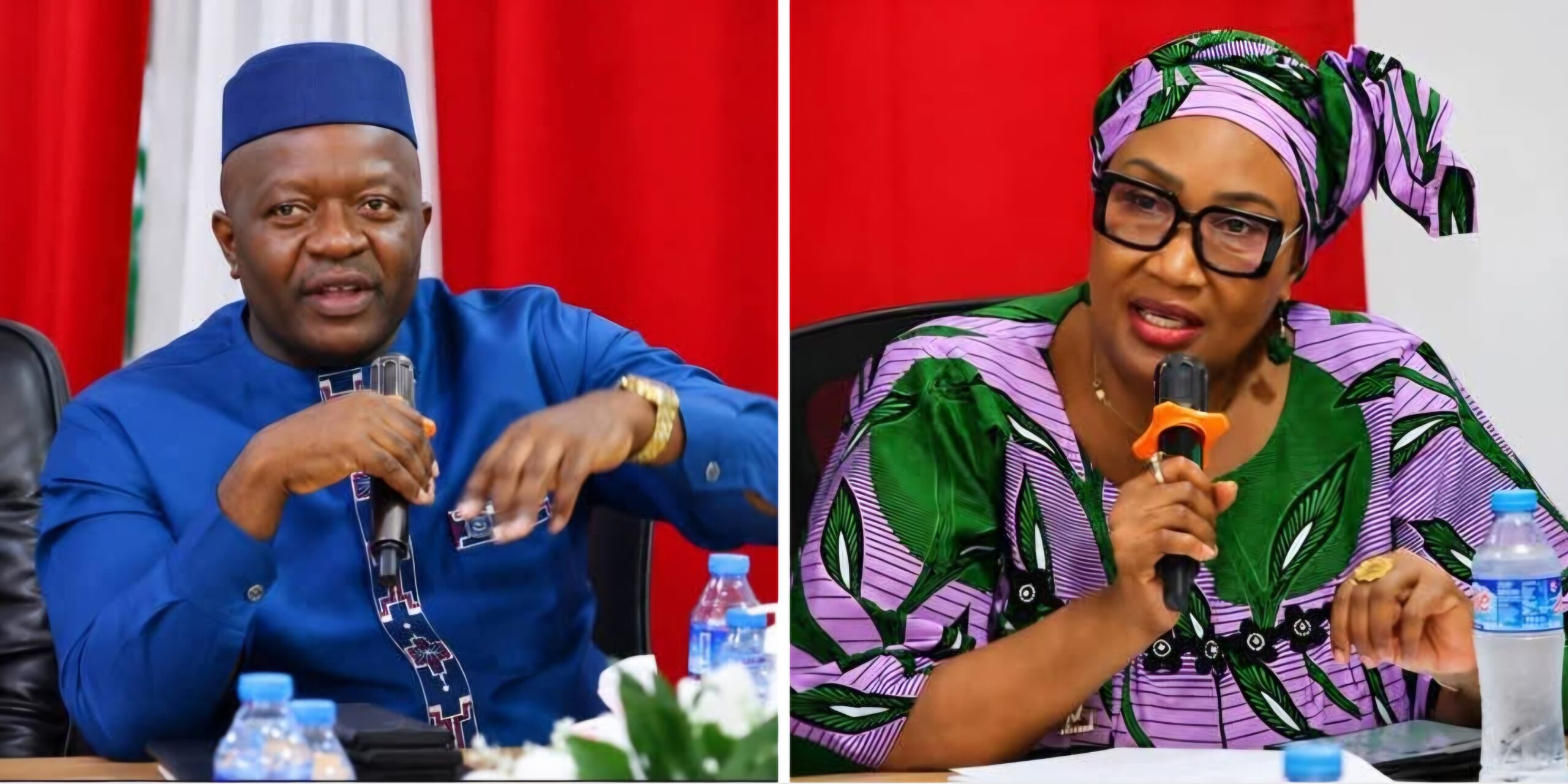
The meeting brought together Finance and Development Planning Minister Augustine Kpehe Ngafuan, Health Minister Dr. Louise Mapleh Kpoto, deputy and assistant ministers, senior technical officials and other specialists from both institutions.
The session focused on three central areas: assessing budget execution, reviewing the progress of health projects financed through the Public Sector Investment Program (PSIP), and identifying practical measures to remove administrative, financial and technical obstacles affecting project implementation and service delivery.
The latest engagement reflects a broader shift by the government toward closer monitoring of whether funds appropriated in the national budget are actually translated into completed projects and improved public services.
For Liberia, where limited fiscal space and significant infrastructure and social-service needs continue to place pressure on public finances, the effectiveness of budget execution remains a critical component of national development.
The FY2026 national budget was approved at approximately US$1.249 billion, following legislative review of the Executive’s initial proposal of about US$1.211 billion.
The government has also proposed a US$45 million supplementary budget, which would raise the fiscal framework to approximately US$1.294 billion if approved.
Against that backdrop, officials are increasingly focusing not only on the size of government allocations but also on implementation rates, project completion, procurement timelines and the measurable impact of public expenditure.
Health Investment at the Center
Health remains one of Liberia’s most important development priorities after decades of conflict, weak infrastructure and limited public-sector capacity left significant gaps in the country’s health system.
The country’s health infrastructure has expanded considerably since the end of the civil war in 2003, but challenges remain, particularly in rural access, medical infrastructure, equipment, human resources and the availability of essential services.
The COVID-19 pandemic also exposed vulnerabilities in Liberia’s health system while simultaneously demonstrating the importance of resilient public-health institutions, effective financing and rapid coordination among government agencies and development partners.
The PSIP therefore represents an important mechanism for directing public investment toward infrastructure and other capital projects capable of strengthening the country’s long-term development capacity.
The Deep Dive provided government officials an opportunity to move beyond broad budget allocations and examine the implementation status of individual health-sector investments, including the challenges preventing projects from advancing at the expected pace.
A major objective of the meeting was to identify the specific obstacles responsible for delays and establish practical solutions.
Such bottlenecks can include procurement delays, incomplete project documentation, slow fund releases, coordination gaps among implementing institutions, land and logistical constraints, contractor-related challenges and weaknesses in project monitoring.
By bringing policymakers, budget officials and technical experts into the same forum, the government is seeking to ensure that problems are identified early and resolved before they significantly affect project timelines or costs.
The approach also places greater emphasis on inter-ministerial coordination, recognizing that successful public investment frequently depends on multiple institutions working together rather than operating within isolated administrative structures.
ARREST Agenda and Inclusive Development
The initiative forms part of a broader series of strategic engagements being undertaken by the MFDP to strengthen budget management, improve execution and align government spending with the priorities of the ARREST Agenda for Inclusive Development.
The ARREST Agenda is the administration’s principal development framework and is designed to address key national priorities, including agriculture, infrastructure, education, health, governance, employment and economic transformation.
The administration of President Joseph Nyuma Boakai Sr. has repeatedly emphasized the need for public resources to produce visible and measurable benefits for citizens.
The latest Deep Dive therefore reflects an effort to strengthen the connection between budget allocation, project implementation and actual development outcomes.
Liberia’s development experience demonstrates that securing financial resources is only one part of the development equation.
The country’s ability to convert appropriated funds into completed infrastructure, functioning institutions and quality public services remains equally important.
Recent assessments of government programs have highlighted implementation challenges across some sectors, reinforcing calls for stronger monitoring and accountability.
The government has consequently placed greater emphasis on performance tracking, expenditure management and coordination among ministries, agencies and development partners.
The meeting is expected to contribute to that process by identifying health-sector projects requiring urgent intervention and developing measures to improve implementation.
Government Seeks Measurable Impact
The participation of Ministers Ngafuan and Kpoto, alongside senior policymakers and technical personnel, signals the importance attached to improving the efficiency of public investment.
Rather than treating the national budget solely as an annual financial document, the Deep Dive approach seeks to use it as a management instrument through which government can track commitments, measure performance and intervene where implementation falls behind schedule.
For ordinary Liberians, the ultimate test will be whether these administrative reforms translate into tangible improvements including better-equipped health facilities, expanded access to healthcare, improved infrastructure and more reliable public services.
As Liberia moves through the 2026 fiscal year, the government faces the dual challenge of managing constrained resources while responding to substantial development needs.
The Finance and Health Ministries’ latest engagement underscores the administration’s determination to close the gap between what government budgets and what citizens ultimately receive.
The Deep Dive process is therefore expected to continue serving as a platform for identifying implementation challenges, strengthening institutional accountability and ensuring that public investment produces measurable results under the ARREST Agenda for Inclusive Development.
