


By: Julius Konton
The Millennium Challenge Corporation (MCC) Board of Directors has officially reaffirmed Liberia’s eligibility for a Second MCC Compact, handing President Joseph Nyuma Boakai, Sr. and his administration a major foreign policy and governance victory.
The decision follows several months of intensified reforms, inter-agency coordination, and diplomatic engagement.
The announcement positions Liberia to negotiate a second multi-million dollar compact aimed at strengthening infrastructure, economic growth, and governance systems expected to support the administration’s long-term development priorities.
A Milestone Rooted in Reforms
The U.S.-backed MCC selects partner countries based on strict criteria in good governance, economic freedom, and investing in people.
Countries must pass at least 10 of 20 indicators, including a mandatory passing score on “Control of Corruption.”
For the 2025 MCC Scorecard, Liberia passed a majority of indicators for the first time since 2018, including major improvements in:
Control of Corruption
Fiscal Policy Discipline
Political Rights and Civil Liberties
Trade Policy
Gender in the Economy
These gains are widely credited to the Boakai administration’s anti-waste programs, renewed credibility with development partners, and stronger public financial management systems.
A Turnaround After Previous Challenges
Liberia’s path to reaffirmation has not been easy.
Its first MCC Compact valued at US$257 million was implemented between 2015 and 2021, focusing on:
Upgrading the Mount Coffee Hydropower Plant
Improving electricity sector governance
Supporting road maintenance systems
Enhancing the Liberia Electricity Corporation’s operational efficiency
However, Liberia struggled to maintain eligibility after 2020, when governance indicators declined, causing uncertainty about future MCC support.
President Boakai’s first year in office saw a push to reverse the country’s scorecard performance, making today’s approval particularly significant.
Leadership Reactions
In a statement following the reaffirmation, President Joseph Nyuma Boakai, Sr. described the news as “a clear validation of Liberia’s return to credibility, transparency, and disciplined governance.”
Senior government officials praised the reaffirmation as an achievement for the entire nation.
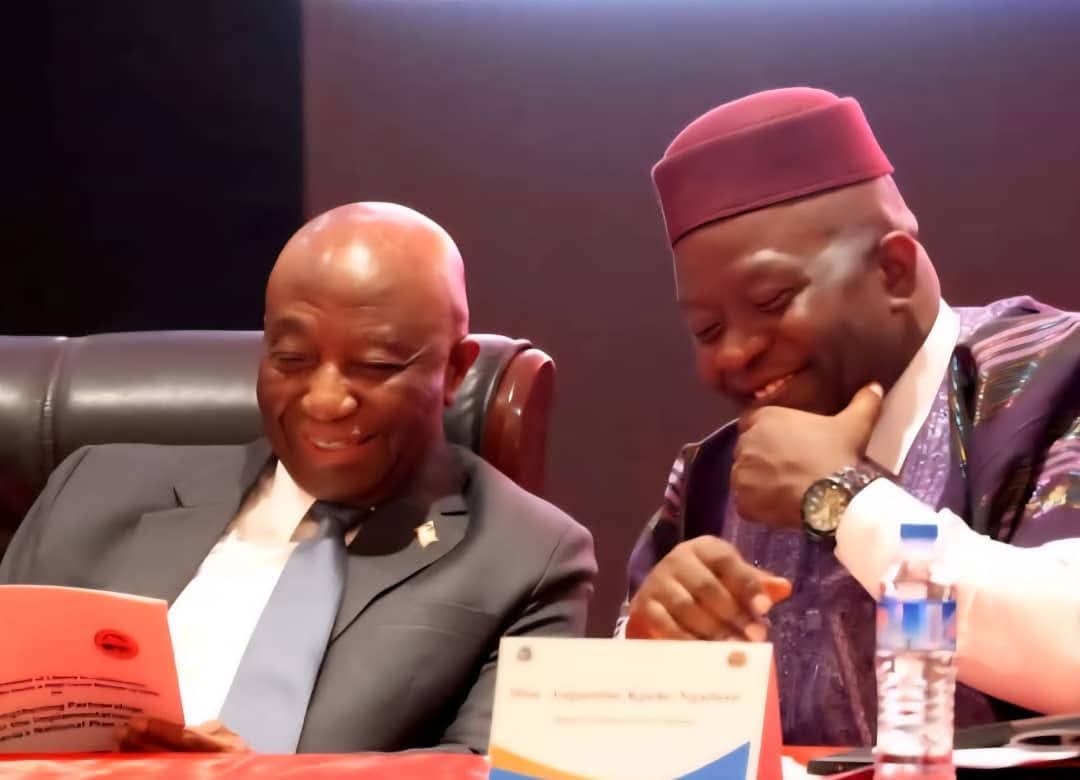
Finance and Development Planning Minister Augustine Kpehe Ngafuan, who led the technical steering team, welcomed the decision with emotion:
“It has been a long and bumpy journey, but we never lost faith.
We worked hard, and we have delivered for the President and the people of Liberia.”
Observers note that Minister Ngafuan’s leadership was instrumental in aligning Liberia’s policies with MCC’s rigorous standards, coordinating ministries, and sustaining high-level dialogue with Washington.
What the Second Compact Could Mean for Liberia
While negotiations will determine the final priority areas, early discussions suggest Liberia may target projects in:
Energy expansion and reliability
Road and transport modernization
Agricultural value chain competitiveness
Water and sanitation infrastructure
The second compact is anticipated to exceed the value of the first one if Liberia maintains strong governance performance.
A Boost for National Confidence and International Standing
Analysts say the MCC reaffirmation strengthens Liberia’s diplomatic profile and reassures investors of the government’s commitment to reform.
The decision also positions Liberia more competitively among West African nations, several of which have struggled to meet MCC governance standards in recent years.
The reaffirmation marks the beginning not the end of the process.
Liberia will now enter a negotiation and project development phase expected to last 12–18 months.
Successful implementation will depend on sustained governance reforms and continued policy stability.
For now, the Boakai administration is celebrating one of its most significant international victories to date, a turning point that signals renewed global confidence in Liberia’s future.
Editor’s Note
Liberia’s reaffirmation for eligibility for a Second Millennium Challenge Corporation (MCC) Compact is more than a routine diplomatic achievement, it is a pivotal moment that reshapes the country’s development trajectory and repositions it on the global governance stage.
At a time when U.S. foreign assistance is increasingly tied to measurable reforms and national accountability, this decision signals renewed confidence in Liberia’s leadership, institutions, and long-term policy direction.
This article examines the political, economic, and governance implications of the MCC Board’s decision, highlighting how President Joseph Nyuma Boakai, Sr.’s administration reversed declining indicators and restored Liberia’s standing after years of uncertainty.
With MCC compacts historically serving as catalysts for major infrastructure and governance transformations, the reaffirmation sets the stage for potentially the largest U.S. development engagement in Liberia in over a decade.
Readers should note that eligibility is the beginning of a demanding process, one that requires sustained reforms, cross-government coordination, and adherence to stringent transparency standards.
As negotiations for Compact II advance, Liberia’s ability to maintain momentum will determine whether this historic opportunity translates into lasting institutional and economic gains.
This report, therefore, not only captures an important diplomatic milestone but also frames the responsibilities, expectations, and national commitments required in the months ahead.


