
By : Staff Writer
Liberia’s already heated political atmosphere has intensified following the dramatic release of former Executive Mansion Chief of Protocol, Ambassador Nora Finda Bundoo, less than 24 hours after she was remanded to the Monrovia Central Prison.
The extraordinary turn of events moving from incarceration to freedom within a single day has reignited national debate over the independence of Liberia’s judiciary, the influence of politics in high-profile corruption cases, and the country’s evolving justice system.
Madam Bundoo, a senior official under former President George Manneh Weah’s administration, had initially been committed to prison after a lower court reportedly rejected her criminal appearance bond.
However, the legal landscape shifted dramatically when the Supreme Court of Liberia ordered her immediate release pending further judicial proceedings.
The swift intervention has generated sharply divided reactions across the country.
Critics argue that the speed of the Supreme Court’s decision has fueled public perceptions that politically exposed individuals receive preferential judicial treatment.
Others, including several legal observers, insist that the Supreme Court merely exercised its constitutional authority to review lower court decisions and ensure that due process was respected.
The case has once again placed Liberia’s judiciary under intense public scrutiny.
Liberia’s Constitution establishes the Supreme Court as the nation’s highest judicial authority, empowered to review decisions of lower courts whenever constitutional or procedural questions arise.
Legal experts note that appellate intervention is a normal feature of judicial systems around the world, although politically sensitive cases often attract heightened public attention and competing interpretations.
Outside the Monrovia Central Prison, emotions ran high even before the court’s ruling became public.
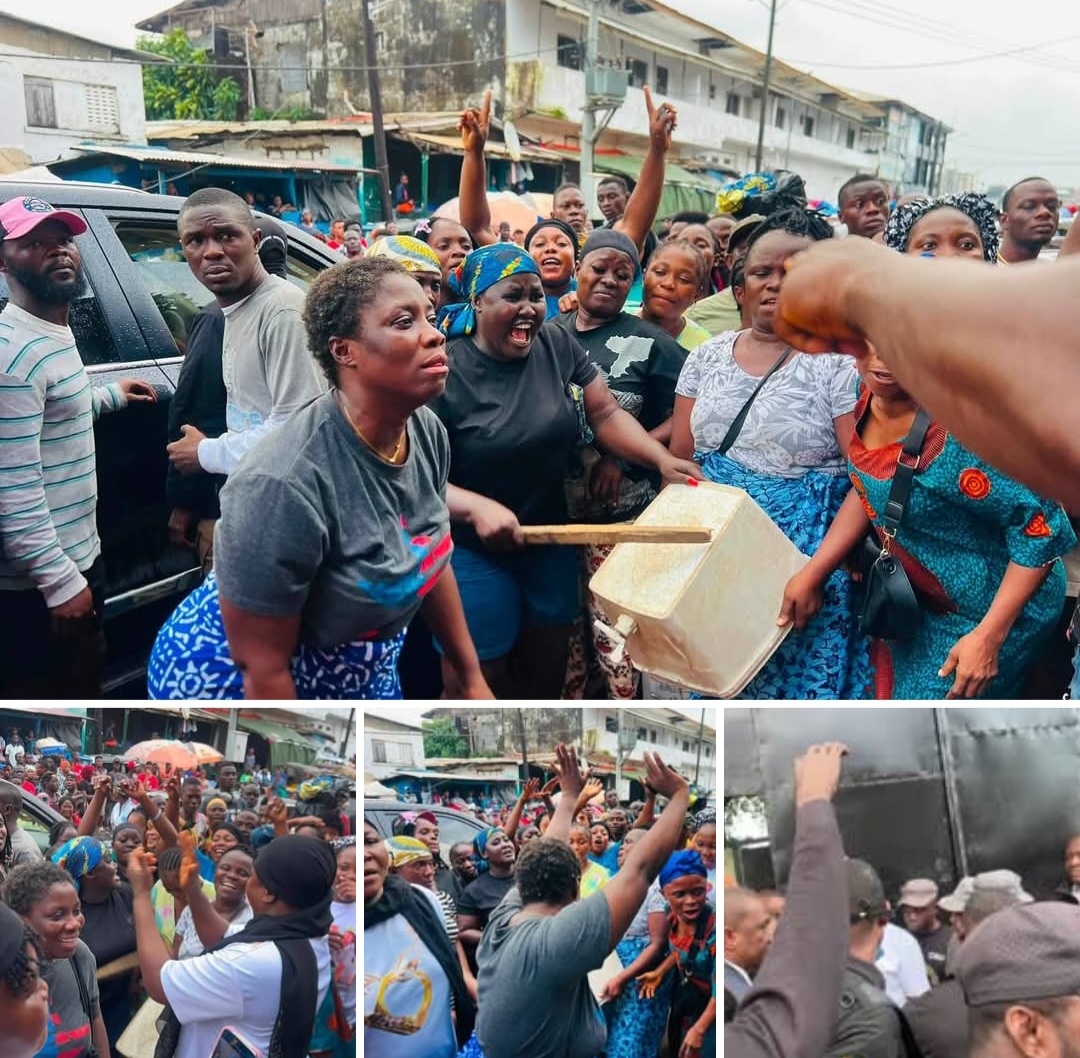
Scores of women gathered outside the prison compound in a peaceful demonstration demanding Madam Bundoo’s release.
Many supporters affectionately referred to her as “Rescue Mother,” describing her as someone they believe stood with ordinary Liberians during her years in public service.
Moments after news of the Supreme Court’s order spread, the atmosphere transformed into celebration.
Hundreds of supporters filled the area surrounding the prison, singing hymns, dancing, praying, and chanting slogans of solidarity as Madam Bundoo regained her freedom.
In one of the day’s most emotional moments, a visibly passionate supporter declared before the jubilant crowd:
“I can give my life for Rescue Mother,” she shouted repeatedly, drawing loud cheers from fellow supporters.
The statement underscored the deep emotional and political loyalty that Madam Bundoo continues to command among sections of the population despite the criminal proceedings she faces.
Political analysts say the public response illustrates the increasingly polarized nature of Liberian politics, where legal proceedings involving former senior government officials frequently become intertwined with partisan narratives and public perceptions.
Liberia, home to approximately 5.6 million people, has in recent years intensified its anti-corruption campaign, with several former and current public officials facing investigations and prosecution over allegations involving public resources.
Successive administrations have pledged to strengthen accountability, while civil society organizations continue to advocate for an independent judiciary capable of administering justice without fear or political interference.
The Bundoo case is now emerging as one of the country’s most closely watched legal battles, not only because of her former position at the Executive Mansion but also because of the broader constitutional and political questions it raises regarding bail, judicial discretion, due process, and equal treatment before the law.
As legal proceedings continue, the case is expected to remain a focal point in Liberia’s political discourse, testing public confidence in both the courts and the country’s commitment to the rule of law.
For many Liberians, the central question extends beyond the fate of one former government official: Can justice be seen as impartial in politically charged cases, regardless of who stands before the court?
The answer may shape public trust in Liberia’s democratic institutions for years to come.
