
By: Julius Konton
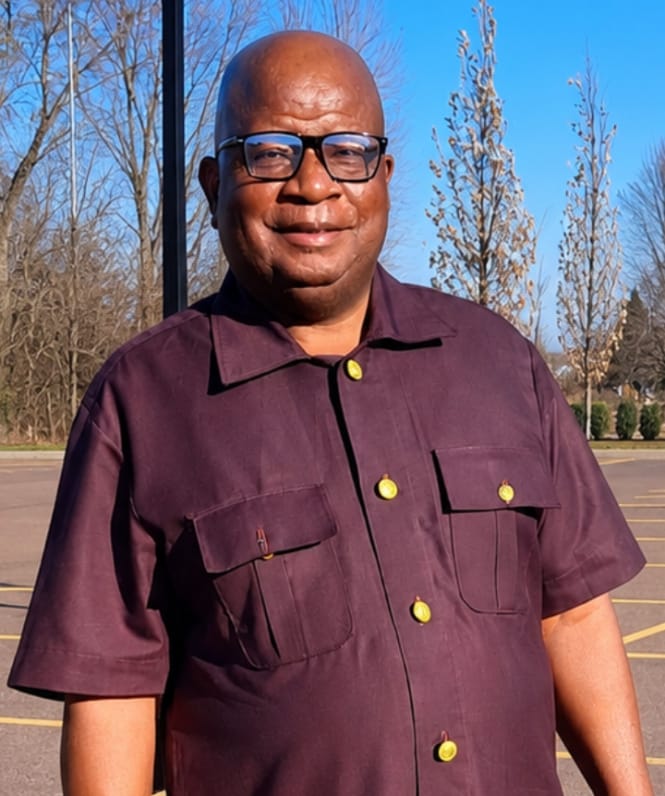
Chairman Emeritus and founding member of Liberia’s ruling Unity Party, Chelle Noring, has appealed for calm and restraint as authorities intensify investigations into the reported US$19 million drug seizure, one of the country’s most high-profile anti-narcotics cases in recent years.
Noring urged Liberians to avoid speculation and allow investigators to carry out what he described as a thorough, impartial, and professional inquiry capable of restoring public confidence in the nation’s justice and security institutions.
Speaking amid growing public debate surrounding the case, the veteran politician expressed confidence that President Joseph Nyuma Boakai remains committed to ensuring that anyone found responsible for the alleged drug shipment faces the full weight of the law, regardless of status or political affiliation.
“The Liberian people deserve the truth,” Noring said. “I have confidence that President Boakai will ensure that everyone connected to this matter is investigated fairly and that those found culpable are held accountable.”
Noring noted that combating illicit drug trafficking and substance abuse formed a central pillar of President Boakai’s 2023 election campaign, adding that the administration now faces one of its most significant tests in translating those campaign commitments into concrete action.
Drug abuse has increasingly become a major public health and national security concern across Liberia and West Africa.
Security experts have repeatedly warned that the region is being exploited as a transit corridor for international narcotics trafficking destined for Europe and other global markets, while domestic drug consumption continues to rise, particularly among young people.
The reported seizure has intensified public demands for stronger border controls, enhanced maritime surveillance, improved customs enforcement, and closer cooperation among Liberia’s security agencies.
Noring encouraged citizens possessing credible information about the alleged shipment to cooperate fully with investigators rather than fueling rumors or misinformation.
According to him, meaningful public cooperation could accelerate the investigation and strengthen the credibility of any eventual prosecution.
“I encourage anyone with useful information to provide it to the appropriate authorities. Responsible citizenship requires supporting the investigation through facts, not speculation,” he stated.
He emphasized that misinformation surrounding high-profile criminal investigations risks undermining both public confidence and the integrity of the judicial process.
The Unity Party stalwart also called on the Joint Security and all institutions assigned to investigate the matter to operate independently, professionally, and free from political interference.
He stressed that transparency, accountability, and adherence to due process remain essential for preserving confidence in Liberia’s democratic institutions.
“The investigation must be impartial, transparent, and concluded without unnecessary delay.
Justice must not only be done but must also be seen to be done,” Noring emphasized.
Legal analysts have noted that the manner in which authorities handle high-profile criminal investigations often serves as a benchmark for public confidence in governance and the rule of law.
Political Stakes Ahead of 2029 Elections
Beyond the legal implications, Noring warned that the government’s handling of the case could carry significant political consequences.
He argued that the investigation presents an opportunity for the Boakai administration to reinforce its commitment to transparency and accountability while strengthening public trust ahead of Liberia’s next presidential and legislative elections in 2029.
“If this matter is not handled properly, it could weaken public confidence and negatively affect the Unity Party’s prospects in the next general elections,” he cautioned.
Political observers note that issues relating to corruption, governance, security, and the rule of law have historically played influential roles in shaping voter sentiment during Liberia’s democratic elections.
Noring concluded by appealing directly to Liberia’s youth, urging them to reject narcotics and embrace education, entrepreneurship, vocational training, and productive civic engagement.
He warned that drug abuse continues to threaten the nation’s human capital by exposing thousands of young Liberians to addiction, crime, unemployment, and deteriorating health outcomes.
“Our young people are Liberia’s greatest asset. They must reject drugs and embrace opportunities that will enable them to contribute meaningfully to national development,” he said.
The reported US$19 million drug seizure has become one of Liberia’s most closely watched criminal investigations, generating widespread debate among citizens, civil society organizations, legal experts, and political stakeholders.
Authorities say multiple state security institutions are working jointly to determine the origin of the alleged shipment, identify all individuals involved, and establish whether any public officials or institutions facilitated its entry into the country.
The case has also renewed national discussions about strengthening Liberia’s anti-narcotics framework, improving border security, modernizing law enforcement capabilities, and enhancing regional cooperation against transnational organized crime.
Government officials have repeatedly urged the public to refrain from speculation while investigations remain ongoing, emphasizing that conclusions should be based on evidence produced through lawful investigative and judicial processes.
As the investigation progresses, many Liberians view the outcome as a significant test of the country’s commitment to the rule of law, institutional accountability, and the fight against illicit drug trafficking.
