





By: Julius Konton
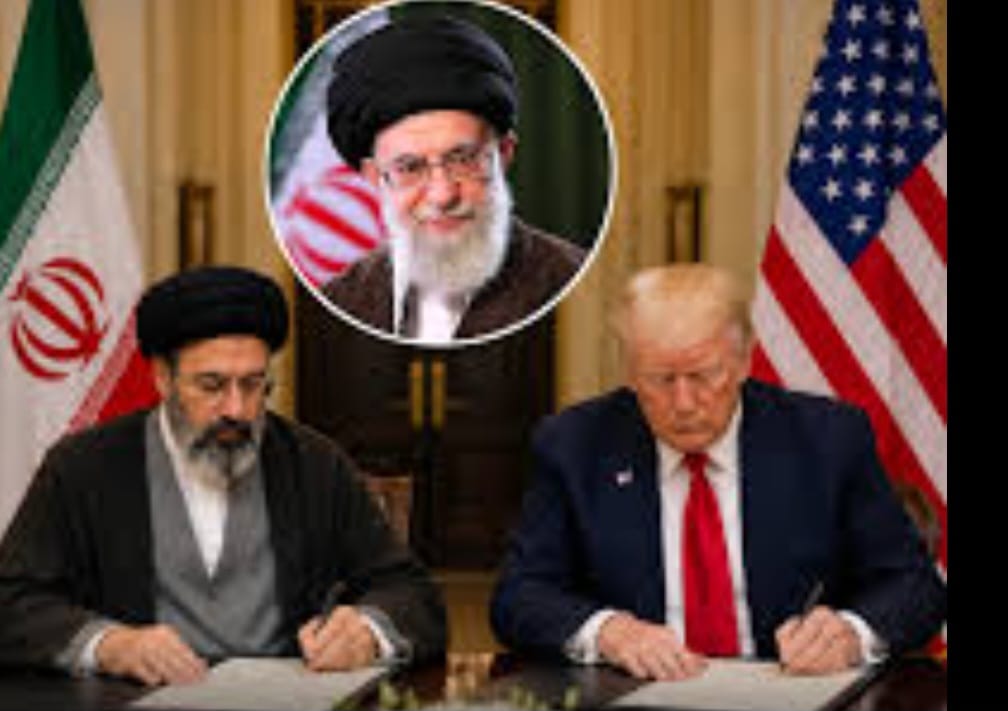
The Kingdom of Morocco has welcomed the Memorandum of Understanding reached between the United States and the Islamic Republic of Iran, describing the agreement as a significant diplomatic achievement that could strengthen regional stability, consolidate the ceasefire, and safeguard freedom of navigation through the strategically vital Strait of Hormuz.
In an official statement, Morocco emphasized the importance of the agreement for reducing tensions in one of the world’s most sensitive geopolitical regions.
The Kingdom called for the prompt implementation of the provisions contained in the memorandum and urged all parties to fully respect their commitments in order to preserve the positive momentum created by the diplomatic breakthrough.
Morocco also expressed appreciation to the mediators and international partners whose efforts helped facilitate dialogue and advance negotiations, noting that sustained diplomatic engagement remains essential for preventing escalation and promoting long-term peace and security.
“The Kingdom of Morocco welcomes the understanding reached between the United States and Iran and considers it an important step toward reinforcing the ceasefire and ensuring the sustainable freedom of navigation through the Strait of Hormuz,” the statement said.
Strategic Importance of the Strait of Hormuz
The Strait of Hormuz remains one of the world’s most critical maritime chokepoints.
Situated between the Persian Gulf and the Gulf of Oman, the narrow waterway serves as the primary transit route for global energy exports from major oil-producing nations in the region.
According to international energy estimates, approximately 20 percent of global petroleum consumption equivalent to between 20 and 21 million barrels of oil per day passes through the strait.
The route is also essential for the transport of liquefied natural gas (LNG), particularly from Gulf producers supplying markets across Asia, Europe, and beyond.
Any disruption to shipping through the Strait of Hormuz has historically generated immediate concerns in global energy markets, often triggering fluctuations in oil prices, insurance costs, and international trade flows.
Diplomatic Efforts Amid Regional Tensions
The latest understanding between Washington and Tehran follows years of fluctuating relations marked by periods of confrontation, economic sanctions, maritime incidents, and broader regional tensions.
Over recent decades, the Gulf region has witnessed repeated diplomatic and security challenges affecting international shipping routes.
The current memorandum is therefore being viewed by many observers as an important confidence-building measure capable of reducing risks to commercial navigation and strengthening regional security mechanisms.
Analysts note that successful implementation of the agreement could contribute to lowering tensions across the wider Middle East while creating conditions more conducive to political dialogue and economic cooperation.
Morocco Reaffirms Commitment to International Law
Morocco reiterated its support for the principles of international law, peaceful dispute resolution, and multilateral diplomacy.
The Kingdom expressed hope that the agreement would not only secure maritime stability but also help address other unresolved issues through dialogue and constructive engagement.
The statement underscored Morocco’s longstanding commitment to promoting moderation, regional cooperation, and diplomatic solutions to international disputes.
Rabat further emphasized that sustainable peace can only be achieved through respect for international norms, mutual understanding, and continued negotiations among all stakeholders.
As governments and international organizations closely monitor developments, attention will now turn to the implementation phase of the memorandum.
Diplomats and market observers alike view the coming weeks as crucial in determining whether the agreement can translate into lasting stability for the Gulf region and the broader international community.
Morocco expressed optimism that the accord would serve as a foundation for further diplomatic progress, helping to resolve outstanding issues, strengthen regional security, and contribute to a more stable and prosperous international environment.


