
By: Laymah E. Kollie
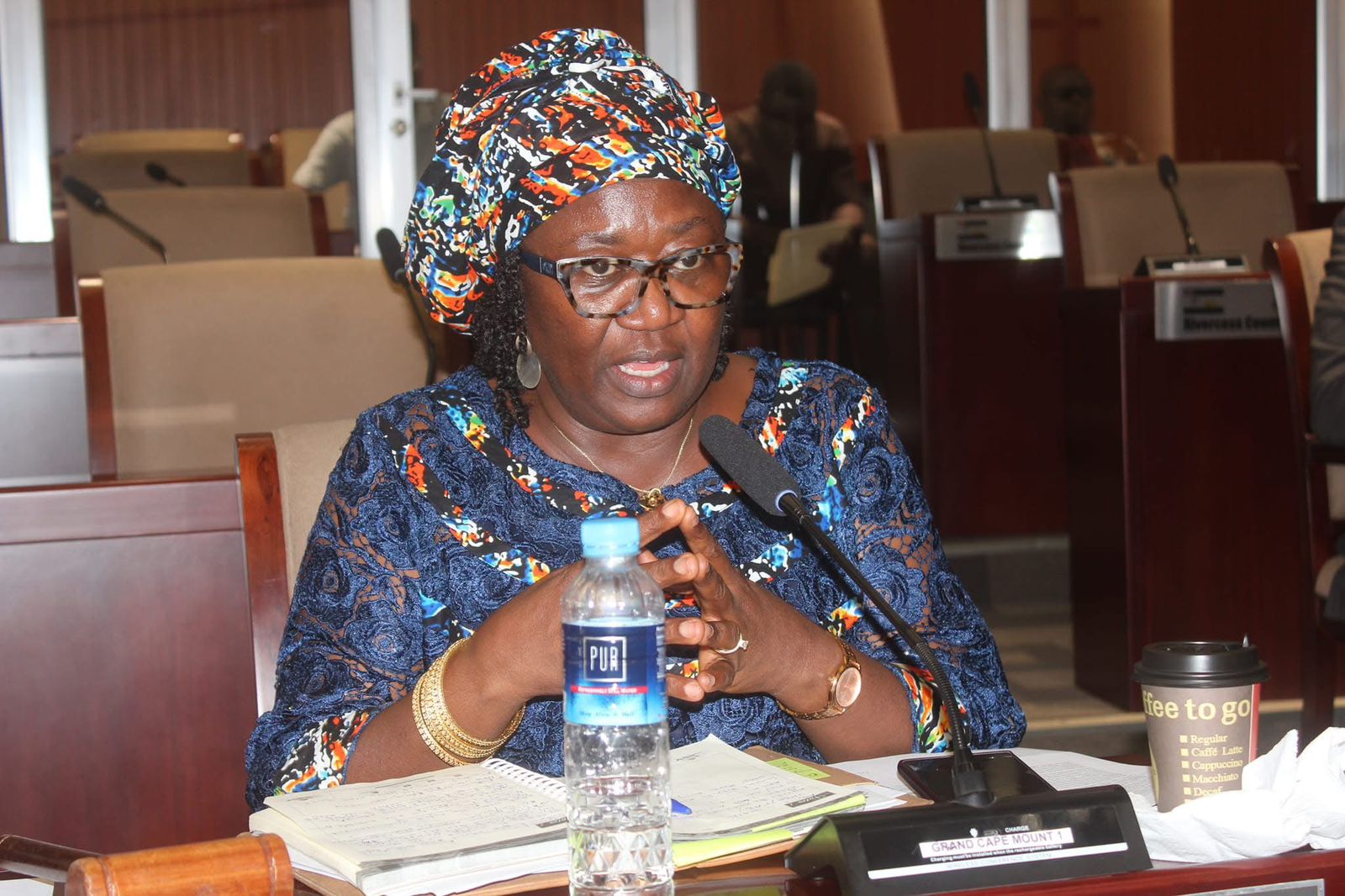
Grand Cape Mount County Senator Dabah M. Varpilah has formally requested the Liberian Senate to initiate an immediate and comprehensive review of the Mineral Development Agreement (MDA) between the Government of Liberia and Bea Mountain Mining Corporation (BMMC), arguing that the current terms no longer reflect Liberia’s evolving economic realities.
The move follows Vice President Jeremiah Kpan Koung’s recent visit to Grand Cape Mount County over the weekend, where he toured BMMC’s operations. During the visit, the Vice President reportedly inquired about the company’s monthly gold output.
In response, company officials have disclosed that BMMC produces approximately 900 kilograms of gold per month, valued at an estimated US$137.4 million, or about US$1.65 billion annually.
The revelation has since triggered public debate over perceived limited community benefits and poor living conditions in surrounding areas despite large-scale extraction.
In her communication to Senate Pro Tempore Nyonblee Karnga-Lawrence, Senator Varpilah said the mining agreement should serve as a pillar of Liberia’s ARREST Agenda and deliver sustainable national prosperity.
She, however, argued that the current arrangement is increasingly misaligned with present-day fiscal and social realities.
The senator urged the Senate to constitute a specialized concession review committee to engage BMMC for renegotiation in the interest of what she described as a fairer deal for Liberians.
She cited the need for stronger fiscal returns, noting that Liberia’s 3 percent fixed royalty on gold is outdated amid rising global gold prices, and compared it to neighboring countries where sliding-scale royalties reportedly reach up to 11 percent.
Senator Varpilah also criticized the 2023 First Amendment to the BMMC agreement, which extended the concession by 25 years without an upfront payment.
She contrasted this with other concession agreements, including ArcelorMittal, which reportedly included substantial signature bonuses, describing the arrangement as a missed opportunity for immediate national revenue gains.
On community impact, she raised concerns over poor living conditions in host communities, arguing that existing clan development funds amount to less than 0.05 percent of extracted mineral value. She also referenced the 2022 chemical spill and resettlement challenges, calling for stronger liability provisions and a substantial reclamation bond.
The senator further cited Section 36 of the MDA, which allows periodic review every five years under substantial changes in circumstances, arguing that rising commodity prices and growing demands for transparency meet that threshold.
The communication has been forwarded to relevant Senate committees, including Concessions, Judiciary, Human Rights, Claims and Petitions, and Ways, Means and Finance, for review and a timely report back to plenary for action.
