
By: Julius Konton
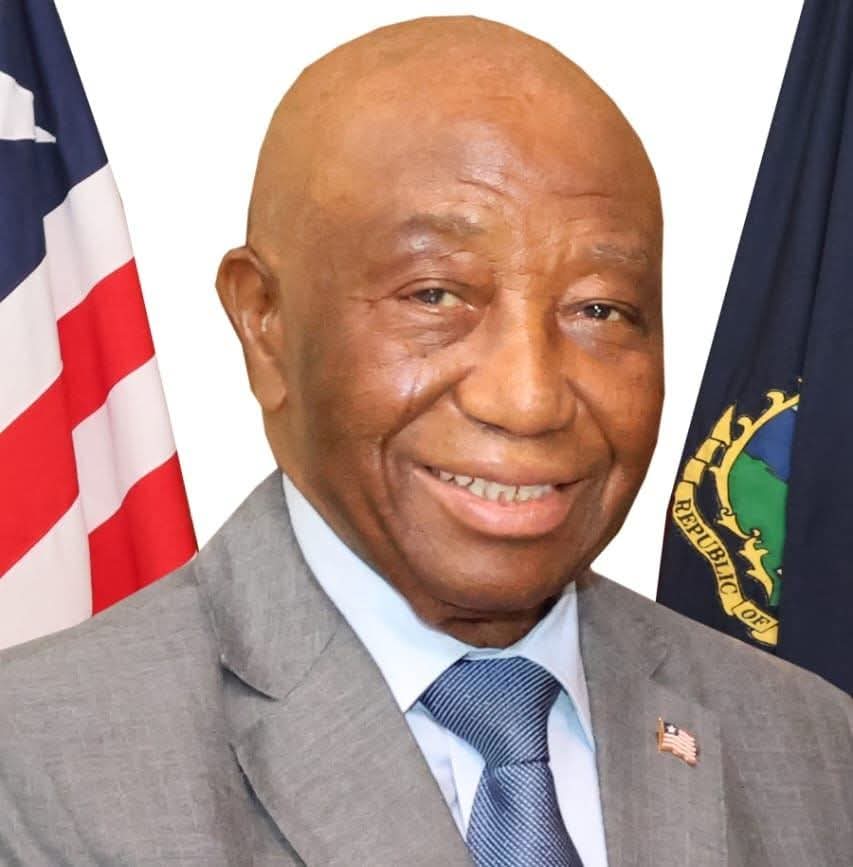
In a move signaling a major shift in Liberia’s economic governance and development financing strategy, President Joseph Nyuma Boakai, Sr. has issued Executive Order No. 158, formally establishing the Liberia Corporation for Strategic Investment (LCSI) as a Special Presidential Project designed to unlock long-term capital, strengthen food security, and stimulate county-level economic growth.
The new entity is the operational centerpiece of the Government of Liberia’s Strategic Partnership Agreement with Afriland First Holding, positioning the country to leverage blended public–private investment amid persistent fiscal constraints and infrastructure gaps.
Liberia’s economy valued at approximately US$4.5 billion with agriculture employing nearly 70 percent of the labor force, according to recent national estimates has long struggled with limited access to capital, weak rural infrastructure, and heavy reliance on donor-driven development.
The LCSI aims to reverse that pattern by mobilizing domestic ownership alongside international financing.
A Joint Venture with Decentralized Ownership
Under the Executive Order, the LCSI is structured as a joint venture with a clear pro-Liberian ownership model:
The Government of Liberia will hold 80 percent ownership.
60 percent of the government’s equity will be distributed equally among Liberia’s 15 counties, granting each county a 4 percent stake.
The remaining 20 percent will be retained by the central government.
Afriland First Holding will hold 20 percent ownership, with at least 10 percent of its shares opened to public and institutional participation, including commercial banks, insurance firms, government agencies, and qualified investors.
Analysts say the county-based equity structure is unprecedented in Liberia’s post-war economic architecture, potentially strengthening local accountability while aligning national growth with grassroots development.
“This approach turns counties from passive beneficiaries into economic stakeholders,” a senior economic policy analyst in Monrovia noted.
“It could redefine how development dividends are shared across Liberia.”
Mandate Anchored in National Priorities
According to the Executive Order, the LCSI’s mandate aligns directly with Liberia’s medium- and long-term development agenda, focusing on:
Mobilizing domestic and international financial and technical resources for strategic projects;
Establishing rural micro-structures to spur local enterprise and job creation;
Promoting agricultural self-reliance, with emphasis on rice production and national food security, a critical issue as Liberia imports an estimated 60–70 percent of its rice consumption;
Supporting the construction and rehabilitation of military barracks and public infrastructure;
Conducting feasibility studies, policy research, and digital transformation initiatives; and Coordinating the execution of strategic national programs across ministries and agencies.
Food security experts have long warned that Liberia’s annual rice import bill often exceeding US$200 million, exposes the country to global price shocks.
The LCSI’s agriculture focus is expected to target irrigation, mechanization, and rural value chains.
Governance, Oversight, and Legal Framework
The LCSI will operate under the supervision of the Minister of State without Portfolio, who will serve as the focal point for presidential oversight.
A Board of Directors, comprising representatives of both the Government of Liberia and Afriland First Holding, will provide strategic direction and governance.
The Executive Order emphasizes transparency, accountability, and compliance with national laws, while granting the corporation specific rights and privileges under the Strategic Partnership Agreement, including targeted tax and duty exemptions to enhance investment efficiency.
To facilitate international engagement and financing, the Chief Executive Officer and designated senior technical staff will enjoy limited diplomatic privileges, a provision commonly used in large-scale development and investment vehicles across Africa.
Implementation Timeline and Legislative Path
President Boakai has directed the immediate operationalization of the LCSI, with instructions to:
Launch pilot projects in rural development, agriculture, and infrastructure rehabilitation within 12 months;
Coordinate with line ministries to complete legal, administrative, and regulatory requirements;
Pursue legislative ratification to transform the LCSI into a permanent statutory entity; and Submit quarterly progress reports to the Office of the President.
Executive Order No. 158 is issued pursuant to Article 50 of the Liberian Constitution, which vests executive authority in the President to ensure the faithful execution of national policies.
While the Order remains in force for one year, the government has indicated that its expiration will not disrupt the LCSI’s operations once it is legally constituted through legislative approval.
A Broader Signal to Investors
For international investors and development partners, the creation of the LCSI sends a clear signal that Liberia is repositioning itself as a structured, partnership-driven investment destination, one that blends public oversight, private-sector efficiency, and local ownership.
As President Boakai’s administration advances its economic reset agenda, the success or failure of the LCSI may well determine whether Liberia can finally convert policy ambition into sustained, inclusive growth.
