




By: Julius Konton
The Government of Liberia has ordered the immediate suspension of operations of Huiren Mining Company in Bong County, following the discovery of serious safety, environmental, and regulatory violations during a high-level inspection by the Ministry of Mines and Energy (MME).
The decisive action underscores Liberia’s intensifying efforts to enforce compliance in a sector that contributes significantly to national revenue but has long faced scrutiny over safety standards and environmental stewardship.
Systemic Compliance Failures Uncovered
A technical assessment led by Director of Mines, Alwell Aloysius Carr, and Deputy Inspector General for Mines, Adolphus Gleekia, revealed what authorities described as “systemic non-compliance” with established mining regulations.
Inspectors found that Huiren Mining
Company failed to produce mandatory production reports and key operational documentation critical requirements under Liberia’s Minerals and Mining Law for transparency and accountability.
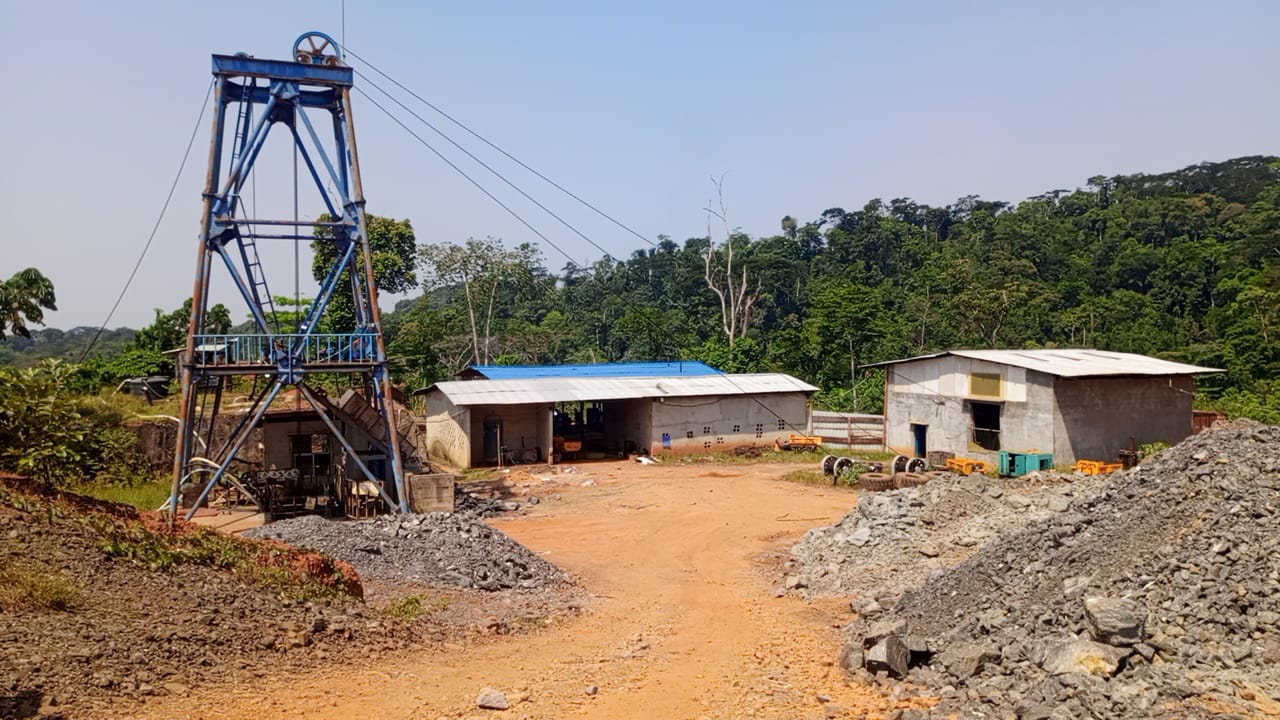
In addition, engineers identified severe structural deficiencies at the mining site, including an unstable shaft collar, an essential support structure posing immediate risks to workers’ safety.
“The absence of basic safety systems and documentation reflects a serious breach of national mining standards,” a senior official at the Ministry noted.
Hazardous Chemical Mismanagement Raises Alarm
Perhaps most concerning was the improper handling and storage of hazardous chemicals used in gold extraction processes.
The inspection team reported unsafe stockpiling of substances such as:
Sodium Cyanide (NaCN)
Ammonium Nitrate
Sodium Hydroxide
Other oxidizing agents and industrial reagents
These chemicals are commonly used in Carbon-In-Leach (CIL) gold processing, a widely adopted method in the global mining industry but require strict handling protocols due to their high toxicity.
According to the International Cyanide Management Code, even minor exposure to sodium cyanide can be fatal, while improper storage of ammonium nitrate has historically contributed to industrial disasters worldwide.
Environmental experts warn that mismanagement of such substances can lead to:
Soil and groundwater contamination
Toxic exposure to nearby communities
Long-term ecological degradation
Weak Safety Culture in a High-Risk Industry
The Ministry also cited the near absence of occupational health and safety measures at both the mining and processing sites.
Globally, mining remains one of the most hazardous industries.
According to data from the International Labour Organization (ILO), mining accounts for approximately 8% of fatal workplace accidents worldwide, despite employing less than 1% of the global workforce.
In Liberia, where artisanal and small-scale mining dominates parts of the sector, enforcement challenges have historically limited regulatory oversight making recent actions by the government particularly significant.
Government Orders Sanctions and Full Investigation
In response to the findings, the Ministry has:
Ordered the immediate suspension of Huiren Mining operations
Recommended sanctions under Liberia’s mining and environmental laws
Launched a comprehensive investigation into:
Ore production levels
Plant recovery processes
Chemical sourcing and usage practices
Authorities say operations will remain halted pending the outcome of a full compliance audit.
The company will only be permitted to resume activities after:
Addressing all safety and environmental deficiencies
Demonstrating full regulatory compliance
Passing a rigorous government re-inspection
Mining Sector Under Increasing Scrutiny
Liberia’s mining sector rich in gold, iron ore, and diamonds accounts for a substantial share of export earnings.
According to government estimates and international financial institutions, extractive industries contribute over 10% of Liberia’s GDP and represent a major pillar of foreign exchange inflows.
However, the sector has faced recurring criticism over:
Environmental degradation
Weak enforcement of regulations
Limited community benefits
Safety risks for workers
Historically, incidents involving unregulated mining practices have led to land disputes, water pollution, and occupational hazard prompting calls for stricter governance.
A Strong Signal to Investors and Operators
The Ministry emphasized that compliance with national laws is non-negotiable and that the government is committed to aligning Liberia’s mining practices with international standards.
“This action sends a clear message: Liberia will not tolerate unsafe and irresponsible mining operations,” the Ministry stated.
Analysts say the suspension reflects a broader shift toward strengthening regulatory oversight, improving transparency, and restoring confidence in Liberia’s extractive sector.
Protecting Lives, Environment, and National Interests
The shutdown of Huiren Mining Company highlights the government’s renewed focus on:
Safeguarding workers’ lives
Protecting fragile ecosystems
Ensuring responsible resource extraction
As Liberia continues to position itself as an attractive destination for mining investment, authorities face the dual challenge of encouraging economic growth while enforcing strict compliance standards.
For now, the halt in Bong County stands as a stark reminder that safety, environmental responsibility, and transparency remain central to the future of mining in Liberia.


