




By : Julius Konton
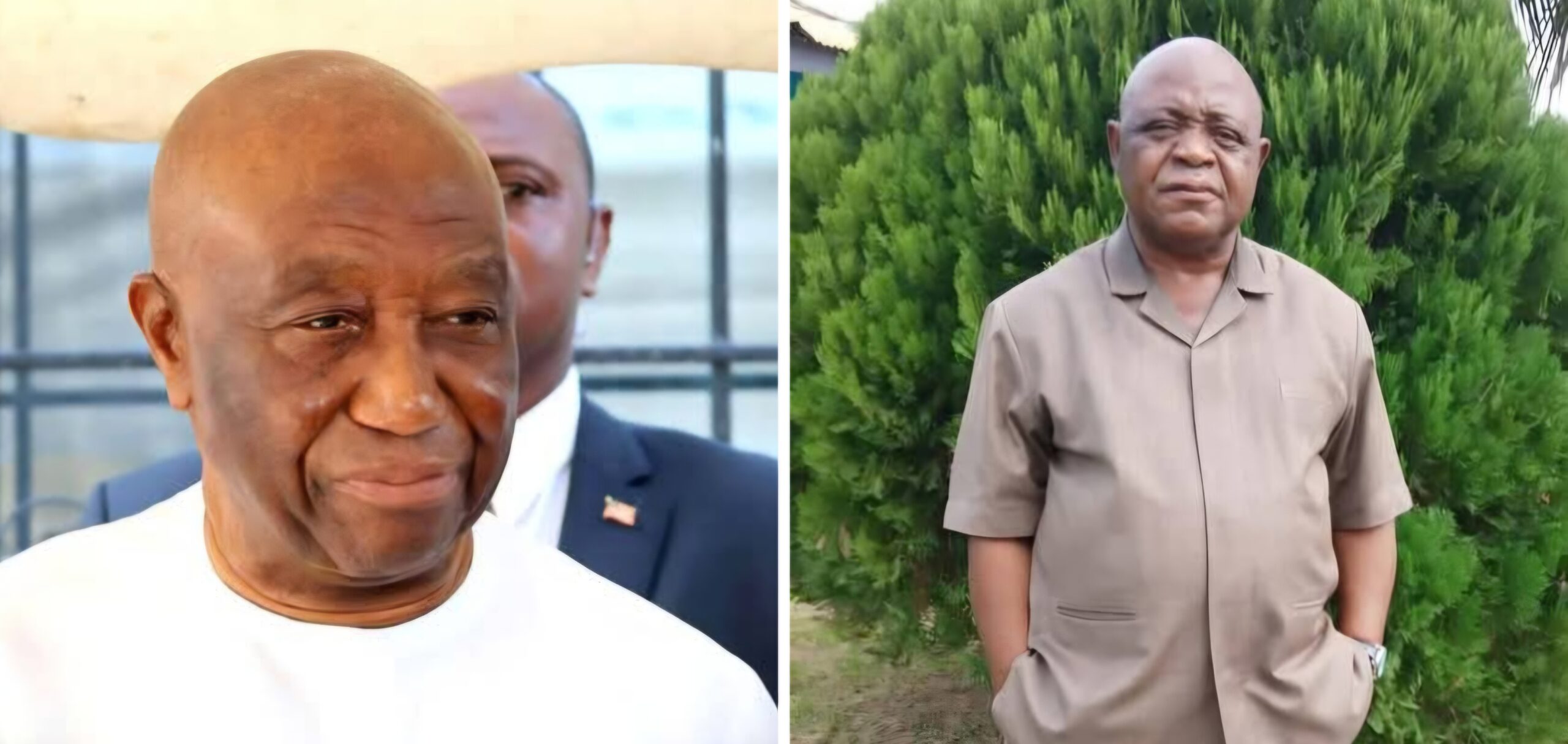
In a dramatic political reversal that has intensified debate over electoral integrity in Liberia, President Joseph Nyuma Boakai has withdrawn the nomination of Jonathan Weedor as Chairman of the National Elections Commission (NEC) less than 24 hours after announcing the appointment.
The abrupt decision follows a wave of criticism from opposition parties, civil society organizations, and governance advocates, many of whom questioned the nominee’s independence and political neutrality key requirements for overseeing elections in a fragile democratic environment.
A Swift U-Turn Under Pressure
The presidency’s decision underscores the growing influence of public opinion and organized political resistance in Liberia’s governance landscape.
Analysts describe the withdrawal as both “responsive leadership” and a sign of “institutional vulnerability,” depending on perspective.
Weedor, who has prior experience within Liberia’s electoral system, faced immediate scrutiny over alleged political affiliations and perceived lack of impartiality.
Critics argued that his appointment risked undermining confidence in the NEC ahead of future electoral cycles.
According to Liberia’s electoral framework, the NEC is mandated to conduct free, fair, and transparent elections for a population of approximately 5.4 million people.
The credibility of the Commission has historically been pivotal, particularly in post-conflict Liberia, where elections have served as a cornerstone of democratic stability since the end of the civil war in 2003.
Historical Context: A Fragile Electoral System
Liberia’s democratic institutions have evolved under intense international scrutiny.
Following the civil wars (1989–2003), the NEC gained prominence during the landmark 2005 elections that brought Ellen Johnson Sirleaf to power Africa’s first elected female president.
Subsequent elections, including the 2017 transition to former football star-turned-president George Weah, were largely peaceful but not without disputes.
Reports from organizations such as Transparency International have consistently emphasized the importance of institutional independence to combat corruption and electoral manipulation.
Recent Afrobarometer surveys indicate that while over 60% of Liberians support democratic governance, fewer than 45% express full confidence in electoral institutions highlighting persistent trust deficits.
Statistics and Public Sentiment
Trust Gap: Only ~43–45% of Liberians report strong trust in electoral bodies (Afrobarometer trends).
Youth Demographics: Over 60% of Liberia’s population is under 25, increasing the stakes for credible elections.
Voter Turnout: Turnout in the 2023 elections hovered around 70%, reflecting strong civic participation but also heightened expectations for transparency.
These figures underscore why the NEC leadership is not merely administrative but central to national legitimacy.
Political Fallout and Governance Questions
The withdrawal has temporarily diffused tensions, but it also raises critical questions:
Was the initial nomination adequately vetted?
Does the reversal reflect democratic accountability or political pressure?
Could repeated controversies weaken executive authority?
Opposition leaders have welcomed the decision as a “victory for democratic vigilance,” while some ruling coalition figures privately express concern that the presidency may appear indecisive.
President Boakai now faces mounting pressure to nominate a replacement who commands broad political and public confidence.
Governance experts warn that any further missteps could erode trust not only in the NEC but also in the administration’s reform agenda.
“The next nomination must meet three tests competence, neutrality, and credibility,” said a Monrovia-based political analyst.
“Anything less risks reopening the same wounds.”
A Test of Democratic Maturity
While the immediate political storm may be subsiding, the episode highlights deeper structural challenges within Liberia’s democracy: balancing executive authority with public accountability, and ensuring that key institutions remain insulated from political influence.
As Liberia prepares for future elections, both domestic observers and international partners will be watching closely.
The credibility of the next NEC chairperson could prove decisive not just for electoral outcomes, but for the country’s democratic trajectory.
NB: Today is April 1, and it is World’s Fools Day, Take Note.


