


By: Julius Konton
Liberia has intensified efforts to review and strengthen its electoral legal framework ahead of the 2029 General Elections, with the Law Reform Commission engaging the United Nations Development Programme (UNDP) on proposed changes to key provisions governing the country’s electoral process.
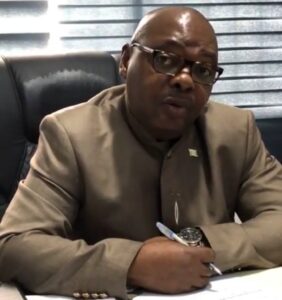
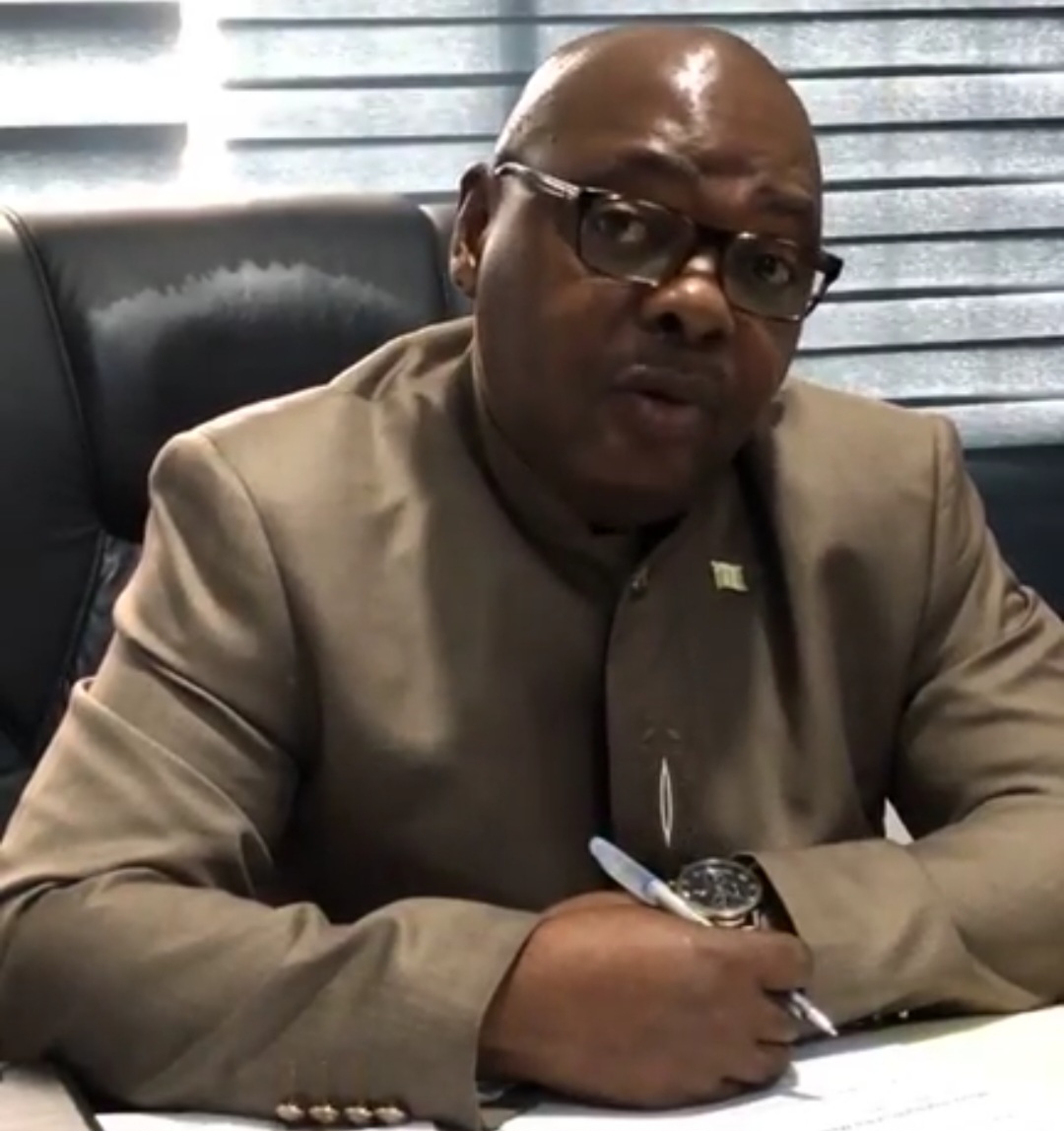
The latest discussions were held Monday, September 15, 2026, at the headquarters of the Law Reform Commission in Monrovia, where a UNDP Electoral Support Programme team, including its specialist for inclusive electoral processes and legal reform, met with the Commission’s Executive Chairperson, Cllr. Bornor M. Varmah.
The engagement forms part of a broader reform effort aimed at addressing legal and institutional gaps identified from Liberia’s recent electoral experiences.
Speaking following the meeting, Cllr. Varmah said the Commission had reviewed existing electoral laws and identified provisions requiring clarification, amendment or strengthening.
Among the areas under consideration, he said, are the regulation of political parties, campaign financing, voter registration, women’s political participation and mechanisms for resolving electoral disputes.
The proposed review comes as Liberia prepares for another national electoral cycle involving millions of voters.
The National Elections Commission (NEC) currently lists 2,471,617 registered voters, 46 political parties, 2,080 voting precincts and 5,890 polling places, underscoring the scale and logistical importance of the country’s electoral framework. In the 2023 presidential election, the NEC recorded 1,949,155 total votes, representing 78.86 percent of registered voters.
The reform agenda also builds on years of efforts to modernize Liberia’s electoral laws.
The country’s electoral framework is rooted in the 1986 Elections Law, which has subsequently undergone amendments, including changes in 2014.
In 2019, the NEC, with UNDP support and participation from political parties, civil society, women and youth organizations, conducted nationwide consultations on proposed reforms to the 1986 law and its amendments.
The NEC has a statutory role in proposing amendments or repeals of electoral-law provisions for consideration by the National Legislature.
Women’s participation remains another significant issue in the reform debate.
Liberia introduced a 30 percent guideline for women candidates in 2005, but UNDP analysis found that political parties did not meet that threshold in subsequent elections, while women’s representation in the Legislature declined from levels recorded after the 2005 elections.
The issue has therefore remained part of wider discussions about electoral inclusion and equal participation.
The current review follows nationwide electoral-law consultations conducted by the NEC in 2025 with support from UNDP’s Liberia Electoral Support Project, the European Union, Irish Aid and Sweden.
Those consultations sought public and stakeholder input on strengthening Liberia’s electoral laws and ensuring that future elections are conducted within a legal framework responsive to national realities and international standards.
Cllr. Varmah said the Law Reform Commission expects to complete the current draft within one to two months, after which it will proceed to stakeholder validation.
The validation stage is expected to provide political parties, civil society organizations, women’s and youth groups, election experts and other stakeholders an opportunity to review the proposals before they advance through the appropriate legislative process.
The reform effort is taking place alongside a broader institutional modernization programme within Liberia’s electoral system.
The NEC launched its 2026–2030 Strategic Plan in September 2026, setting out a five-year transformation agenda focused on institutional strengthening, operational efficiency, transparency and inclusive elections ahead of 2029.
UNDP has separately described its electoral-support programme as working to strengthen electoral institutions, inclusion, transparency, accountability and conflict-prevention mechanisms.
For Liberia, the timing of the reforms is significant.
The 2029 elections will be the country’s next major national electoral test following the closely contested 2023 presidential and legislative elections, which were conducted against the backdrop of the country’s post-war democratic transition.
The objective of the current legal review is to ensure that lessons from previous electoral cycles are translated into clearer rules and stronger procedures well before political campaigns and candidate nominations begin.
The Law Reform Commission said it will continue working with UNDP and other national and international partners as the drafting and consultation process advances.
The final outcome will depend on the subsequent stakeholder-validation process and consideration by Liberia’s constitutional and legislative institutions.


