
By: Julius Konton
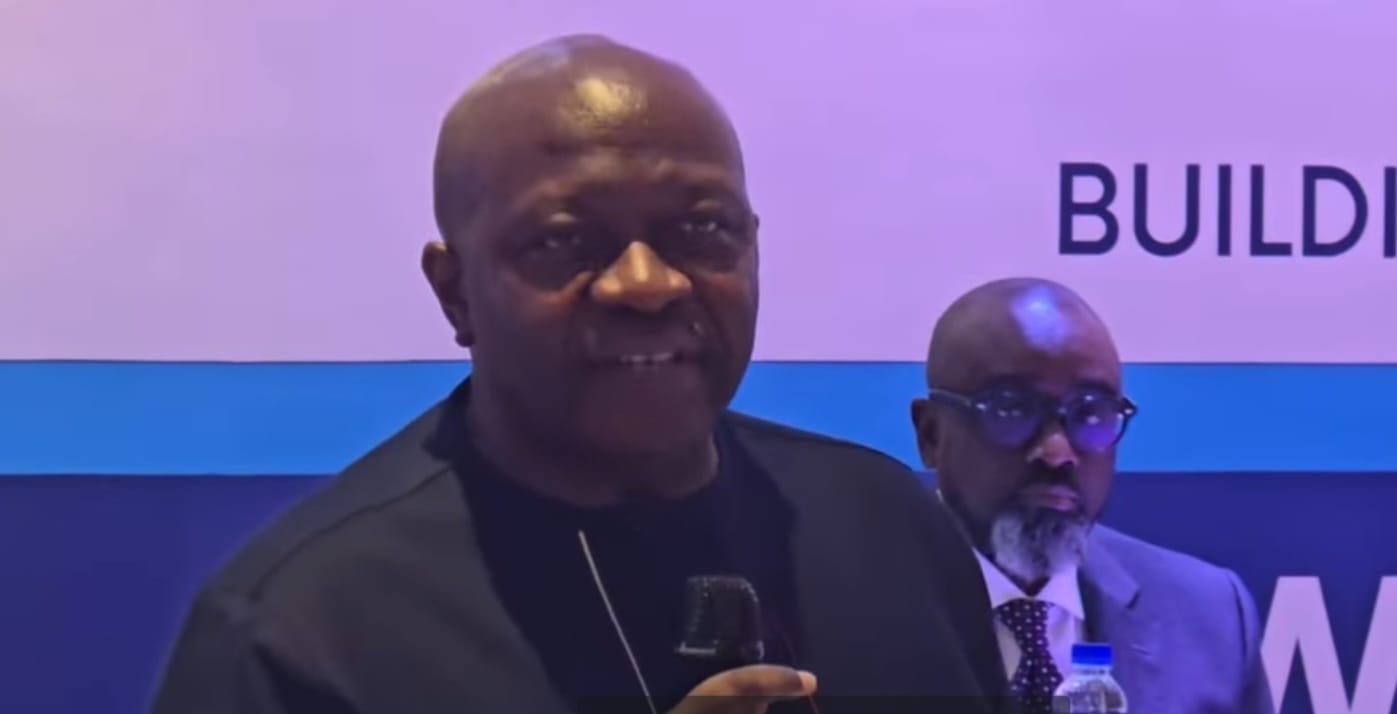
Liberia’s Minister of Finance and Development Planning, Augustine Kpehe Ngafuan, has assured development partners that the government will move “quicker, smarter, and more honestly” to implement projects under the new 2025–2030 Country Partnership Framework.
The (CPF), a strategy designed to accelerate economic growth, expand job opportunities, and strengthen public sector capacity.
Speaking at the official opening ceremony in Monrovia, Minister Ngafuan emphasized the government’s commitment to respecting project timelines an area where Liberia has historically struggled.
According to World Bank data, an estimated 30–40% of major public investment projects in Liberia have experienced delays over the past decade, often tied to weak procurement systems, logistical challenges, and limited technical capacity.
“We will ensure that project timelines are respected. Execution speed will be as important as execution quality,” Ngafuan said, reinforcing government resolve to correct long-standing implementation gaps.
A New Blueprint for Jobs and Shared Prosperity
The CPF, themed “Building Foundations for More and Better Jobs,” aligns closely with the Boakai administration’s ARREST Agenda for Inclusive Development, which prioritizes Agriculture, Roads, Rule of Law, Education, Sanitation, and Tourism.
Minister Ngafuan urged partners to balance job creation with human capacity development, warning that the economy cannot grow sustainably without a skilled workforce.
“We all enjoy opportunities today because of the knowledge and skills we acquired. We must build the same solid foundation for others,” he noted.
Liberia’s job market remains fragile, with youth unemployment estimated at 3.7% and youth underemployment above 60%, according to recent African Development Bank figures.
More than 70% of Liberians are under the age of 35, making skills development a decisive factor for inclusive economic growth.
Agriculture and Energy Take Center Stage
Agriculture, Liberia’s largest employer, contributing 26–30% of GDP was highlighted as a priority sector within the CPF.
Minister Ngafuan praised development partners for recognizing its potential to generate thousands of rural jobs and reduce national food import costs, currently estimated at US$250–300 million annually.
In addition to agriculture, the Minister spotlighted energy affordability and accessibility as critical drivers of private sector growth.
“The private sector is the engine of growth, and affordable energy is the engine of the private sector,” he said.
“We must reduce the cost of electricity and expand access if we want businesses to thrive”, he reechoed.
Liberia currently has one of the highest electricity tariffs in West Africa averaging 45–53 cents per kilowatt-hour, a major obstacle for manufacturing and small businesses.
Infrastructure: The Backbone of Economic Expansion
The Minister emphasized the government’s deliberate focus on roads and public infrastructure, describing them as “enablers of growth and jobs.” Only 20% of Liberia’s road network is paved, a structural challenge that continues to inhibit trade, agriculture, and service delivery across the country’s 15 counties.
Ngafuan hinted that several major projects will be announced under the CPF:
“The people will hear big numbers, but when big numbers are announced, the people expect big impact.”
Strengthening Government Systems and Local Capacity
To enhance coordination and accountability, the Finance Ministry plans to strengthen its Aid Management Unit one of the government’s key oversight departments responsible for donor-funded project tracking.
“We will engage you more so much so that our engagement may even become positively embarrassing,” Ngafuan joked, underscoring a new era of transparency and collaboration.
Partners Applauded for Sustained Support
Minister Ngafuan thanked development partners including the World Bank, The African Development Bank, the EU, USAID, UN agencies, and regional banks, for their continued support.
Donor contributions currently fund over 60% of Liberia’s public investment projects and play a vital role in education, health, agriculture, and governance reforms across the country.
“Your support is helping us launch projects that are improving lives across the 15 counties of Liberia,” he said.
Liberia’s new 2025–2030 Country Partnership Framework sets the stage for a more accountable, job driven, and growth focused development agenda.
With commitments to speed, transparency, and private-sector expansion, Minister Ngafuan’s message signals a renewed push for progress one that development partners will be watching closely as Liberia aims to translate big promises into measurable impact.
Editor’s Note
This article provides in-depth coverage of Liberia’s launch of the 2025–2030 Country Partnership Framework (CPF), a pivotal strategy expected to shape the nation’s development trajectory over the next five years.
As Liberia confronts persistent challenges in project implementation, job creation, energy costs, and infrastructure development, the commitments made by Finance and Development Planning Minister Augustine Kpehe Ngafuan mark a significant moment for both the government and its international partners.
The reporting below examines these commitments within the broader context of Liberia’s economic landscape, offering statistical insights into youth unemployment, agriculture, public investment delays, and the country’s high electricity tariffs.
It also highlights the alignment between the CPF and the Boakai administration’s ARREST Agenda, shedding light on the government’s renewed pledge to transparency, accountability, and accelerated project delivery.
This piece aims to inform policymakers, development partners, researchers, and the Liberian public by presenting a clear and factual analysis of how the CPF could reshape governance and economic growth.
As Liberia takes this next step, scrutiny and sustained public engagement will be vital in ensuring that promises translate into tangible progress across all 15 counties.
