
By: Laymah E. Kollie
The Heavenly Culture, World Peace, Restoration of Light (HWPL) has called on journalists worldwide to move beyond conflict-driven reporting and adopt solutions-oriented storytelling aimed at promoting peace, social tolerance, and human dignity.
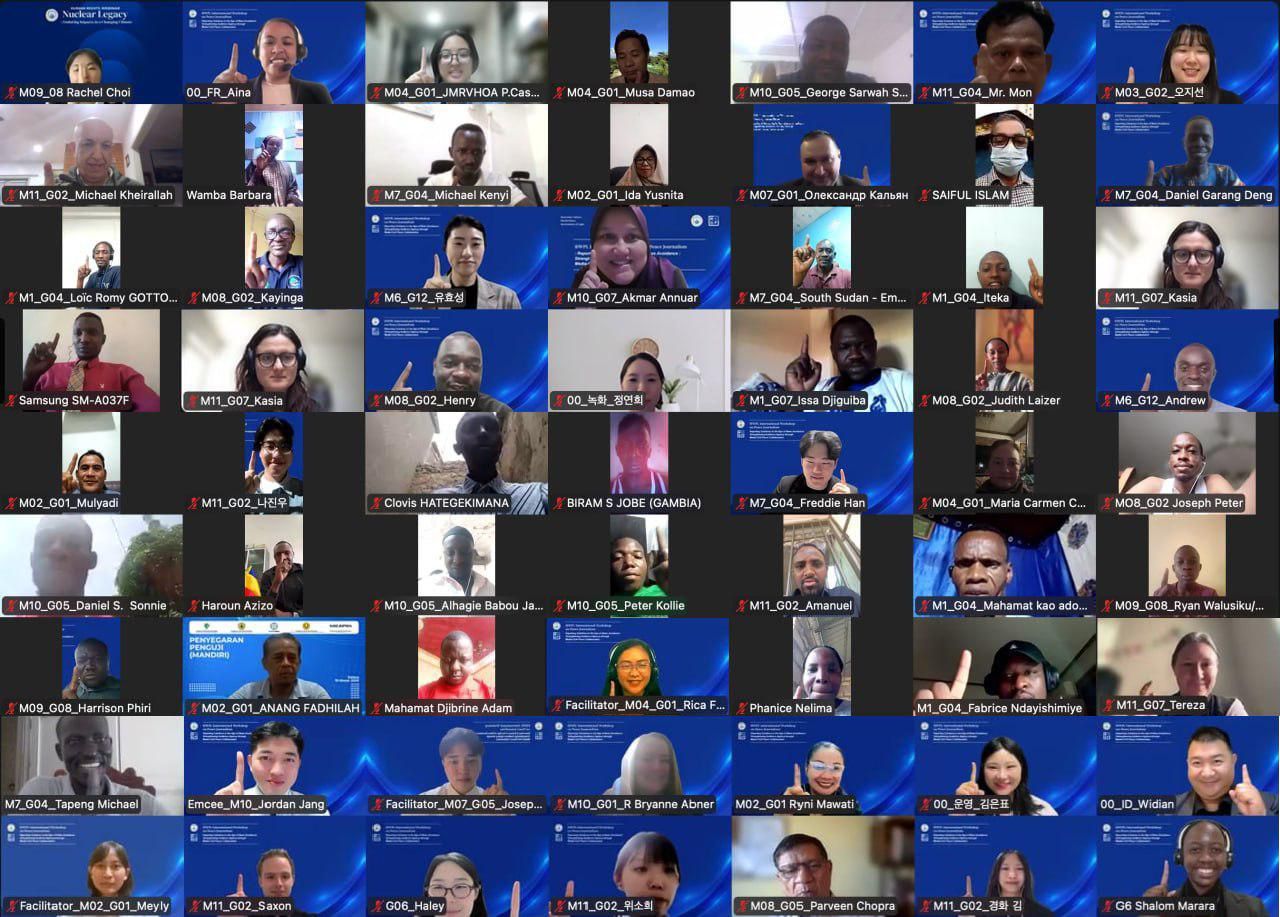
This call was made during the HWPL International Workshop on Peace Journalism Studies, held virtually and attended by approximately 220 journalists from across the globe.
The workshop was convened under the theme, “Reporting Solutions in the Age of News Avoidance: Strengthening Audience Agency through Media-Civil Peace Collaboration.”
Discussions centered on the evolving role of journalism in reducing conflict, addressing the growing trend of news avoidance, and contributing to sustainable peacebuilding efforts.
Participants emphasized that modern journalism must not only inform but also empower audiences by highlighting pathways to conflict resolution and constructive engagement.
The workshop featured presentations from three contributors to Volume 4 of the Journal of HWPL Peace Journalism Studies, each underscoring the importance of shifting narratives toward hope and solutions.
Achmad Yani, a journalist with Indonesia’s Indepthnews.id, presented research examining international media coverage of the Thailand-Cambodia conflict.
Yani noted that media framing significantly shapes public perception, revealing that an analysis of 19 articles from major global outlets showed 64 percent focused primarily on military clashes and political tensions.
In contrast, the humanitarian plight of more than 200,000 displaced civilians received limited attention. Yani advocated for more victim-centered reporting and stronger emphasis on peaceful solutions.
Also speaking was Ida Yusnita of mediabanjarmasin.com, who highlighted peace as a fundamental human right. She argued that peace extends beyond the absence of war and must be rooted in security, equality, and justice.
Yusnita stressed the collective responsibility of governments, civil society, and the media to foster peace through inclusive governance, tolerance, anti-discrimination efforts, and independent journalism.
José Nicolás Arroyo Ramos, a journalist, lawyer, and professor from the Dominican Republic, addressed the impact of today’s digital media landscape on public discourse.
He warned that what he termed “discursive violence”, the spread of emotionally charged and unverified content, can deepen societal divisions by reducing complex issues into polarized narratives.
He presented peace journalism as a viable alternative that prioritizes context, diverse perspectives, and constructive solutions.
Despite being held online, the workshop encouraged active engagement through breakout sessions that explored topics such as hope-driven reporting and the role of positive narratives in conflict coverage.
The event also introduced the Media and Global Peace Platform (MAGP), a Substack-based initiative designed to connect journalists and non-governmental organizations across borders and support the global expansion of peace journalism.
The organizers maintain that the media must be recognized not only as conveyors of information but also as influential actors in shaping public perception and advancing peace.
They have pledged to strengthen international collaboration and expand networks dedicated to the practice of peace journalism worldwide.
