
By: Julius Konton
As Liberia continues to grapple with the legacy of its brutal civil wars, the Executive Director of the Office for the Establishment of the War and Economic Crimes Court of Liberia (OWECC-L), Cllr. Jallah Allen Barbu, has called on civil society organizations (CSOs) to strengthen dialogue, cooperation, and collective action in order to accelerate the country’s long-delayed path toward justice and accountability.
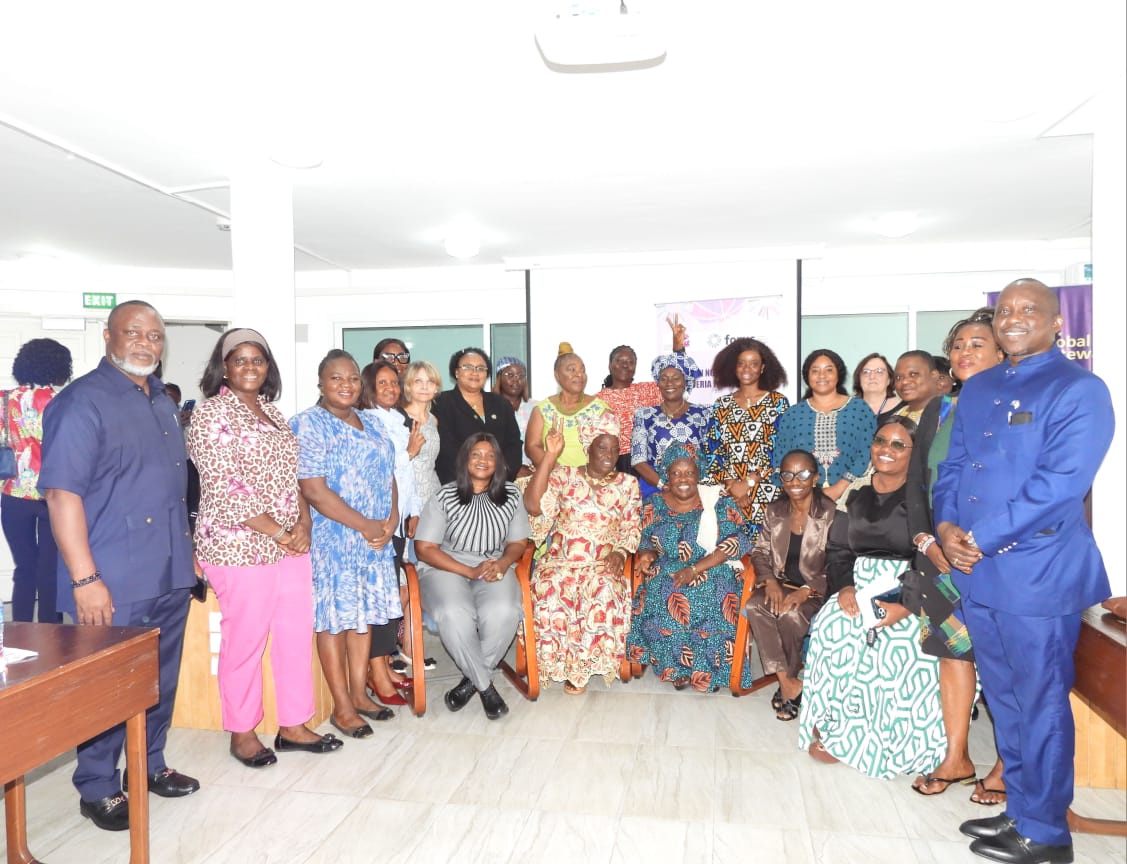
Dr. Barbu made the call on Monday during a European Union supported civil society workshop held at the European Union Delegation to Liberia headquarters in Monrovia.
The event brought together government officials, international partners, women’s groups, and leading civil society actors to examine the enabling environment for CSOs in Liberia.
Civil Society as a Pillar of Democratic Accountability
Addressing participants, Dr. Barbu emphasized that civil society must move beyond fragmentation and competition, and instead cultivate a culture of dialogue, trust, and coordination to maximize impact.
“Civil society organizations must focus on creating an enabling environment that serves the people and strengthens the rule of law,” he said, noting that cooperation among CSOs remains critical in societies emerging from conflict.
Liberia’s 14-year civil war (1989–2003) claimed an estimated 250,000 lives and displaced nearly one-third of the population, according to international humanitarian data. More than two decades later, accountability for war-era atrocities remains a central demand of victims and survivors.
LIMASA and the Fight for Truth and Justice
Dr. Barbu highlighted the sustained advocacy of the Liberia Massacre Survivors Association (LIMASA), describing it as one of the most consistent voices pushing for justice for victims of mass atrocities.
Since the release of Liberia’s Truth and Reconciliation Commission (TRC) report in 2009, LIMASA has championed the full implementation of its recommendations most notably the establishment of a war and economic crimes court.
According to OWECC-L data, civil society-led initiatives have, over the years, identified at least 90 massacre sites across Liberia’s 15 counties.
These efforts have also involved collaboration with local communities, historians, and international partners to document atrocities and memorialize victims, an important step in preserving historical truth and preventing denial.
EU Workshop Highlights Enabling Principles for CSOs
The workshop focused on the European Union’s six enabling principles for civil society organizations, which include respect for fundamental freedoms, access to a supportive legal framework, participation in policymaking, and promotion of social cohesion.
The Head of the EU Delegation, Nona Deprez, joined other speakers in reaffirming the EU’s long-standing support for human rights, democratic governance, and transitional justice in Liberia.
Participants underscored that while Liberia has made democratic gains since the end of the war including five peaceful presidential elections structural challenges remain.
These include limited access to justice, weak institutional capacity, and lingering trauma among survivors.
International Support Seen as Critical
Dr. Barbu stressed that sustained international engagement will be vital in translating advocacy into concrete legal outcomes.
“The establishment of a credible war crimes court requires not only national will, but also international technical, financial, and political support,” he noted.
As Liberia seeks to turn the page on its violent past, the renewed call for unity among civil society organizations signals a growing consensus: that dialogue, cooperation, and collective advocacy are essential to delivering long-awaited justice for victims and to strengthening the country’s democratic future.
