
By: Julius Konton
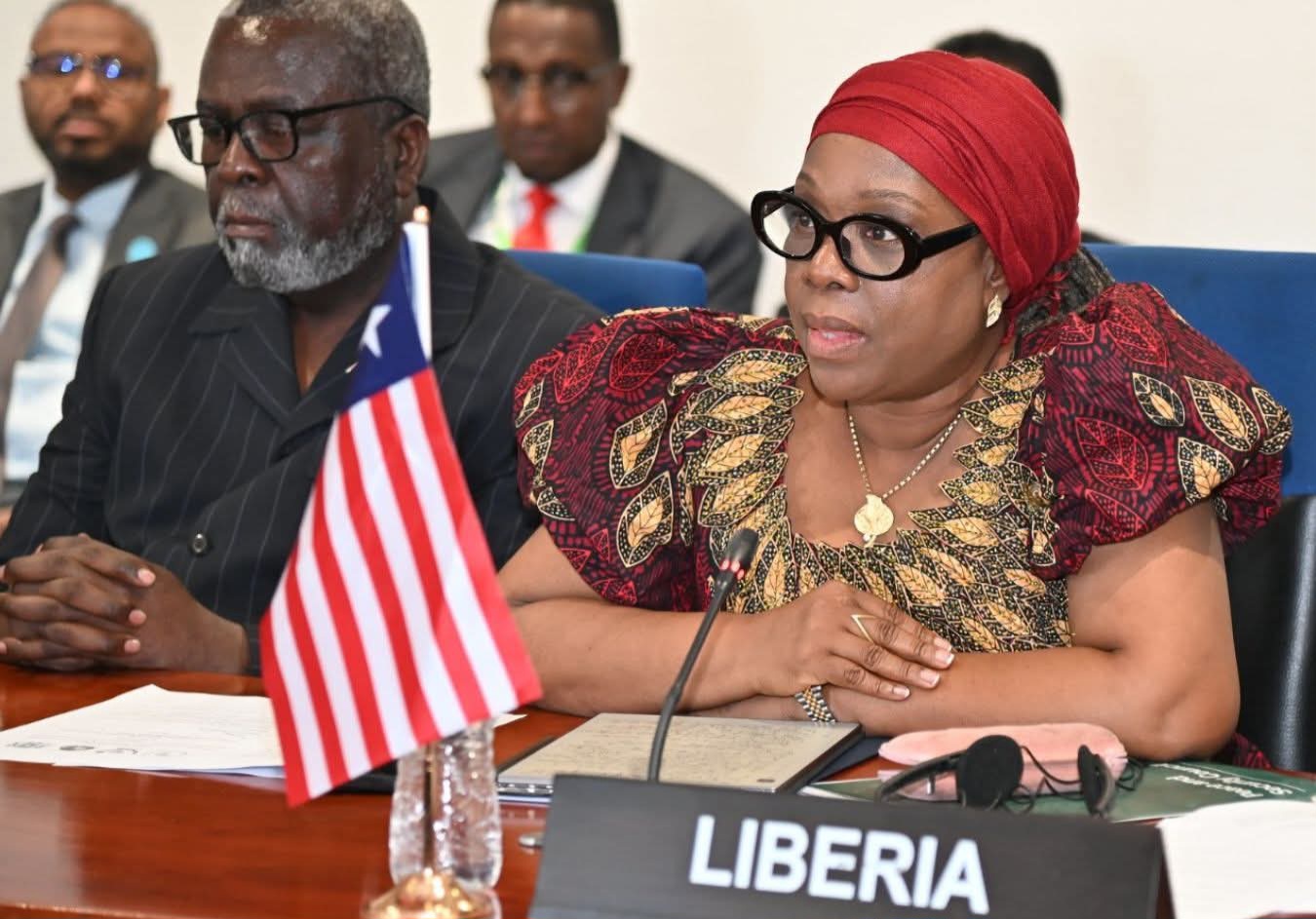
Africa has renewed its push for meaningful influence in global governance, as Liberia’s Foreign Affairs Minister, Sara Beysolow Nyanti, delivered a forceful appeal for structural change at the 6th Ministerial Meeting of African Members of the United Nations Security Council, held in Addis Ababa.
Addressing foreign ministers and senior diplomats from across the continent, Nyanti challenged the long-standing marginalization of Africa within the United Nations Security Council, urging African states to transition from passive participation to decisive leadership in shaping the future of the United Nations and the global order.
“Africa must not be treated as merely an agenda item at the Security Council,” Nyanti declared.
“Africa must influence and shape the UNSC and the future of the United Nations itself.”
Her remarks struck a chord amid growing continental frustration over Africa’s limited representation in the world’s most powerful security body.
A Continent Underrepresented, Yet Overrepresented in Crises
Africa accounts for 54 of the United Nations’ 193 member states nearly 28 percent of the global body yet holds no permanent seat on the Security Council.
Instead, the continent is allocated just three non-permanent seats, elected on a rotating basis for two-year terms, with no veto power.
Paradoxically, Africa remains the region most frequently discussed at the UNSC, with over 60 percent of Council resolutions in the past two decades focused on African conflicts, peacekeeping missions, and sanctions regimes.
Today, more than half of all UN peacekeeping operations are deployed on the African continent.
“This imbalance,” Nyanti emphasized, “undermines the legitimacy, fairness, and effectiveness of global security governance.”
Liberia’s Voice and a Legacy of Multilateral Engagement
Liberia’s intervention carries symbolic weight.
As Africa’s oldest republic and a founding member of the United Nations, Liberia has long championed multilateralism, international law, and collective security.
Liberia itself has experienced both the costs of global inaction and the benefits of international cooperation, hosting one of the UN’s largest peacekeeping missions during its post-war recovery.
That history, Nyanti noted, gives African nations moral authority to demand reforms that reflect contemporary global realities.
Africa’s Longstanding Call for UNSC Reform
The push echoed the Ezulwini Consensus and the Sirte Declaration, Africa’s unified positions adopted in the mid-2000s, which demand:
At least two permanent seats for Africa on the Security Council
Five non-permanent seats
Full veto powers, should the veto remain in use
Two decades later, those demands remain unmet, despite repeated acknowledgments by global powers that the Council’s structure reflects post–World War II geopolitics, not 21st-century realities.
A Shift from Margins to the Center
Nyanti’s address signaled a broader strategic shift among African states from reactive diplomacy to coordinated assertiveness.
Observers note that Africa’s growing economic weight, youthful population, and expanding diplomatic alliances place the continent in a stronger position to press for reforms.
By 2050, Africa is projected to account for one-quarter of the world’s population, further intensifying calls for governance systems that reflect demographic and geopolitical realities.
“The future of multilateralism,” Nyanti argued, “cannot be built without Africa at its core.”
A Defining Moment for Global Governance
As debates over UNSC reform gain renewed momentum amid global conflicts and rising geopolitical fragmentation, Africa’s message from Addis Ababa was unmistakable:
legitimacy, effectiveness, and peace require inclusion.
Whether the call translates into concrete reform remains uncertain.
But one thing is clear the continent is no longer content with symbolic participation.
Africa, Liberia’s foreign minister insisted, is ready not just to be discussed but to decide
