





By: Julius Konton
Liberia’s Finance and Development Planning Minister, Augustine Kpehe Ngafuan II, has issued a strong call for accountability, efficiency, and performance-driven reforms in the management of donor-funded projects, warning that failure directly undermines national development and burdens future generations with debt.
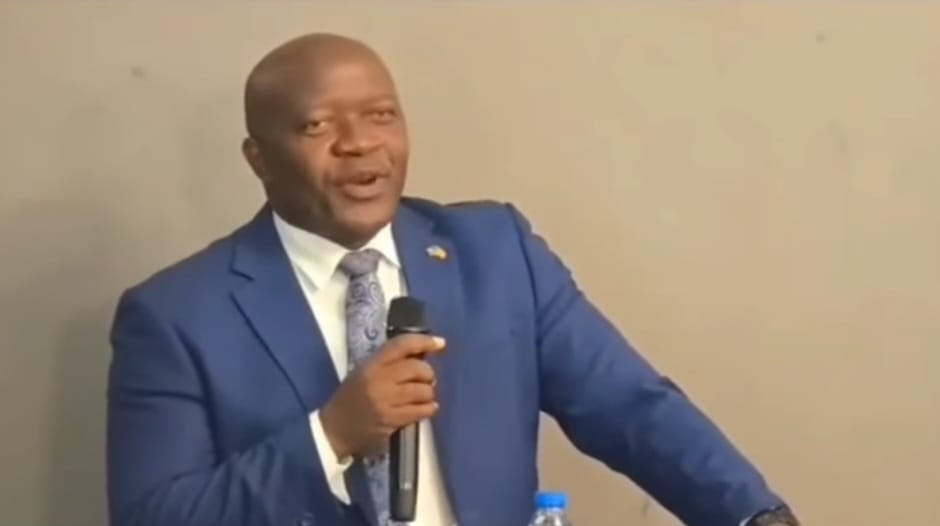
Speaking at the 2026 Country Portfolio Performance Review (CPPR) Workshop, jointly organized by the Government of Liberia and the African Development Bank Group at the Mamba Point Hotel, Ngafuan emphasized that externally financed initiatives must be treated as national assets not foreign aid.
“When these projects succeed, the Liberian people succeed. When they fail, the Liberian people fail,” he stated.
A $350 Million Portfolio Under Scrutiny
Liberia’s partnership with the African Development Bank (AfDB) currently spans 17 active projects, with a total portfolio valued at over $350 million, targeting critical sectors including:
Road infrastructure
Electricity and energy access
Agriculture and food security
Public financial management reforms
The AfDB remains one of Liberia’s largest development partners, playing a pivotal role in the country’s post-war recovery since the end of the Second Liberian Civil War.
According to government data, Liberia has made progress in improving project performance.
The proportion of “flagged” or underperforming projects has declined from 47% to 32%, a notable improvement, but still above acceptable thresholds for development efficiency.
“Thirty-two percent is still not comfortable. We must move toward globally acceptable performance levels,” Ngafuan stressed.
Loans, Not Gifts: A Critical Mindset Shift
Ngafuan underscored a widespread misconception about donor-funded projects, clarifying that the majority are financed through concessional loans, not grants.
These loans, typically characterized by:
Low interest rates
Long repayment periods (often up to 40 years)
still represent future financial obligations for Liberia.
“When people hear ‘World Bank’ or ‘African Development Bank’ projects, they detach themselves. But these are the Liberian people’s money,” he said.
Failure to meet repayment obligations, he warned, could lead to international sanctions and reduced access to future financing, a concern for many developing economies reliant on multilateral support.
Delays and Bureaucracy Slowing Development
A major challenge identified at the CPPR workshop is the slow pace of project implementation, particularly in the transition from approval to execution.
Ngafuan highlighted several systemic bottlenecks:
Lengthy legislative ratification processes
Delayed project effectiveness conditions
Slow administrative approvals
Weak coordination among government entities
He cited a domestic resource mobilization project that took nearly a year to pass through approval stages delaying its impact on national revenue systems.
“You launch the project, you make big speeches but you are not moving,” he remarked.
“Commission More, Break Ground Less”
In a striking critique of ceremonial culture, Ngafuan called for a shift from symbolic project launches to tangible results.
“I prefer attending commissioning ceremonies over groundbreaking events,” he said.
“A project designed for four years that takes eight years is delayed development.”
Such delays, he noted, increase costs, reduce impact, and slow Liberia’s broader economic transformation.
Incentives and Accountability: A New Reform Agenda
To address inefficiencies, the Finance Minister proposed a performance-based management system, including:
Key Reform Measures:
Performance incentives and bonuses for project managers who meet deadlines
Contractual accountability mechanisms tied to results
Penalties for poor performance and delays
Sanctions for ineligible expenditures and mismanagement
“We must incentivize performance. Those who deliver should be rewarded and those who don’t must see the difference,” Ngafuan asserted.
He acknowledged that current compensation structures may not align with national development goals, calling for innovative contract frameworks to motivate efficiency.
From Post-War Recovery to Sustainable Development
Liberia’s development trajectory has been heavily supported by international partners since the early 2000s, with institutions like the African Development Bank Group and the World Bank financing infrastructure, governance, and social programs.
However, experts note that project execution efficiency remains a key determinant of whether such investments translate into measurable improvements in:
GDP growth
Employment
Infrastructure access
Poverty reduction
With Liberia aiming to accelerate its transition from fragile state to stable developing economy, improving project delivery timelines has become a national priority.
A Call for Collective Responsibility
Ngafuan concluded with a strong message to government officials, project managers, and stakeholders:
“Whether you are a minister or a manager, you are managing the Liberian people’s money and you will be held accountable.”
He urged all actors from the Ministry of Finance to the Legislature and technical teams to adopt a shared responsibility framework focused on delivery, transparency, and results.


