



By: Issac Solo Kelgbeh
On Tuesday, September 29, 2026, Liberia’s Lone Star fell 0–1 to Mali’s Eagles (Les Aigles) at the Samuel Kanyon Doe Sports Complex. Technically, the defeat, regardless of the margin, effectively ended Liberia’s hopes of reaching PAMOJA 2027, African football’s premier jamboree. Liberia’s persistent struggles in away fixtures remain a major reason why our campaign has hit an impassable wall.
Yes, Liberians showed up. They filled the SKD with hope, unity, and national pride. They put politics aside. They ignored the weather. They answered the call to support the Lone Star because they believed in the red, white, and blue boys. They did the right thing, the patriotic thing — the thing citizens should do.
But sadly, even a victory would have been overshadowed by a preventable embarrassment. Liberia now risks further punishment for fielding an unregistered player for the match. The Government and the Liberia Football Association (LFA) urged citizens to treat the Lone Star as a national symbol, not a “CDC or UP” team. That call was genuine. But the same authorities politicized the national team long before the AFCON 2027 qualifying draw was even made.
Why did Liberia field an unregistered player on home soil? The answer is one word: Politics.
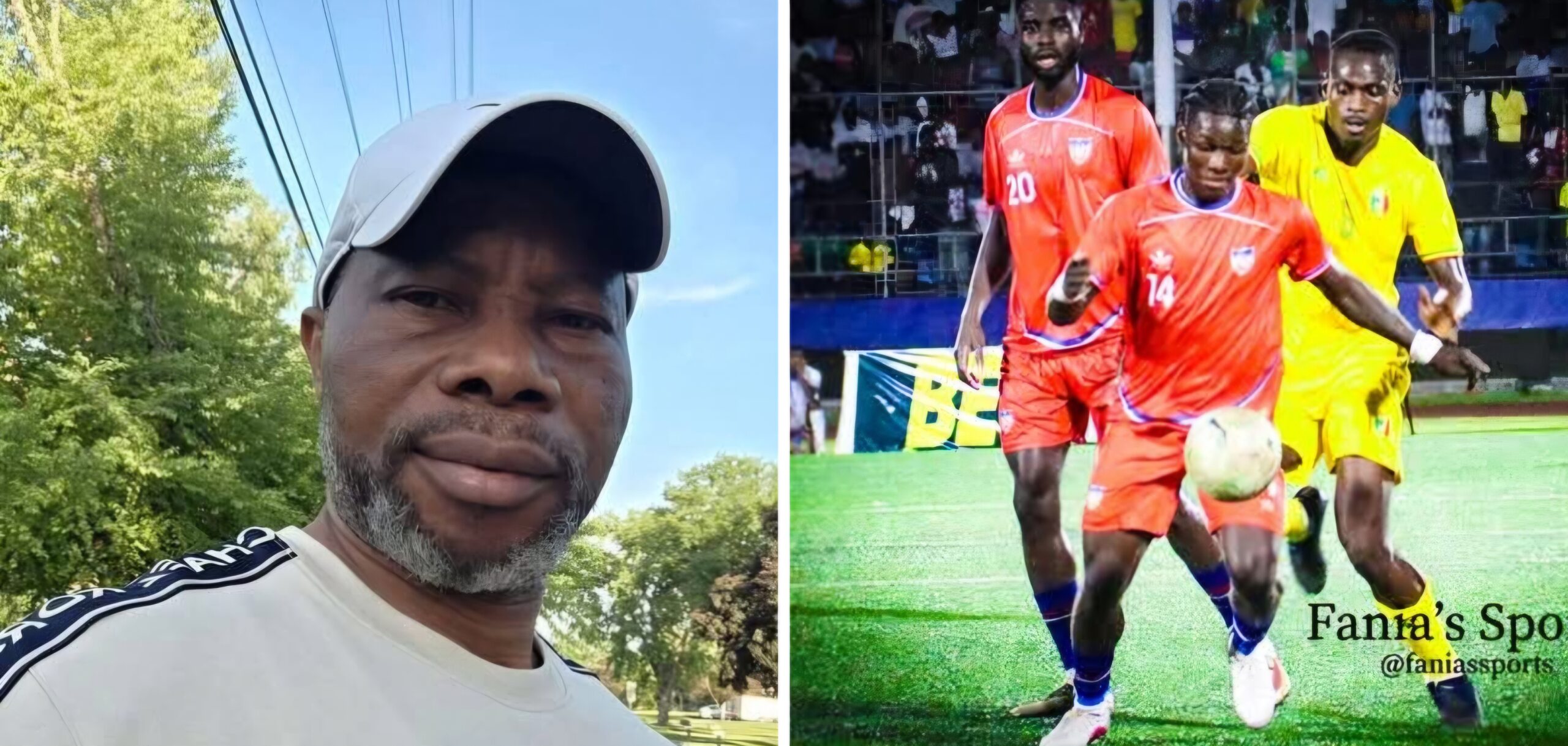
The LFA registered Emmanuel Flomo as player wearing #25 for the Liberia vs Mali match. Yet on the field, Liberia used a player wearing #14 (a late substitute), a number not register on the match sheet. This was flagged by international commentators.
Jersey #14 was retired in 2018 in honor of Africa’s only Ballon d’Or winner, George Manneh Weah, according to the LFA’s own 2019 report. No explanation can justify secretly fielding a player in a jersey that was never registered. It is shameful.
When the Unity Party took power, some partisans immediately began undoing previous decisions, even when doing so meant refusing to do the right thing. Despite the LFA formally retiring #14, the jersey quietly reappeared. Nicholas Andrews wore it during the 0–1 loss to Tunisia in the 2026 World Cup Qualifier in Monrovia.
Long before that match, LFA Vice President for Administration Sekou Konneh wrote the Ministry of Youth and Sports claiming FIFA rules require national teams to number jerseys from 1–23. He failed to distinguish between tournaments and competitions. The numbering rule applies only to FIFA tournaments such as the World Cup finals. AFCON 2027 will be a tournament. AFCON qualifiers are competitions and do not require the 1–23 numbering system. They are not FIFA tournaments.
Evidence is everywhere:
- Mali’s Ousmane Camara wore #25 on Tuesday.
- In Rwanda, Liberia’s Emmanuel Flomo wore #25 and Samuel Dweh wore #24.
- Rwanda’s Phamuel Kavita and Gilbert wore #25 and #24 respectively.
FIFA even granted Argentina permission to retire the #10 jersey in honor of Diego Maradona at the 2002 World Cup. Goalkeeper Roberto Bonano wore #24 instead. Later, Argentina chose to return the #10 jersey for future world cup tournaments.
If the Government or LFA wishes to bring back the #14 jersey from “retirement”, they have the right to do so formally. But it must not be done in a “thief-like” manner.
Doing the right thing is always the right thing to do. Practice what you preach, don’t preach what you refuse to practice.


