
By: Julius Konton
Liberia’s Ministry of Mines and Energy has undergone a day-long evidence-based evaluation under the Government’s 2026 Performance Management and Compliance System, or PMCS, as the administration of President Joseph Nyuma Boakai strengthens efforts to improve institutional accountability, performance and results across the public sector.
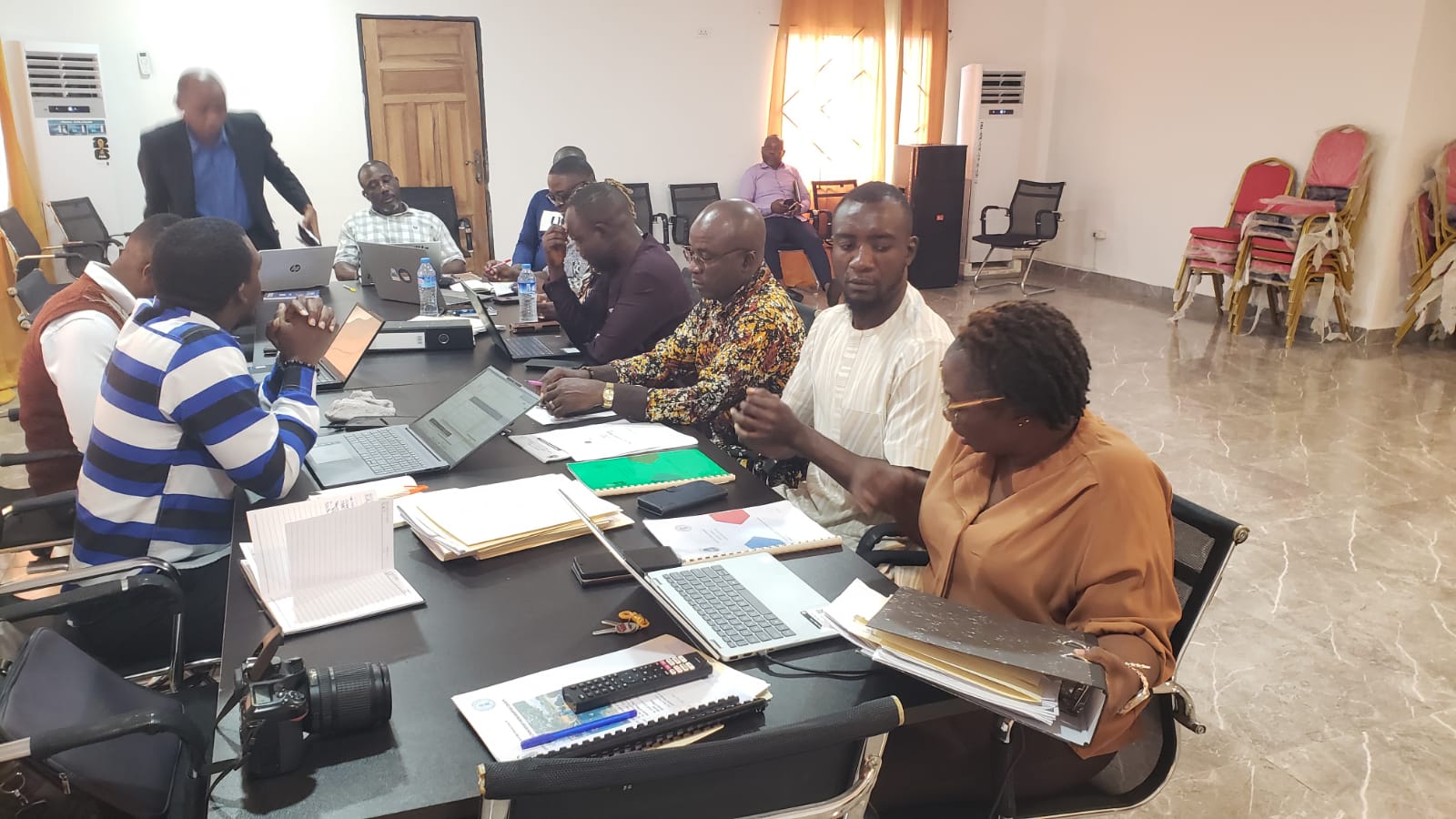
The evaluation, conducted at the Ministry’s headquarters in Monrovia, brought together directors and relevant staff responsible for planning, implementation, monitoring and reporting on the Ministry’s commitments under the government’s ARREST Agenda for Inclusive Development (AAID).
The exercise is being overseen through the Cabinet Secretariat’s performance-management framework, which is designed to hold government institutions accountable for agreed deliverables and measurable development outcomes.
At the center of the assessment was the Ministry’s ability to provide credible evidence of progress in implementing its programs, activities and institutional commitments.
Officials reviewed areas including strategic planning and coordination, service delivery, regulatory compliance, performance measurement, documentation, resource utilization and the implementation of activities linked to national development priorities.
The process also provided the Ministry an opportunity to demonstrate achievements during the reporting period while identifying areas where additional interventions, stronger coordination or improved implementation may be required.
The Ministry of Mines and Energy occupies a strategically important position in Liberia’s economy, with responsibility for the governance, regulation and management of the country’s mining and energy sectors areas with significant implications for government revenue, investment, employment, infrastructure development and broader economic growth.
Against that backdrop, the PMCS evaluation places additional emphasis on whether institutional commitments are being converted into measurable and verifiable results rather than remaining solely within policy documents and annual plans.
The Ministry said the evaluation should not be viewed simply as a compliance exercise but as an opportunity to strengthen internal systems, identify performance gaps and improve public service delivery.
It welcomed the work of the Office of the Director General of the Cabinet and the PMCS framework, saying stronger performance monitoring and institutional accountability are essential to ensuring that government programs produce tangible benefits for citizens.
The Ministry reaffirmed its commitment to improving its systems and processes and ensuring that its work contributes meaningfully to the AAID and Liberia’s broader national development objectives.
