
By: Julius Konton
Liberian President Joseph Nyuma Boakai, Sr. has announced an ambitious four-year reform and expansion program for the Armed Forces of Liberia (AFL), signaling the most comprehensive military overhaul since the force was reconstituted after the country’s civil wars.
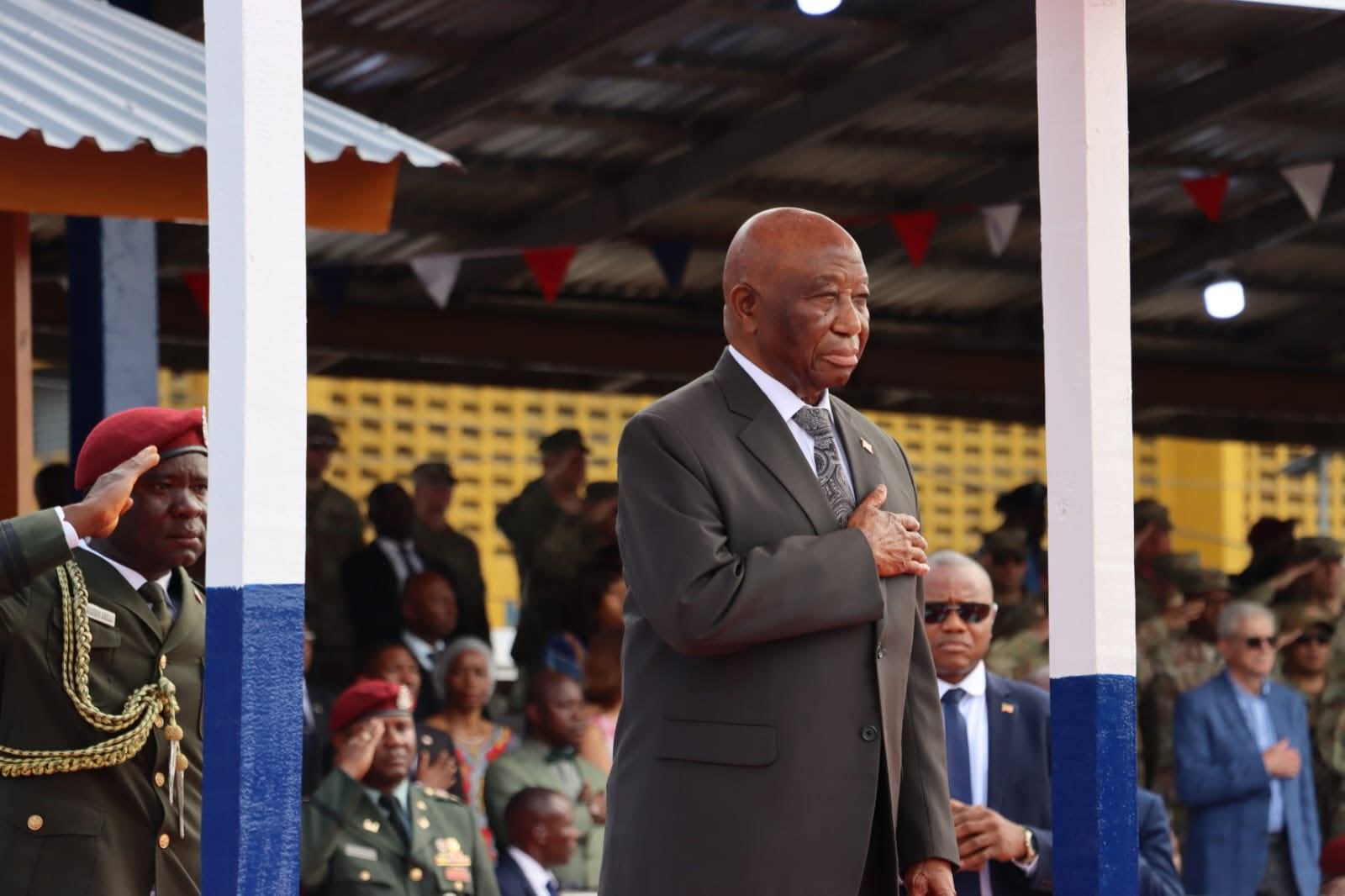
Speaking at the 69th Armed Forces Day celebration at the historic Barclay Training Center in Monrovia, President Boakai outlined a broad agenda encompassing troop expansion, infrastructure rehabilitation, mental health services, welfare improvements, and enhanced gender inclusion within the military.
The ceremony, held under the theme “Securing Liberia Together: Strengthening Inter-Agency Cooperation Against Drug Trafficking and Emerging Security Threats,” came amid rising regional security concerns in West Africa, including transnational crime, drug trafficking, maritime insecurity, and the spillover effects of instability in the Sahel.
Troop Expansion to Address Attrition and New Threats
At the center of the President’s announcement is a phased recruitment drive that will add 2,400 new soldiers to the AFL between 2026 and 2029, with 600 recruits enlisted annually.
The expansion is designed to offset attrition, address the aging profile of the current force, and build a younger, more agile military capable of responding to both conventional defense duties and non-traditional threats.
Liberia’s Armed Forces currently number approximately 2,000–2,500 personnel, a figure widely regarded by security analysts as modest for a country of more than 5.5 million people with extensive land borders and a long Atlantic coastline.
President Boakai said the planned increase would enhance operational readiness while maintaining professional standards.
“The Armed Forces of Liberia remain a pillar of national stability, discipline, and service,” the President said, adding that sustained investment is essential to preserve the gains made since the post-war restructuring of the military in the mid-2000s with international support.
Infrastructure Reforms and Housing Upgrades
President Boakai also announced a renewed push to rehabilitate and expand military infrastructure across the country.
Following recent renovations of barracks in Margibi and Nimba counties, the government will now prioritize Bomi and Maryland counties, regions where facilities have suffered decades of neglect.
Overcrowding and deteriorating housing conditions have long been cited as challenges affecting morale and operational effectiveness within the AFL.
The President instructed the Ministers of National Defense, State, and Public Works to immediately assess conditions and begin renovation or construction where necessary.
“Decent housing is not a luxury; it is central to welfare, dignity, and readiness,” Boakai said.
Mental Health Facility to Serve Soldiers and Civilians
In a move described by health advocates as long overdue, the President announced plans to complete and operationalize a mental health facility at the 14 Military Hospital.
The center will provide specialized psychological and psychosocial services to AFL personnel and, significantly, to the wider Liberian public.
Liberia, still grappling with the long-term psychological effects of civil conflict and public health crises such as Ebola and COVID-19, has fewer than one mental health professional per 100,000 people, according to international health estimates.
The new facility is expected to help bridge this critical gap.
“Effective national defense requires not only physical strength but mental resilience,” the President noted.
Boosting Female Participation in the Armed Forces
President Boakai further announced targeted measures to increase female participation in the AFL, with technical and financial support from the FS Foundation.
Women currently make up an estimated 5–7 percent of Liberia’s military, reflecting broader gender gaps across security institutions in the region.
The initiative aligns with United Nations Security Council Resolution 1325 on Women, Peace, and Security, and aims to foster a more inclusive and representative force.
“A modern military must reflect the society it serves,” Boakai said, emphasizing that women bring essential skills, perspectives, and leadership to national defense.
Regional and International Partnerships Highlighted
The Liberian leader used the occasion to acknowledge longstanding defense partnerships, particularly with Nigeria, whose Chief of Army Staff, Major General Ali Sabu, delivered the keynote address.
Nigeria has played a central role in Liberia’s peace and security, notably through its leadership in the ECOMOG peacekeeping mission during the civil war years.
President Boakai also welcomed Major General Thomas D. Wosser and a Capstone delegation from the United States National Defense University, underscoring continued strategic cooperation with Washington in professional military education and defense reform.
A Military Positioned for Liberia’s Future
As Liberia marks nearly two decades since the formal end of its civil conflict, the President framed the reform agenda as part of a broader national effort to consolidate peace, protect sovereignty, and prepare for future challenges.
“The strength and professionalism of the Armed Forces of Liberia are inseparable from the peace, stability, and future of our Republic,” Boakai concluded, calling on citizens to support the men and women in uniform with the respect and resources their service demands.
