
By: Julius Konton
A wave of mass demolitions carried out by the Government of Liberia has ignited intense national debate, exposing sharp divisions between state-led development ambitions and the daily survival struggles of ordinary citizens.
From informal settlements to long-established communities, hundreds of families have been left homeless, fueling anger, despair, and political backlash both at home and within the Liberian diaspora.
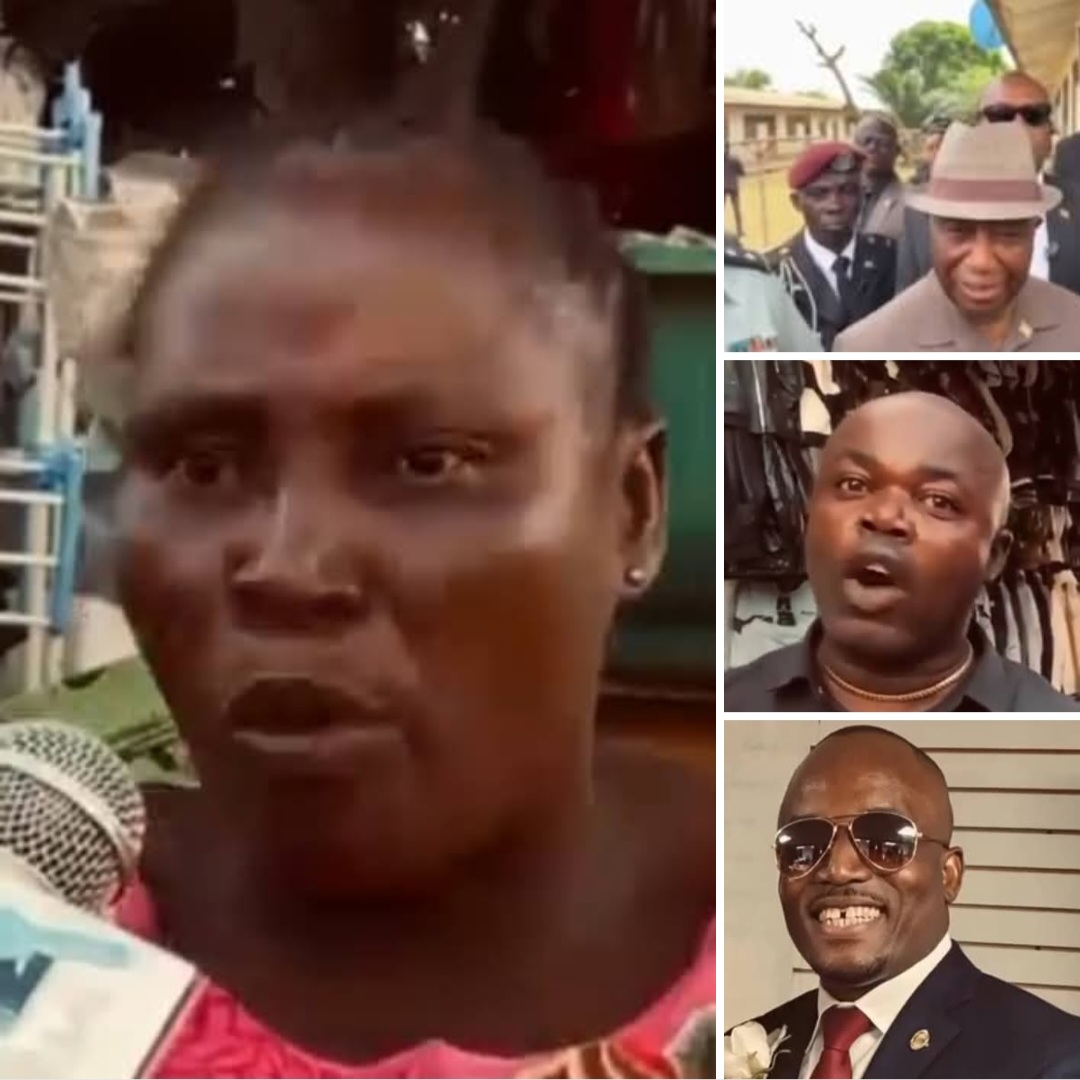
In street interviews conducted across affected communities, displaced residents described the demolitions as “inhumane,” “evil,” and “poorly thought out,” accusing the government of prioritizing authority over people.
“The government is doing nothing, and we are dying. All we see is the breaking down of our homes,” said an elderly man who watched his house reduced to rubble.
Development or Displacement? A Nation Divided
While some Liberians cautiously acknowledge that urban planning and land recovery may be necessary for national development, many question whether the state has the institutional capacity, compensation framework, or social safety nets to manage such actions humanely.
“Demolition is not always bad if it supports development,” said a university graduate in Paynesville.
“But is the government truly ready for development or just destruction?”
Liberia already faces an estimated housing deficit exceeding 500,000 units, according to urban development assessments, while over 70 percent of urban residents live in informal or semi-formal settlements.
Critics argue that demolitions without resettlement plans only worsen an already fragile urban crisis.
Boakai’s Statement Sparks Political Firestorm
Public anger intensified following President Joseph Nyuma Boakai’s remarks defending the demolitions:
“God is not making new land. The place is for the army, and the army is going there to take it back.”
The statement, intended to assert state authority over public land, has instead been widely criticized as dismissive of human suffering.
Social media platforms and radio talk shows have since erupted with condemnation, with many Liberians arguing that the President’s words reflect a militarized mindset rather than compassionate governance.
“Fire is cold compared to this country,” said a displaced woman. “The country is hard , too much tension.
People are being displaced in their own land.”
Economic Hardship Amplifies Public Rage
Liberia is currently grappling with high unemployment, rising food prices, and stagnant wages.
Inflation remains in double digits, while youth unemployment is estimated at over 80 percent in some urban areas.
In such an environment, housing demolitions have become a lightning rod for broader frustrations.
“You talk to people now and for no reason they get angry,” a market vendor said. “Frustration is everywhere.”
A local businessman described the situation more bluntly:
“We are suffering, and the government is suppressing us.”
Media, Politics, and the Blame Game
The crisis has also taken a sharp political turn.
Some citizens have directed their anger toward prominent media figures who supported President Boakai during the 2023 elections.
One woman openly blamed popular talk show host Stanton Witherspoon, accusing him of misleading voters.
“Spoon told us Boakai would rescue us. We are still waiting to be rescued,” she said angrily.
“Things are worse than before.”
Another man added:
“Let the Spoon man come and help us now. He destroyed the past government with words, but today we see nothing only hardship”, thet added.
A Presidency Under Scrutiny
President Boakai, who campaigned heavily on his 42 years of public service experience, is increasingly facing scrutiny from young voters who expected swift economic and social reforms.
“The President has done absolutely nothing to match that so-called 42 years of experience,” a youth activist said.
“We expected solutions, not demolitions.”
Political analysts warn that without transparent land policies, compensation mechanisms, and inclusive urban planning, the demolitions could become a symbol of elite governance detached from grassroots realities.
A Test of Governance and Humanity
Liberia’s history from civil war displacement to post-war land disputes has shown that forced removals without dialogue often deepen instability.
As the government presses ahead with enforcement actions, the demolitions have become more than a housing issue; they now represent a critical test of President Boakai’s leadership philosophy.
At the heart of the controversy lies a fundamental question echoing across the country:
Can Liberia pursue development without destroying the dignity and livelihoods of its people?
For thousands now sleeping under open skies, the answer cannot come soon enough.
