


By: Julius Konton
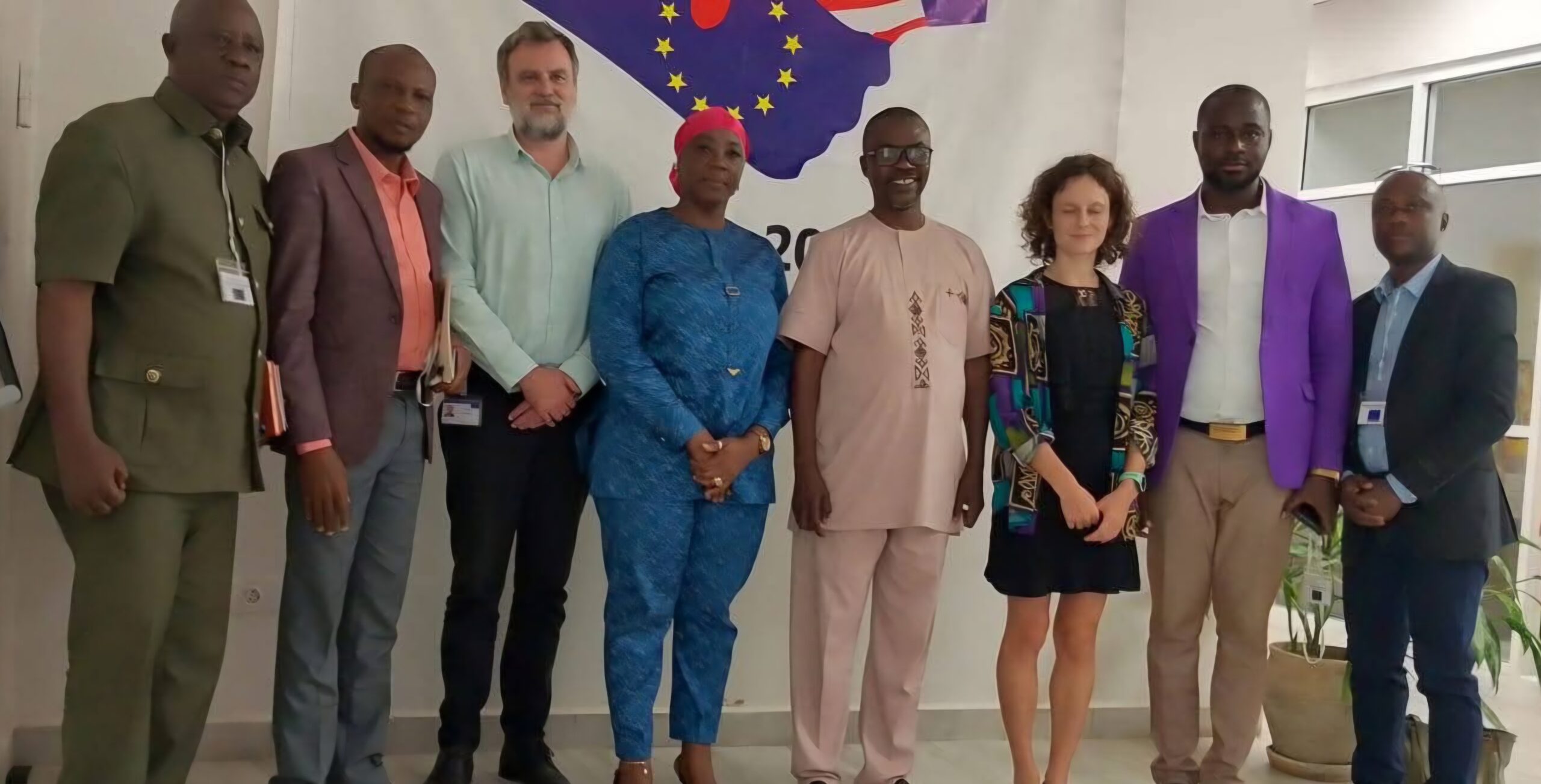
The first high-level interactive engagement between the Director General of Liberia’s National Bureau of Concessions (NBC), Hanson Kiazolu Sr., and key international development partners, the European Union (EU) and the World Bank (WB) is being widely interpreted as a strong signal of renewed global confidence in Liberia’s concessions governance architecture.
The meeting, held shortly after Hon. Kiazolu assumed office, underscores the NBC’s growing strategic relevance in Liberia’s economic recovery agenda and highlights the government’s renewed commitment to transparency, accountability, and international best practices in the management of concession agreements.
Strengthening Credibility and Institutional Trust
Development analysts say such early engagement with multilateral institutions significantly enhances the NBC’s credibility at both domestic and international levels.
The World Bank, which globally commits over US$90–100 billion annually to development financing across infrastructure, natural resources, governance reforms, and private-sector development, places strong emphasis on institutional integrity and regulatory competence.
Similarly, the European Union remains one of the world’s largest development partners, contributing tens of billions of euros annually to governance, climate resilience, and economic reform programs across Africa.
For Liberia, the interaction signals that the NBC is viewed as a credible counterpart capable of managing complex concession frameworks spanning mining, agriculture, forestry, energy, and infrastructure sectors that collectively account for a significant share of national GDP and export earnings.
“This level of engagement projects confidence in the NBC’s leadership and sends a reassuring signal to investors that Liberia is serious about reforming its concessions ecosystem,” a governance expert noted.
Unlocking Investment, Funding, and Technical Support
High-level consultations with institutions such as the EU and World Bank often serve as gateways to technical assistance, policy advisory support, and concessional financing, particularly for countries strengthening regulatory oversight.
Globally, World Bank supported extractive and infrastructure projects have helped improve revenue mobilization by 15–30 percent in reforming economies, while EU-backed governance programs have enhanced contract transparency and compliance monitoring across multiple African states.
For the NBC, such collaboration positions the bureau to:
Strengthen concession contract enforcement
Improve revenue tracking and compliance
Adopt international reporting and environmental standards
Enhance community benefit-sharing mechanisms
According to the NBC’s boss, These reforms are critical to ensuring that Liberia’s natural resources translate into sustainable economic growth rather than lost revenue.
Strategic Positioning and Global Standards Alignment
The engagement also reflects Liberia’s broader alignment with international governance standards, including transparency frameworks, environmental safeguards, and responsible investment principles.
By opening structured dialogue with the EU and World Bank, the NBC places itself in a strategic position to potentially access grants, blended finance, or concessional loans for national projects under its oversight particularly in infrastructure-linked concessions.
Observers say the move reinforces leadership integrity, institutional reform, and national credibility, while elevating Liberia’s standing within the regional and global development community.
A Positive Signal for Liberia’s Economic Future
As Liberia continues to rebuild investor confidence and stabilize its economy, the NBC’s proactive engagement with global partners marks a turning point in concessions governance.
The meeting not only reflects confidence in Hon. Kiazolu Sr.’s leadership but also sends a clear message: Liberia is open for responsible investment, guided by transparency, international standards, and accountable institutions.
For the NBC, the dialogue with the EU and World Bank is more than symbolic, it represents a strategic foundation for sustainable growth, stronger partnerships, and a more credible concessions regime capable of delivering long-term national benefits.
Editor’s Note
This article examines the broader significance of the National Bureau of Concessions’ first high-level engagement with the European Union and the World Bank under the leadership of Director General Hanson Kiazolu Sr., placing the development within Liberia’s wider economic recovery and governance reform agenda.
Beyond the symbolism of early diplomatic outreach, the analysis highlights how such interactions are commonly viewed by investors and development partners as indicators of institutional credibility, regulatory seriousness, and political will.
By situating the meeting within global development financing trends and international governance benchmarks, the article underscores why renewed confidence in concessions oversight matters for a resource-dependent economy like Liberia.
It also reflects an emerging narrative: that transparent, accountable management of concession agreements is central to unlocking sustainable investment, improving revenue performance, and strengthening public trust.
Readers are encouraged to view this engagement not as an isolated event, but as a potential inflection point, one that will ultimately be judged by how dialogue translates into concrete reforms, improved compliance, and measurable national benefits for the Liberian people.


