



By: Julius Konton
The sudden death of the wife of prominent Liberian economist Samuel Jackson has ignited national debate, political tension, and public speculation after the Liberia National Police (LNP) confirmed that the outspoken government critic is currently considered a “person of interest” in an ongoing investigation.
Jackson, known for his persistent criticism of the current administration’s economic policies, returned to Monrovia and voluntarily appeared at the headquarters of the Liberia National Police for questioning following the tragic incident.
Police spokesperson Sam Collins told reporters ahead of Jackson’s arrival that investigators were gathering preliminary facts surrounding the death but stressed that the economist’s status in the case remains limited to that of a person assisting investigators.
“Mr. Jackson is cooperating with investigators and is currently considered a person of interest as the investigation progresses,” Collins said, urging the media to report cautiously while the inquiry remains active.
Quiet Exit From Police Headquarters
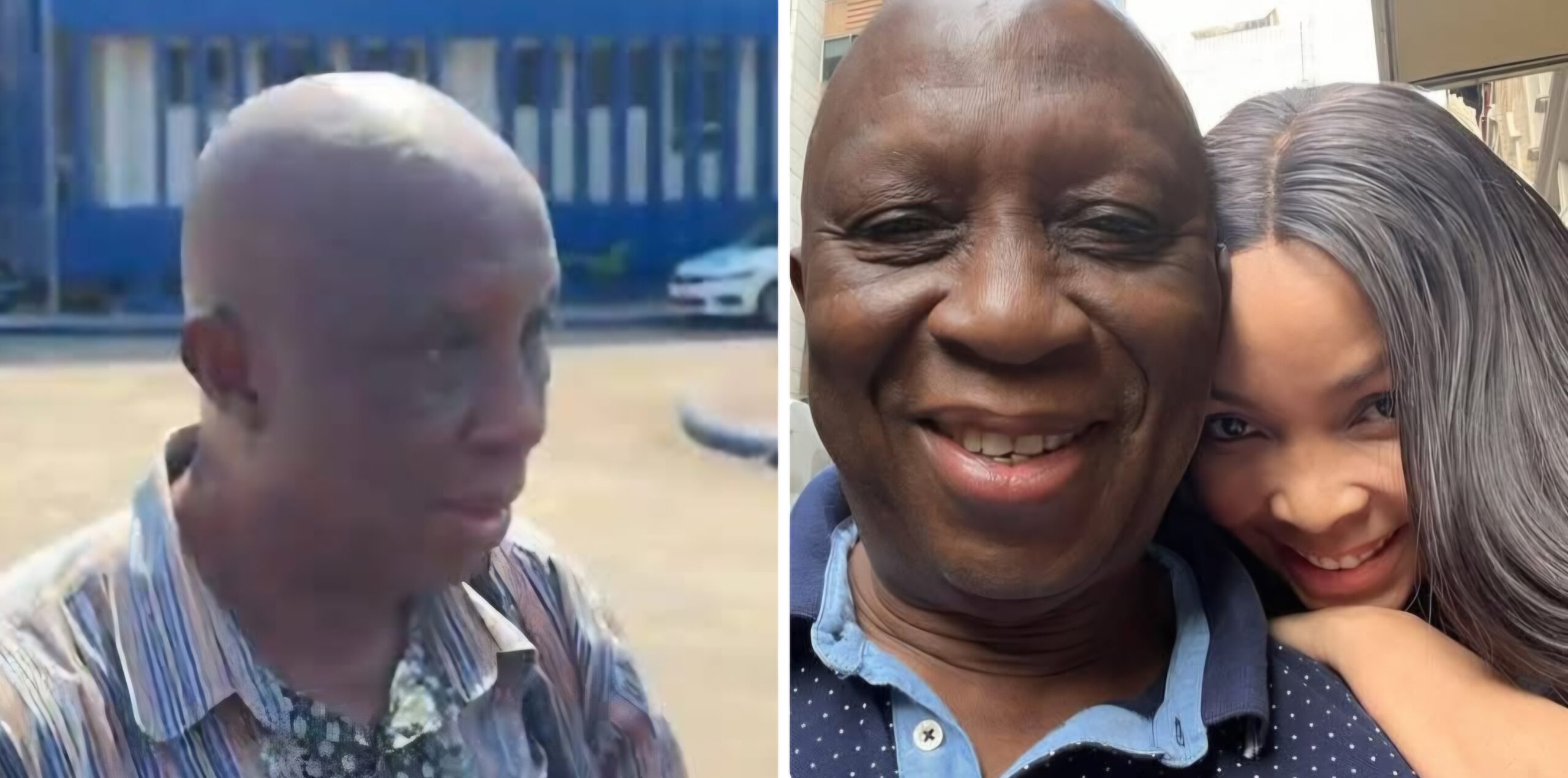
After several hours of questioning, Jackson was seen exiting the police compound carrying a bag and a large bottle of mineral water before entering his vehicle and quietly driving away without addressing the press.
Witnesses at the scene described his demeanor as emotionally strained yet somewhat relieved, reflecting the complex mixture of grief and uncertainty surrounding the investigation.
The police have yet to release details of their initial findings.
Collins cautioned journalists against speculation, emphasizing that only verified information from the police should guide public reporting as investigators continue examining the circumstances of the death.
Dispute Over Initial Handling of the Body
Before presenting himself to authorities, Jackson publicly criticized the police over the manner in which officers allegedly handled the initial examination of his wife’s body.
According to Jackson, officers viewed the body in his presence without a professional pathologist present, an action he described as inappropriate and deeply upsetting given the seriousness of the situation.
He also disclosed that his wife reportedly had a medical history of seizures or epilepsy, a factor that could potentially be relevant in determining the cause of death.
Authorities have not yet confirmed whether medical records support this claim.
A Death Shrouded in Uncertainty
Mrs. Jackson was reportedly found dead in the bathroom of the couple’s residence, though officials have not publicly confirmed the precise circumstances leading to the discovery.
Liberia’s forensic capacity remains limited compared to global standards.
According to justice sector assessments by international partners, Liberia has fewer than a handful of trained forensic pathologists, often requiring external collaboration for complex cases.
As a result, final determination of the cause of death may depend heavily on a formal autopsy and pathology report, which has not yet been released.
Political Undercurrents
What might otherwise have remained a private tragedy has quickly evolved into a politically charged issue due to Jackson’s outspoken criticism of the current government.
The economist has repeatedly accused the ruling Unity Party administration of misleading voters during the election campaign and failing to deliver meaningful economic reforms since assuming power.
Liberia, a nation of roughly 5.5 million people, continues to struggle with severe economic pressures.
According to World Bank estimates:
Over 50% of Liberians live below the national poverty line.
Youth unemployment remains among the highest in West Africa.
Inflation and currency fluctuations continue to strain household incomes.
Jackson has frequently argued that government economic policies have failed to address the “bread and butter” realities of ordinary Liberians, often contrasting current conditions with those during the administration of former President George Weah.
In recent commentaries, he accused the current leadership of implementing policies that have increased hardship, including controversial demolition campaigns that reportedly displaced vulnerable communities.
He has vowed to remain vocal, insisting that public officials must be held accountable for their promises.
Opposition Voices Demand Independent Probe
The controversy deepened after Mulbah Morlu, chairman of the civil advocacy movement STAND, called for an independent and impartial investigation into the circumstances surrounding Mrs. Jackson’s death.
Morlu emphasized that transparency is particularly important given that the deceased is reportedly a foreign national, a factor that could attract international scrutiny if questions remain unresolved.
“An independent investigation is essential to guarantee credibility and ensure justice,” Morlu said in a statement.
Civil society groups have echoed similar concerns, arguing that Liberia’s justice system must demonstrate professionalism and transparency in sensitive cases.
A Country Familiar With Political Controversy
Liberia’s political environment has historically been highly polarized.
Since the end of the Second Liberian Civil War, public trust in institutions has slowly rebuilt, but controversies involving political figures often trigger intense national debate.
Analysts say the Jackson case sits at the intersection of personal tragedy, political rivalry, and institutional credibility, making it particularly sensitive.
“The investigation must be transparent,” said one political analyst in Monrovia. “Any perception of political interference could deepen existing divisions.”
Waiting for the Autopsy
For now, the truth behind Mrs. Jackson’s death remains uncertain.
Authorities say only the official pathology report will determine the actual cause of death, which could range from natural medical complications to other possibilities currently under investigation.
Until then, the case continues to generate intense public interest, with social media speculation and political commentary fueling debate across Liberia.
Meanwhile, Samuel Jackson remains a grieving husband yet also a central figure in one of the country’s most closely watched investigations in recent months.


