



By: Julius Konton
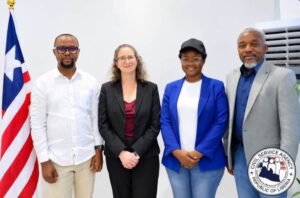
The Asset Recovery Inter-Agency Network for West Africa (ARINWA) has concluded a high-level working mission in Liberia’s capital, Monrovia, marking a significant step in the country’s efforts to strengthen asset recovery mechanisms, combat financial crimes, and align with global anti-money laundering standards.
The multi-day mission brought together senior government officials, prosecutors, judicial authorities, and financial investigators in a coordinated push to bolster Liberia’s legal and institutional framework for the seizure and confiscation of criminal assets.
The consultations come at a crucial time as Liberia prepares for the Third Round Mutual Evaluation under the regional anti-money laundering regime, an assessment that will measure the country’s compliance with the Financial Action Task Force (FATF) recommendations, the global benchmark for combating money laundering, terrorist financing, and illicit financial flows.
According to the United Nations Office on Drugs and Crime (UNODC), criminal proceeds account for an estimated 2–5% of global GDP annually, equivalent to between US$800 billion and US$2 trillion.
Yet globally, less than 1% of illicit financial flows are recovered, highlighting the critical importance of strengthening asset tracing and confiscation systems.
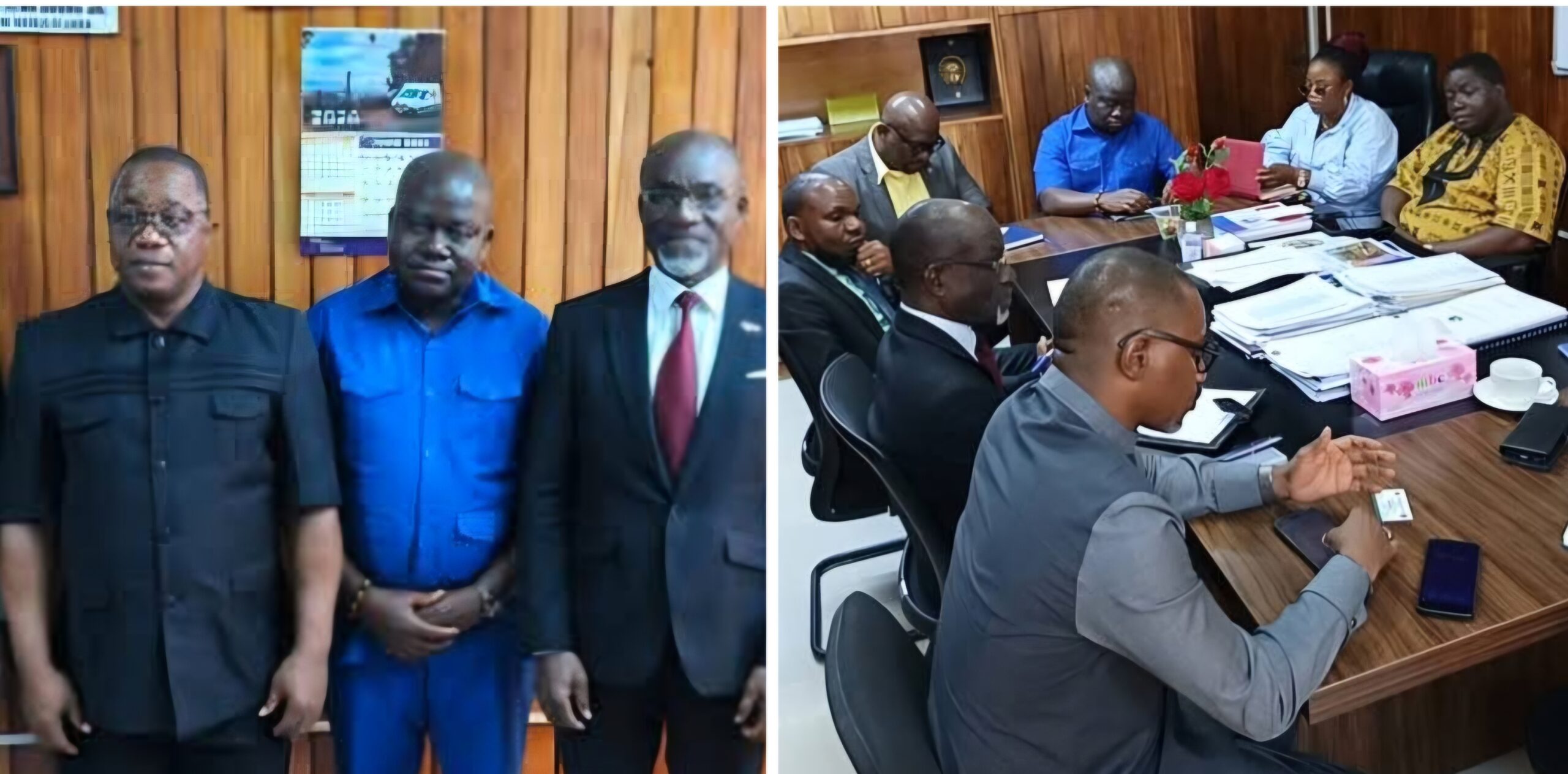
ARINWA’s mission began with a strategic audience at Liberia’s Ministry of Justice, where discussions with senior officials, including representatives of the Attorney General’s office, focused on the network’s regional mandate and Liberia’s legislative gaps in asset seizure and confiscation.
The talks emphasized the urgent need for Liberia to adopt a comprehensive legal framework that would allow for the effective freezing, seizure, and confiscation of proceeds of crime.
Officials also explored the institutional anchoring of a future independent asset management agency, designed to manage confiscated assets transparently and efficiently.
Asset recovery has become a growing priority across West Africa, where corruption, drug trafficking, cybercrime, and transnational organized crime continue to drain state resources.
The African Union estimates that Africa loses nearly US$88.6 billion annually to illicit financial flows, representing about 3.7% of the continent’s GDP.
In separate consultations with Liberia’s Ministry of Finance and Development Planning, ARINWA highlighted the economic significance of recovered assets, noting that effective confiscation systems could provide governments with additional domestic revenue while strengthening fiscal accountability.
The Finance Ministry discussions also addressed funding models for the proposed asset management structure, its operational autonomy, and Liberia’s financial contribution to sustaining ARINWA as a regional cooperation mechanism.
Senior magistrates and prosecuting authorities were also engaged during the mission, where emphasis was placed on initiating asset seizure at the earliest stages of criminal investigations, an approach widely recognized as essential in preventing suspects from dissipating illicit wealth before conviction.
Experts noted that countries with stronger confiscation regimes, such as the United Kingdom and Italy, have recovered billions of dollars in criminal assets over the past decade through aggressive early intervention strategies.
A key component of the Monrovia visit was a technical roundtable involving ARINWA focal points from Liberia’s Central Authority for Judicial Cooperation, criminal investigation agencies, prosecutorial institutions, among others.
The roundtable focused on drafting a post-mission roadmap aimed at establishing Liberia’s first dedicated asset management agency, an institutional reform that analysts say could significantly improve the country’s anti-corruption architecture.
Liberia’s push for stronger asset recovery systems is rooted in a broader governance reform agenda.
Since the end of its civil conflict in 2003, the country has struggled with corruption and weak enforcement systems.
Successive reports have ranked Liberia among countries facing serious corruption perception challenges, underscoring the urgency for structural reforms.
The ARINWA delegation concluded its engagements with a final briefing to Liberian authorities, commending the government’s commitment and outlining next steps for institutional reforms ahead of the FATF evaluation.
Analysts say Liberia’s success in meeting FATF requirements could improve investor confidence, strengthen banking sector credibility, and reduce the risk of international financial restrictions.
For Liberia, the stakes are high: stronger asset recovery laws could not only deter corruption and organized crime but also unlock millions of dollars in recoverable public funds, resources many argue are urgently needed for infrastructure, education, and healthcare.


