



By: Julius Konton
Liberian President Joseph Nyuma Boakai has described the Nigeria–Morocco Atlantic Africa Gas Pipeline (AAGP) as a landmark development capable of transforming the economic and energy landscape of West Africa.
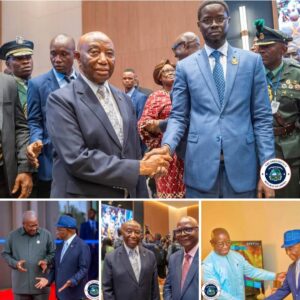
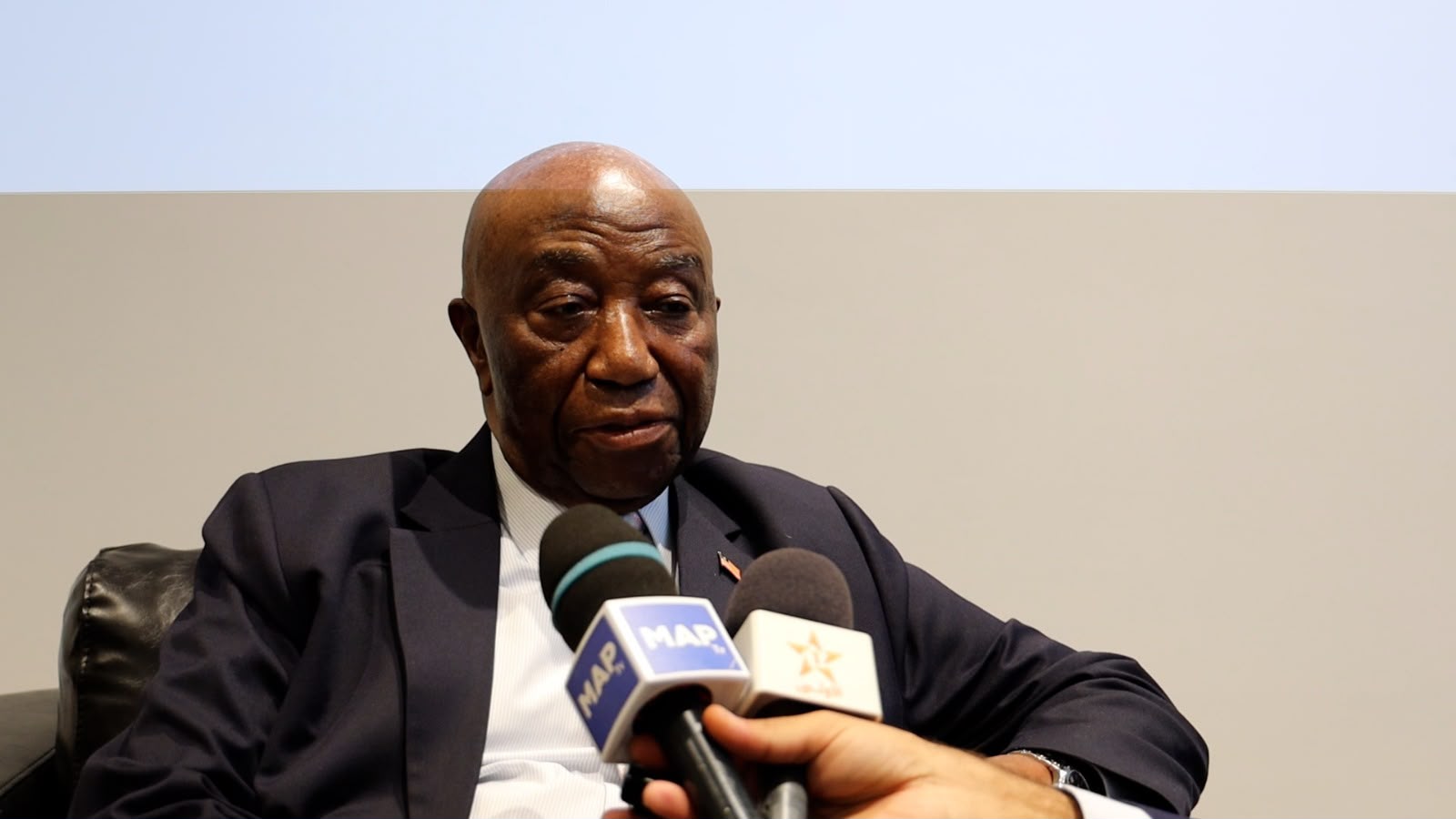
Speaking to journalists on the sidelines of the 69th Ordinary Session of the ECOWAS Authority of Heads of State and Government in Lungi, Sierra Leone, President Boakai said the ambitious cross-border energy project represents far more than a natural gas pipeline.
“This project is not merely about energy; it is a transformative investment in the shared future of the entire region,” President Boakai stated.
The Liberian leader credited the initiative to the vision of King Mohammed VI of Morocco, describing the project as a strategic investment that demonstrates the benefits of African cooperation and regional integration.
President Boakai also expressed Liberia’s appreciation to the Kingdom of Morocco, calling the Atlantic Africa Gas Pipeline “a necessary achievement” that has the potential to unlock new economic opportunities across the region.
He emphasized that the project illustrates what African nations can accomplish when they prioritize collaboration over division.
“The Nigeria–Morocco Atlantic Africa Gas Pipeline is not just an energy project; it is major infrastructure that will stimulate regional economic growth and demonstrate the power of African unity,” Boakai said.
The Atlantic Africa Gas Pipeline is among Africa’s largest proposed energy infrastructure projects.
The pipeline is expected to stretch more than 6,000 kilometers (approximately 5,660–6,800 km depending on the final route) along Africa’s Atlantic coast, connecting Nigeria’s vast natural gas reserves with Morocco while passing through approximately 13 West African coastal countries before linking to Europe’s gas network.
The project is expected to benefit more than 400 million people living across participating countries by expanding access to cleaner energy, supporting industrial development, and improving electricity generation.
It is also designed to strengthen regional energy security while reducing dependence on more carbon-intensive fuels.
The project has been under development since it was announced in 2016, with engineering and feasibility studies progressing in phases.
Nigeria possesses one of the world’s largest proven natural gas reserves estimated at over 200 trillion cubic feet (Tcf) making it a key supplier for the project.
The pipeline is also expected to complement the existing West African Gas Pipeline, which currently supplies natural gas from Nigeria to Benin, Togo, and Ghana.
Analysts say the pipeline could become one of Africa’s most significant regional integration projects by creating new investment opportunities, expanding cross-border trade, generating thousands of jobs during construction and operation, and improving access to reliable energy for industries and households.
The initiative aligns with broader African goals under the African Continental Free Trade Area (AfCFTA) and ECOWAS efforts to promote infrastructure connectivity, economic diversification, and sustainable development across the region.
President Boakai’s endorsement comes as ECOWAS leaders continue discussions on regional economic cooperation, energy security, and infrastructure development aimed at accelerating growth and strengthening resilience across West Africa.


