


By: Julius Konton
Liberia has crossed the US$1 billion threshold in domestic revenue collection for the first time in the country’s 179-year history, marking a significant milestone in the West African nation’s efforts to expand its domestic resource base and reduce dependence on external financing.
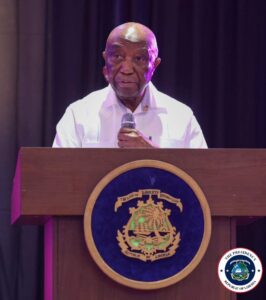
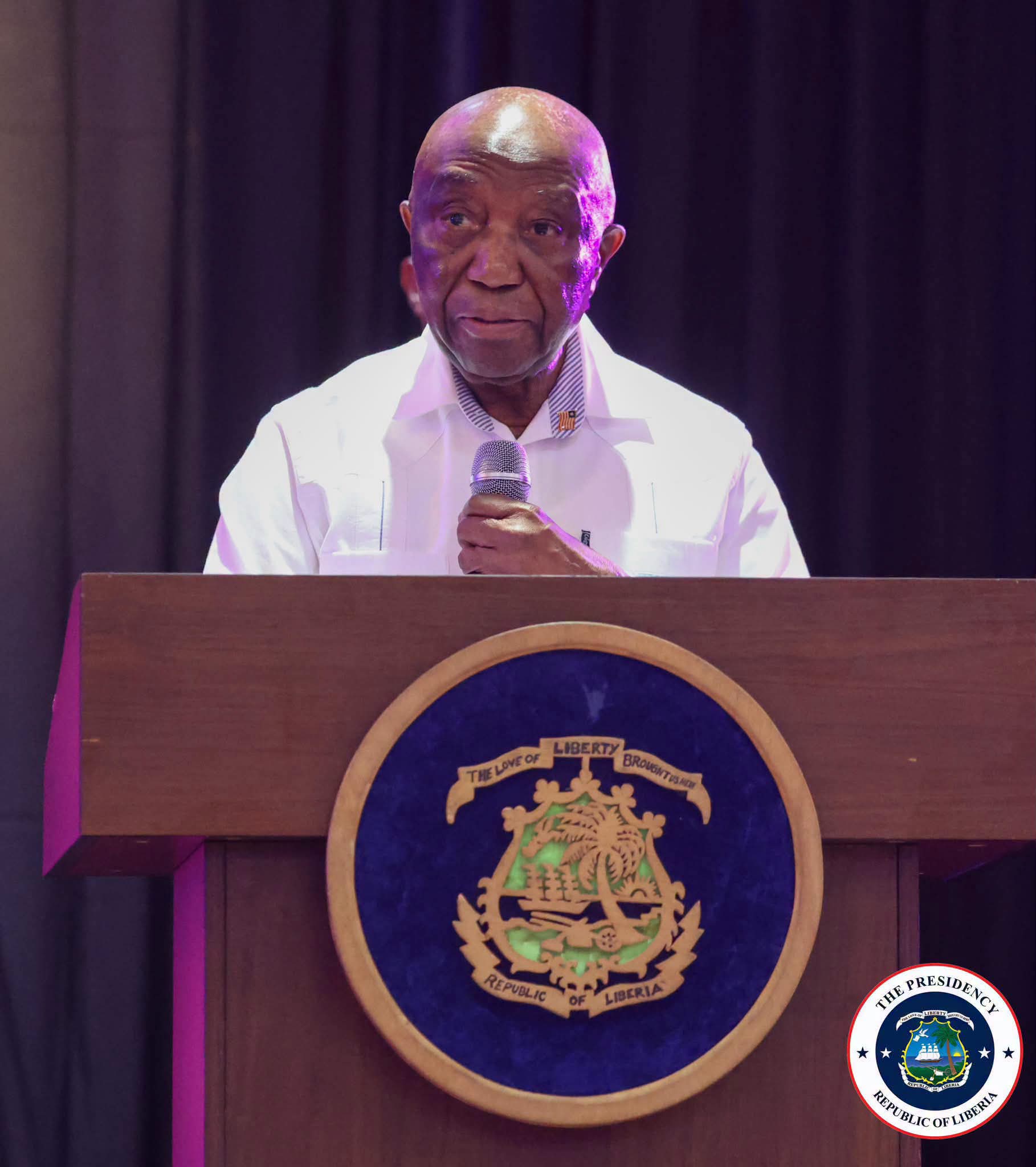
President Joseph Nyuma Boakai, Sr., has welcomed the achievement while cautioning that the milestone should not be treated merely as a statistical accomplishment.
He said every dollar collected represents a contribution from Liberian citizens and businesses and must ultimately translate into measurable improvements in public services and living conditions.
“Behind every dollar stands a Liberian,” President Boakai declared, emphasizing that the government’s responsibility now extends beyond collecting more revenue to ensuring that the resources are managed transparently and converted into tangible national development outcomes.
The President attributed the historic performance to the combined efforts of the Liberia Revenue Authority (LRA), the Ministry of Finance and Development Planning, other revenue-generating institutions, businesses, taxpayers and the broader Liberian public.
The achievement follows a sharp rise in domestic revenue over the past several years.
Collections increased from approximately US$612 million in 2023 to US$699 million in 2024 and about US$848 million in 2025.
The 2025 figure exceeded the approved domestic-revenue target of US$804.6 million by more than US$43 million.
The acceleration continued into 2026. LRA figures showed collections at US$904.7 million by August 18, before rising to US$954.7 million by early September leaving approximately US$45.3 million to reach the US$1 billion threshold.
Government officials subsequently confirmed that the milestone had been crossed in September.
The progression represents a substantial expansion of Liberia’s domestic revenue capacity compared with a decade earlier, when collections were approximately US$464 million in 2014.
President Boakai said the revenue breakthrough was achieved against a challenging international economic backdrop, including disruptions to global trade and supply chains and geopolitical tensions affecting energy and commodity markets.
He said government efforts to maintain supplies of essential commodities, including rice and fuel, and to mitigate price pressures had helped shield households from deeper economic shocks.
The President also linked the revenue performance to his administration’s ARREST Agenda for Inclusive Development (AAID), arguing that stronger domestic mobilization provides the government with greater fiscal space to finance national priorities.
Among the proposed measures is consideration of a dedicated Special Purpose Vehicle (SPV) that could channel a portion of government resources into affordable financing for Liberian-owned businesses and other strategically important sectors of the economy.
According to President Boakai, the increased fiscal capacity should have a direct impact on ordinary Liberians, including market women, students, teachers, health workers, civil servants and small-business owners.
He cited plans and ongoing efforts involving public-sector compensation, education, healthcare, medicines, infrastructure and employment opportunities as areas where increased domestic resources could produce measurable benefits.
The President said previous budgetary resources had already enabled salary adjustments for more than 23,000 public-sector workers and officials across areas including health, public works, security, the Judiciary, the General Auditing Commission and the Liberia Anti-Corruption Commission.
He also highlighted the placement of more than 3,400 long-serving volunteer teachers and health workers on the national payroll, alongside efforts to strengthen the Liberia Drug Enforcement Agency and recruit and train 600 new Armed Forces personnel.
Liberia’s FY2026 national budget was presented at approximately US$1.211 billion, with domestic revenue projected to account for about US$1.13 billion, or 94 percent, while external resources were projected at approximately US$72 million.
The fiscal structure underscores the growing importance of domestic revenue mobilization to Liberia’s ability to finance government operations and development priorities.
The revenue surge has also been accompanied by institutional reforms at the LRA. In August, the Authority launched its 2025–2029 Corporate Strategic Plan, emphasizing stronger taxpayer compliance, digital transformation, improved taxpayer services, better governance, intelligence-led revenue administration and expanded cooperation with businesses and other institutions.
LRA Commissioner General James Dorbor Jallah has repeatedly argued that the significance of the billion-dollar milestone should ultimately be measured by what the money finances rather than by the size of the collection itself.
For President Boakai, the historic collection marks both an achievement and a new responsibility.
He said the additional resources should help improve classrooms and public schools, strengthen the University of Liberia, ensure hospitals have essential medicines, retain doctors, nurses and teachers at their duty stations, support young people with skills and livelihood opportunities, and improve conditions for vulnerable groups.
“Behind every dollar stands a Liberian,” the President reiterated, calling on citizens to remain committed to national development and urging government institutions to ensure that increased revenue is accompanied by transparency, accountability and visible results.
As Liberia moves beyond the US$1 billion milestone and toward its broader 2026 revenue ambitions, the central test will now be whether the unprecedented increase in domestic resources can be translated into stronger public services, improved infrastructure, expanded economic opportunities and better living conditions for citizens.
For a country seeking greater fiscal independence, the billion-dollar milestone represents more than a record in government accounts.
It marks a test of Liberia’s capacity to mobilize its own resources and, ultimately, to demonstrate to taxpayers that the money collected in their name is being transformed into development they can see, use and feel.


