



By: Julius Konton
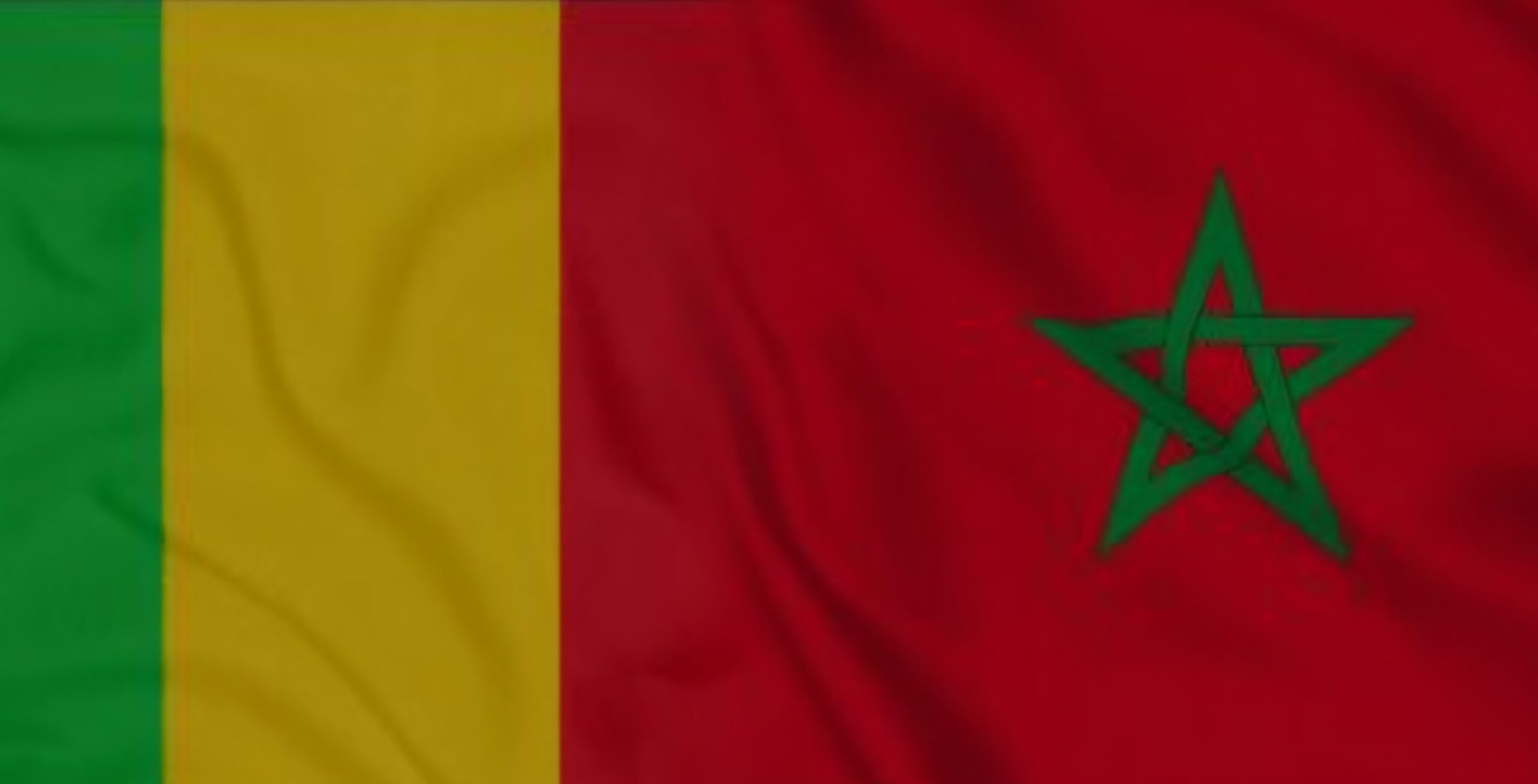
Mali’s Foreign Minister Abdoulaye Diop has welcomed Morocco’s leadership in advancing a new African legal framework aimed at addressing the recruitment and use of children in armed conflicts, describing the initiative as an important instrument developed by Africans for African countries.
Speaking to journalists following the ceremony that launched the signing phase of the African Convention on the Disarmament, Demobilization and Reintegration of Child Soldiers, Diop said Mali was pleased to be “fully involved” in the process and viewed the convention as a platform for African countries to exchange experiences, best practices and lessons learned in dealing with children formerly associated with armed forces and armed groups.
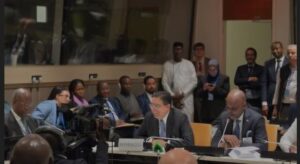
The signing process was inaugurated Wednesday in New York at the headquarters of Morocco’s Permanent Mission to the United Nations, on the margins of the high-level week of the 81st session of the UN General Assembly.
About 20 African countries participated at ministerial level in the ceremony, which was chaired by Morocco’s Minister of Foreign Affairs, African Cooperation and Moroccan Expatriates, Nasser Bourita.
Diop said the convention provides an “appropriate framework” for African states to cooperate on one of the continent’s most persistent consequences of armed conflict: the recruitment, exploitation and subsequent reintegration of children.
The approach is significant because reintegration extends beyond simply removing children from armed groups; United Nations guidance emphasizes family reunification, psychosocial assistance, education, vocational training and community acceptance as important elements of a sustainable return to civilian life.
A continuing African and global crisis
The initiative comes against a backdrop of continued armed conflict across several parts of Africa.
The UN’s current monitoring framework includes Mali, Burkina Faso, the Central African Republic, the Democratic Republic of Congo, Nigeria, Somalia and South Sudan, among other conflict-affected situations.
The UN says its latest annual reporting covers grave violations against children in 22 conflict situations and one regional monitoring arrangement.
Globally, the scale of the problem remains substantial.
UN-verified data recorded 38,558 grave violations against children in 2025, affecting 24,174 individual children, according to the UN Secretary-General’s report on Children and Armed Conflict.
Recruitment and use of children remained among the major violations documented alongside killing and maiming, abduction, sexual violence, attacks on schools and hospitals, and denial of humanitarian access.
The UN also reported that in 2024, nearly 16,500 children were released from armed forces and armed groups and received reintegration support, while more than 7,000 children were newly recruited and used in combat and support roles during the same year.
The figures illustrate why release from armed groups alone is not sufficient and why long-term reintegration remains central to child protection efforts.
UNICEF estimates that more than 105,000 children were verified as recruited and used by parties to conflict between 2005 and 2022, while acknowledging that the actual number is likely substantially higher because many cases remain undocumented.
Children can be used not only as fighters but also as cooks, porters, messengers, spies, guards and in other support roles; girls are additionally exposed to sexual exploitation and gender-based violence.
The proposed African framework places particular emphasis on the DDR process disarmament, demobilization and reintegration which has been used in peacebuilding and post-conflict programmes around the world.
For children, however, the process carries special requirements.
The UN considers children associated with armed forces and groups primarily as victims requiring protection and assistance.
International standards call for their separation from armed groups and support for their return to families, schools and communities.
The continent has accumulated considerable experience in this area through conflicts in countries including Sierra Leone, Liberia, the Democratic Republic of Congo, Central African Republic, South Sudan and Mali.
Earlier African peacebuilding programmes demonstrated that disarmament without effective economic, educational and social reintegration can leave former combatants particularly children vulnerable to renewed recruitment.
The issue also has a strong legal foundation. International law prohibits the recruitment and use of children in hostilities, while the UN has established 18 as the minimum age for recruitment and use by armed groups, with the recruitment and use of children under 15 prohibited under international humanitarian law and recognized as a war crime.
Morocco’s diplomatic initiative
The New York ceremony gives the Moroccan initiative a continental dimension by bringing African governments together around a common framework for prevention, disarmament and reintegration.
The Moroccan government has presented the instrument as a mechanism for strengthening African cooperation and facilitating the exchange of experiences, best practices and lessons learned.
For Mali, the convention also has direct relevance.
The country remains among the situations monitored by the UN’s Children and Armed Conflict mechanism, reflecting the continuing risks faced by children amid insecurity in the Sahel.
The convention’s long-term significance will depend not only on signatures but also on ratification, domestic implementation, financing and sustained programmes for education, psychosocial recovery, family reunification and community reintegration.
International experience shows that children separated from armed groups require continued support well after their formal release.
As African governments begin the signing process, the initiative therefore places the continent’s response to child recruitment within a broader debate over peacebuilding, human rights and post-conflict recovery with the central challenge extending beyond removing children from war to ensuring that they can rebuild their lives in peace.


