
By: Julius Konton
Operations at the John F. Kennedy Medical Center, Liberia’s largest public referral hospital have been significantly disrupted as doctors embark on an indefinite “go-slow” action in protest over what they describe as an assault on a colleague and subsequent administrative decisions they deem unjust.
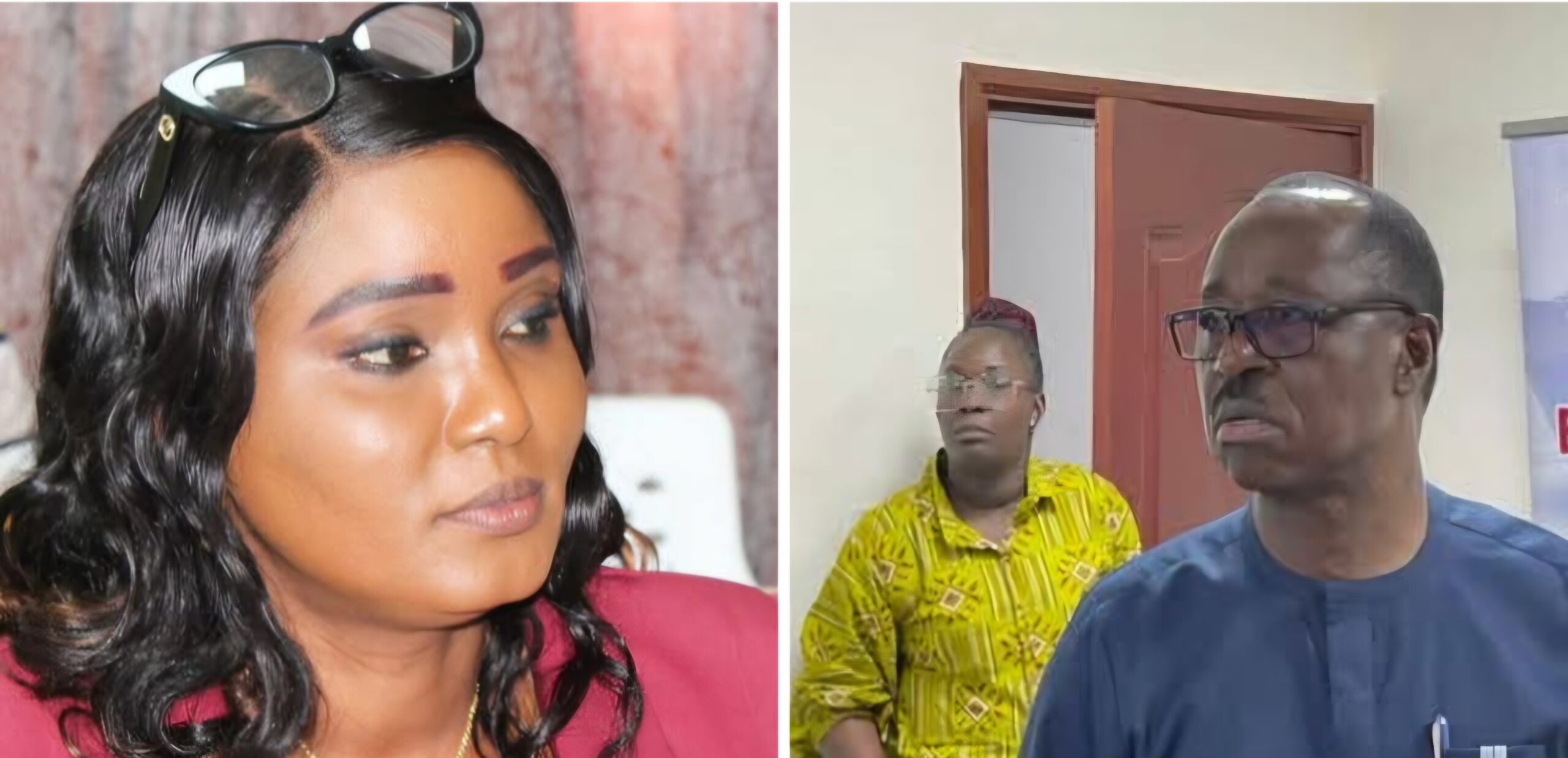
The protest, which began earlier this week, follows allegations that the hospital’s Acting Chief Executive Officer, Bendu Mensah, physically assaulted a doctor during a confrontation inside the facility, an incident that has ignited widespread outrage within the medical community and raised broader concerns about governance, workplace safety, and professionalism in Liberia’s fragile healthcare system.
The Incident: Conflicting Narratives Emerge
According to multiple hospital sources, the altercation reportedly occurred when Madam Mensah, who also serves as Deputy CEO for Administration, instructed a doctor (name with-held to find bed space for a patient she had brought to the hospital.
The doctor allegedly declined, stating that patient placement falls outside his direct responsibilities, and chose instead to continue attending to his assigned duties.
Witnesses claim this response angered the Acting CEO, culminating in an alleged physical slap.
Unconfirmed reports further suggest the doctor attempted to retaliate before security personnel intervened.
Police were later called to the scene, and the doctor was reportedly forcibly removed after refusing to leave voluntarily.
Neither party has publicly provided a detailed account of the incident, leaving room for competing narratives and intensifying calls for transparency.
Administrative Action Sparks Further Outrage
In the immediate aftermath, tensions escalated when the hospital’s head of clinical services, identified as Dr. John Emmanuel Tamba allegedly took administrative action against the doctor involved.
While some staff members claim the doctor was removed from duty, Dr. Tamba has publicly refuted these claims, stating instead that the individual was suspended on grounds of alleged misconduct pending the outcome of an internal investigation.
“This is not a removal but a suspension in line with administrative procedures,” Dr. Tamba said in a phone interview. “A full-scale investigation is currently underway.”
However, many doctors view the suspension as punitive and premature, arguing that it undermines due process and appears to favor senior management.
Doctors’ Response: Solidarity and Systemic Concerns
In solidarity with their colleague, dozens of doctors at JFK have adopted a go-slow strategy continuing to work but significantly reducing the pace of non-emergency services.
Their primary demand: a formal apology from the Acting CEO and assurances of a safe and respectful working environment.
Medical practitioners warn that the situation reflects deeper structural issues within Liberia’s healthcare system, including:
Weak institutional accountability
Chronic understaffing and overwork
Administrative interference in clinical roles
Lack of clear protocols for conflict resolution
A Fragile System Under Pressure
The crisis at JFK comes at a time when Liberia’s healthcare system is still recovering from the long-term effects of the West African Ebola epidemic, which exposed severe weaknesses in infrastructure, staffing, and crisis response.
According to data from the World Health Organization:
Liberia has fewer than 0.2 physicians per 1,000 people, far below the global average of 1.6
Public hospitals like JFK handle over 60% of tertiary care cases nationwide
Healthcare worker burnout and migration remain critical challenges
Against this backdrop, any disruption at JFK carries national implications, potentially affecting thousands of patients who rely on the facility for specialized care.
Governance, Power, and Professional Ethics
Analysts say the incident underscores a broader tension between administrative authority and clinical independence in many developing health systems.
“Healthcare institutions function best when there is mutual respect between management and medical professionals,” said a regional health policy expert.
“Allegations of physical confrontation, if proven, represent a serious breach of professional ethics and leadership responsibility.”
At the same time, concerns about the doctor’s alleged conduct including refusal to comply with directives and possible attempted retaliation highlight the need for clear role definitions and disciplinary standards within hospital operations.
Calls for Independent Investigation
Civil society actors and medical advocacy groups are now calling for an independent inquiry into the incident, warning that an internal investigation may lack credibility given the involvement of senior management.
Key demands include:
A transparent, third-party investigation
Protection for whistleblowers and medical staff
Clear communication of findings to the public
Institutional reforms to prevent future conflicts
As investigations continue, the situation remains tense, with hospital operations partially slowed and public confidence at stake.
The Ministry of Health has yet to issue a comprehensive statement, but observers say swift and balanced intervention will be critical to:
Restore trust among healthcare workers
Prevent escalation into a full strike
Ensure uninterrupted patient care
The unfolding crisis at JFK Medical Center is more than an isolated workplace dispute, it is a revealing test of leadership, accountability, and resilience within Liberia’s healthcare system.
Whether it leads to meaningful reform or deeper institutional fractures will depend largely on how authorities handle the investigation and address the concerns of frontline medical professionals.
