





By: Julius Konton
In a significant move aimed at transforming governance systems across the continent, Liberia’s Civil Service Agency (CSA) has joined 12 other nations in endorsing the landmark Dakar Declaration on Public Administration Reform, signaling a renewed commitment to efficiency, transparency, and regional cooperation in Africa’s public sector.
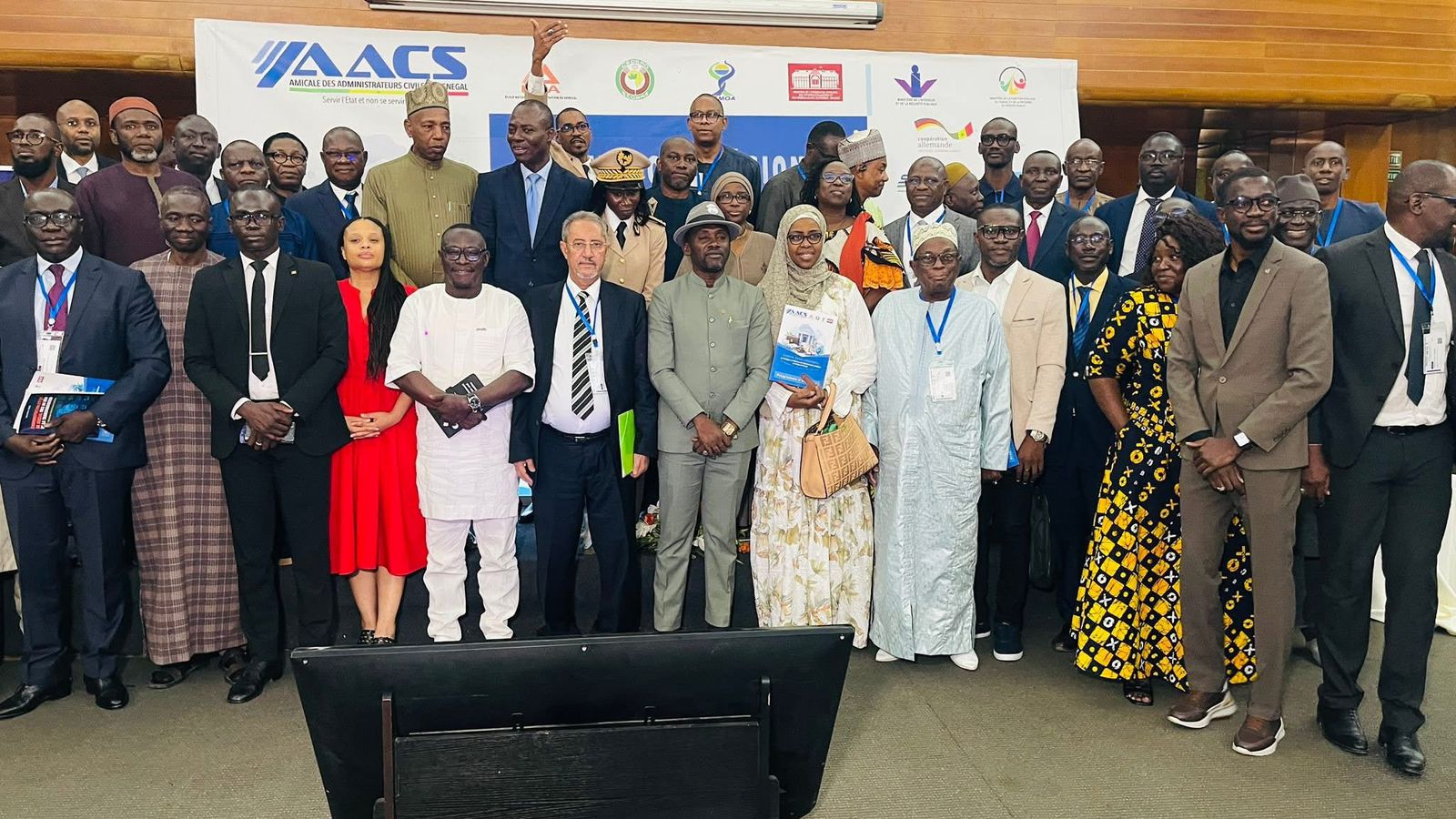
The declaration was adopted at a high-level, two-day sub-regional forum held from March 27–28, 2026, in Dakar.
The gathering convened civil administrators, policymakers, and governance experts from across West Africa and beyond to confront longstanding structural challenges in public administration and chart a unified reform agenda.
A CONTINENT AT A CROSSROADS: THE URGENCY OF REFORM
Public administration reform remains a critical issue across Africa, where inefficiencies, bureaucratic bottlenecks, and weak institutional capacity continue to hinder development.
According to estimates from the African Development Bank, governance inefficiencies cost African economies billions of dollars annually through lost productivity and corruption-related leakages.
In West Africa alone, studies suggest that up to 30–40% of public expenditure may be affected by inefficiencies or weak accountability systems.
Meanwhile, the United Nations Department of Economic and Social Affairs has repeatedly emphasized that effective public institutions are essential to achieving the Sustainable Development Goals (SDGs) by 2030.
Against this backdrop, the Dakar forum organized by the Amicale des Administrateurs Civils du Sénégal served as a strategic platform to harmonize reform efforts and strengthen cross-border collaboration.
LIBERIA’S ROLE AND COMMITMENT
Liberia’s participation underscored its growing engagement in regional governance initiatives.
The CSA was represented by Mulbah K. Yorgbor Jr., Director of Civil Service Reform and Policy, on behalf of Director General Dr. Josiah F. Joekai Jr.
Acting for Liberia, Mr. Yorgbor signed the Dakar Declaration, reaffirming the country’s commitment to building a modern, high-performing, and citizen-focused civil service.
“Our firm commitment to strengthening bilateral and multilateral cooperation… and transforming our administrations into key drivers of development and national cohesion,” the declaration states.
Liberia’s endorsement aligns with ongoing domestic reform efforts aimed at improving service delivery, digitizing government operations, and strengthening institutional accountability.
WHAT THE DAKAR DECLARATION MEANS
The Dakar Declaration represents one of the most comprehensive regional frameworks for public sector reform in recent years.
Signed by 13 countries, including Senegal, Sierra Leone, Nigeria, Canada, and Liberia, the agreement sets out a shared vision for governance transformation across Africa.
Key Commitments Include:
Citizen-Centered Governance: Repositioning citizens as primary beneficiaries through improved access to information and participatory governance.
Digital Transformation: Expanding e-governance systems, dematerializing services, and improving cybersecurity infrastructure.
Transparency and Anti-Corruption:
Strengthening oversight institutions, enforcing asset declaration laws, and protecting whistleblowers.
Human Capital Development: Building a professional, motivated, and skilled civil service workforce.
Decentralization: Enhancing local governance systems to improve service delivery at the community level.
Data-Driven Policy: Promoting evidence-based policymaking supported by robust national statistical systems.
A NEW REGIONAL FRAMEWORK TAKES SHAPE
One of the forum’s most notable outcomes was the decision to establish a sub-regional cooperation framework focused on governance integration.
This includes collaboration in:
Cross-border security and administration
Public financial management
Electoral best practices
Institutional reforms
Participants also agreed to create an Observatory of Administrative Best Practices, aimed at tracking reforms, sharing innovations, and benchmarking progress across countries.
A restricted working group co-chaired by Senegal and Sierra Leone has been tasked with drafting implementation frameworks, organizing future forums, and identifying sustainable financing mechanisms.
HISTORICAL CONTEXT: AFRICA’S LONG ROAD TO ADMINISTRATIVE REFORM
Efforts to reform Africa’s public sector date back decades, particularly following structural adjustment programs of the 1980s and governance reforms of the early 2000s.
However, progress has often been uneven.
In Liberia, civil service reform gained renewed momentum after the end of the civil war in 2003, with support from international partners.
Over the past two decades, reforms have focused on payroll cleanup, merit-based recruitment, and institutional restructuring.
Yet challenges persist.
According to governance assessments by global institutions, many African countries still struggle with:
Weak institutional coordination
Limited digital infrastructure
Low public trust in government
Capacity gaps in human resources
The Dakar Declaration seeks to address these systemic issues through coordinated, region-wide action.
DIPLOMATIC SUPPORT AND REGIONAL SOLIDARITY
Liberia’s successful participation was also attributed to the support of its Ambassador to Senegal, Ali Sylla, whose diplomatic efforts facilitated the country’s engagement at the forum.
Analysts say such collaboration reflects a broader shift toward regional problem-solving, as African nations increasingly recognize that governance challenges transcend national borders.
FROM COMMITMENT TO IMPLEMENTATION
While the Dakar Declaration marks a significant milestone, experts caution that implementation will be the true test of its impact.
“Declarations are important, but measurable results improved service delivery, reduced corruption, and increased citizen satisfaction will determine success,” governance analysts note.
With Africa’s population projected to exceed 2.5 billion by 2050, the demand for efficient and responsive public institutions is expected to intensify.
Liberia’s endorsement of the Dakar Declaration positions it firmly within a growing coalition of nations committed to redefining public administration in Africa.
As governments move from rhetoric to action, the success of these reforms could play a decisive role in shaping the continent’s economic trajectory, political stability, and social cohesion in the decades ahead.


