
By: Laymah E. Kollie
Liberia has validated its first National Report on the Nagoya Protocol on Access and Benefit Sharing (ABS), marking a significant step toward protecting the country’s biodiversity and ensuring communities benefit from the use of genetic resources.
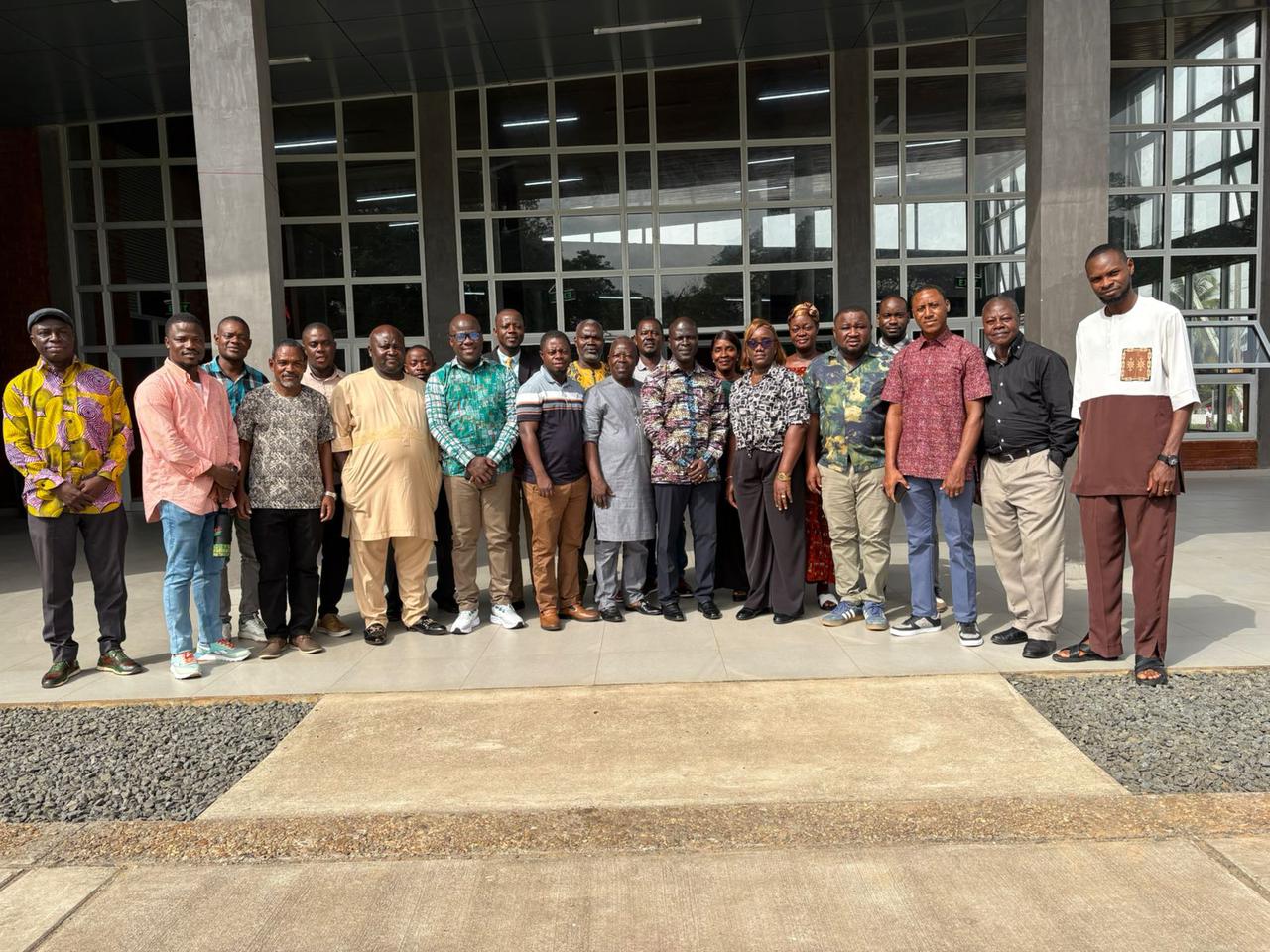
The validation exercise, organized by the Environmental Protection Agency (EPA), was held Wednesday at the Liberia Learning Center in Paynesville City.
The event brought together government officials, environmental experts, community leaders, consultants, and development partners.
Delivering the opening remarks, EPA Executive Director Dr. Emmanuel King Urey Yarkpawolo described the process as a turning point in Liberia’s management of its biological and genetic resources.
According to Dr. Yarkpawolo, Liberia’s forests, wetlands, rivers, mangroves, and coastal ecosystems play a vital role in supporting livelihoods, food security, and traditional medicine, while also offering scientific and economic value.
He acknowledged that in the past, countries like Liberia and local communities have not always received fair recognition or benefits when their biological resources and traditional knowledge were utilized.
He said the Nagoya Protocol provides the legal framework to address this imbalance by promoting fair and equitable benefit sharing.
“Access and Benefit Sharing is not only an environmental issue; it also touches on social, economic, cultural, and governance matters,” he emphasized, noting that it strengthens national sovereignty while encouraging responsible research and investment.
The EPA Boss further highlighted progress reflected in the First National Report, including policy development, institutional coordination, stakeholder awareness, and initial steps toward establishing systems for prior informed consent and mutually agreed terms.
However, he acknowledged remaining challenges such as finalizing legal frameworks, increasing community awareness, and strengthening monitoring and compliance systems.
Also speaking ,Frances B. Seydou, EPA Director of Intersectoral Coordination and National Focal Point for the Nagoya Protocol, providing background, explained that the Protocol is an international agreement under the Convention on Biological Diversity, adopted in 2010.
Madam Seydou said the agreement was developed to ensure fairness and equity in the global use of genetic resources, particularly for countries and communities that conserve biodiversity.
According to her, Liberia, as a Party to the Convention on Biological Diversity since 1995, is obligated to develop national ABS laws, establish institutional frameworks, protect traditional knowledge, and report progress to the CBD Secretariat.
She described the First National ABS Report as a key tool for measuring national progress, identifying gaps, guiding policy reforms, enhancing transparency, and mobilizing international support.
Amidst the challenges such as limited awareness, low technical capacity, weak institutional coordination, and inadequate monitoring systems, she expressed confidence that Liberia has strong opportunities to strengthen its legal framework, build capacity, and promote inclusive partnerships.
The EPA stated that inputs gathered from the validation workshop will be incorporated into the final report, which will guide Liberia’s next steps in protecting biodiversity while ensuring that benefits from genetic resources reach the communities that preserve them.
