



By: Julius Konton
The Government of Liberia has intensified efforts to strengthen domestic revenue generation as part of a broader strategy aimed at reducing dependence on foreign aid, expanding fiscal resilience, and financing critical national development priorities.
The renewed commitment was highlighted on Thursday during a high-level Joint Consultations Dialogue convened by Korea Eximbank and the African Development Bank (AfDB) under the Knowledge Sharing Program in Monrovia.
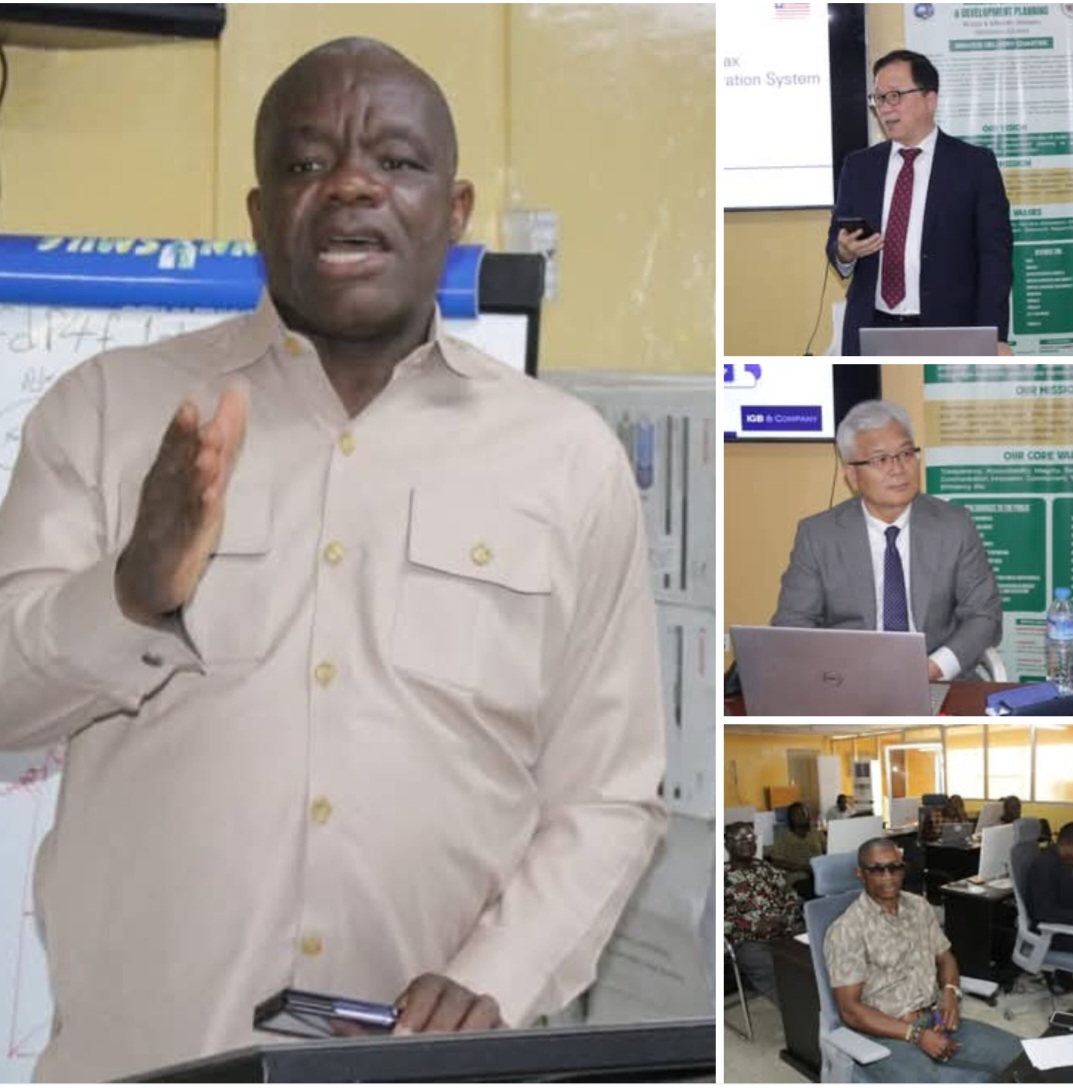
The discussions, hosted at Liberia’s Ministry of Finance and Development Planning (MFDP), brought together senior government officials, international financial institutions, development partners, and policy experts to examine strategies for improving Liberia’s domestic resource mobilization framework through institutional reforms, digital innovation, and enhanced tax administration systems.
Leading the government’s position during the consultations, Assistant Minister for Revenue and Tax Policy at the MFDP, Andrew N. Ngolloe, described domestic resource mobilization as one of the most decisive factors for Liberia’s long-term economic transformation and fiscal sustainability.
“Domestic resource mobilization is not merely a fiscal issue; it is fundamentally about national resilience, economic sovereignty, and Liberia’s ability to finance its own development priorities,” Minister Ngolloe declared.
According to him, the Liberian government is pursuing an ambitious economic agenda intended to strategically expand the national budget by approximately US$3 billion between 2025 and 2029 through enhanced internal revenue generation and comprehensive fiscal reforms.
Liberia’s Revenue Challenges
Liberia, a post-conflict West African nation of approximately 5.5 million people, has historically faced significant fiscal challenges, including a narrow tax base, widespread informality within the economy, infrastructure deficits, and heavy dependence on international donor support.
According to data from international financial institutions, Liberia’s tax-to-GDP ratio has remained below the African average for several years, limiting the government’s ability to independently finance large-scale infrastructure and social development programs.
The country’s economy, which relies heavily on mining, agriculture, rubber exports, and maritime revenues, suffered major setbacks during the 2014–2016 Ebola epidemic and later from the economic consequences of the COVID-19 pandemic.
Inflationary pressures, global commodity fluctuations, and rising debt vulnerabilities have further intensified calls for stronger domestic revenue reforms.
Economic analysts say improving domestic resource mobilization could significantly increase Liberia’s capacity to fund healthcare, education, roads, energy projects, agriculture, and youth employment initiatives without excessive reliance on external borrowing.
Government Push for Digital Tax Reforms
Minister Ngolloe emphasized that Liberia’s current fiscal reform strategy focuses on modernizing tax administration, digitizing revenue collection systems, strengthening compliance mechanisms, and improving collaboration between the public and private sectors.
He noted that technology-driven reforms are expected to improve transparency, minimize revenue leakages, and increase efficiency across government revenue institutions.
“Liberia’s long-term development objectives can only be achieved through sustained internal revenue generation and sound fiscal management systems,” Ngolloe stated.
The Assistant Minister also underscored the importance of institutional partnerships and knowledge-sharing initiatives in strengthening Liberia’s financial governance architecture.
He described the consultations as part of ongoing collaborative reform efforts involving the Ministry of Finance and Development Planning, the Liberia Revenue Authority (LRA), Korea Eximbank, the African Development Bank, and other international development institutions committed to supporting Liberia’s economic recovery and governance agenda.
International Partners Reaffirm Support
Representatives from the African Development Bank and Korea Eximbank reiterated their commitment to supporting Liberia’s fiscal transformation efforts through technical assistance, institutional capacity building, and policy advisory support.
The African Development Bank has remained one of Liberia’s key development partners, financing projects in transport, energy, agriculture, water, and governance reforms across the country.
Korea Eximbank, through its Economic
Development Cooperation Fund and knowledge-sharing initiatives, has increasingly expanded engagement with African economies seeking sustainable growth and institutional modernization.
Participants at the consultations included officials from the Liberia Revenue Authority, the Ministry of Mines and Energy, financial sector institutions, development agencies, and economic policy experts.
Stakeholders commended the Liberian government for prioritizing fiscal reforms and reaffirmed collective support for initiatives aimed at strengthening domestic revenue mobilization, improving governance standards, and accelerating national development.
Broader African Context
Across Africa, governments are increasingly prioritizing domestic resource mobilization as global economic uncertainties, rising debt burdens, and declining development assistance place pressure on national budgets.
According to the African Union and the African Development Bank, improving tax administration and expanding domestic revenue systems remain essential for achieving the Sustainable Development Goals (SDGs) and financing Africa’s long-term development agenda.
For Liberia, analysts say the success of its domestic resource mobilization strategy will largely depend on sustained political commitment, institutional transparency, digital innovation, and public confidence in government financial management systems.
The latest consultations in Monrovia are being viewed as another important step toward Liberia’s broader ambition of building a more self-sustaining and resilient economy capable of financing its own national transformation agenda.


