




By: Julius Konton
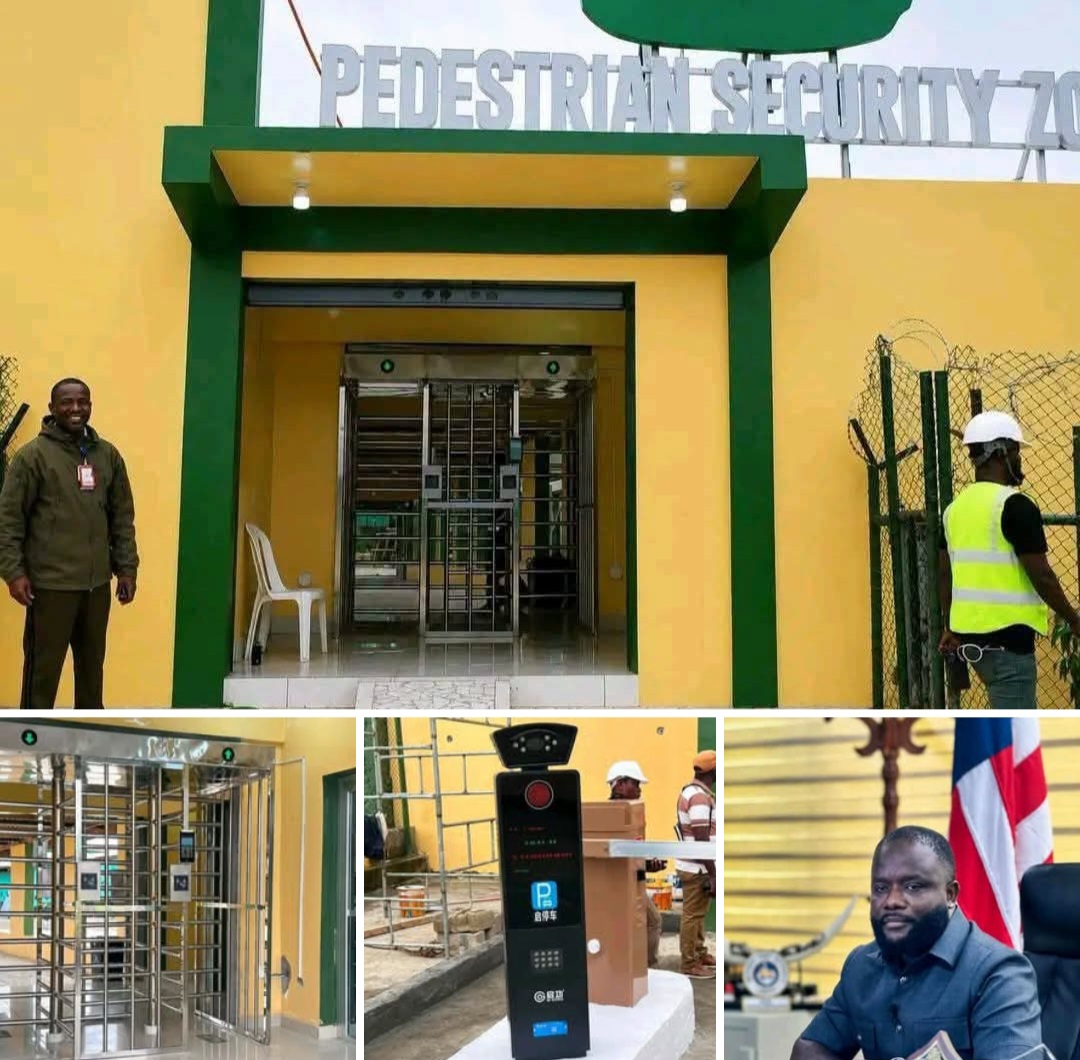
The National Port Authority (NPA) has announced a sweeping security overhaul at the Freeport of Monrovia, introducing advanced electronic access control measures designed to strengthen port security, align Liberia with international maritime standards, and safeguard the country’s reputation in global shipping.
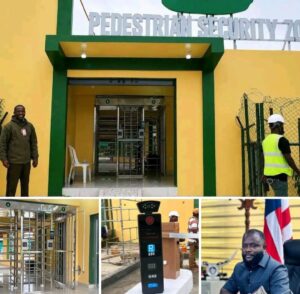
Under the new regulations, all individuals seeking access to the Freeport must possess authorized electronic access cards and undergo biometric verification, including fingerprint and facial recognition screening, before entering the facility.
The initiative represents one of the most significant security upgrades at Liberia’s principal seaport in recent years and is intended to enhance operational integrity while preventing unauthorized access to one of the country’s most strategic economic gateways.
According to the NPA, the enhanced measures are being implemented to ensure full compliance with the International Ship and Port Facility Security (ISPS) Code, the global security framework established by the International Maritime Organization (IMO) following the September 11, 2001 terrorist attacks.
The ISPS Code sets mandatory security standards for ports and ships engaged in international trade.
The authority emphasized that maintaining compliance with international maritime security regulations is essential to protecting Liberia from the risk of sanctions or placement on international shipping security watchlists, which could increase insurance costs, delay cargo movement, and negatively affect trade.
In addition to the new electronic access system, the NPA has made safety training mandatory for all port users, contractors, and personnel.
Individuals entering operational areas must complete approved safety orientation programs and wear appropriate personal protective equipment (PPE), including safety helmets, reflective vests, and protective footwear where required.
Officials say the reforms are intended not only to improve workplace safety but also to reduce accidents, enhance cargo security, and strengthen oversight of activities within the port.
The Freeport of Monrovia handles the overwhelming majority of Liberia’s international maritime trade, serving as the country’s busiest commercial port and a critical gateway for imports and exports.
Every year, thousands of shipping containers, vehicles, fuel products, construction materials, food supplies, and other commercial goods pass through the facility, making robust security systems essential to national economic stability.
Security experts note that modern ports worldwide increasingly rely on biometric technology, electronic identification systems, and digital surveillance to combat cargo theft, drug trafficking, smuggling, terrorism, and other forms of transnational organized crime.
The latest measures also reflect Liberia’s broader efforts to modernize its maritime infrastructure and strengthen confidence among international shipping companies, investors, and trading partners.
The National Port Authority has urged all port users to comply fully with the new requirements, stressing that unauthorized entry will no longer be permitted.
Officials say the era of unrestricted access to the Freeport has ended, with technology-driven security now forming the backbone of port operations.
The NPA believes the strengthened access control system will significantly reduce opportunities for criminal activities, including the illegal movement of narcotics and other prohibited goods, while reinforcing Liberia’s commitment to maintaining a secure, efficient, and internationally compliant maritime gateway.


