


By: Julius Konton
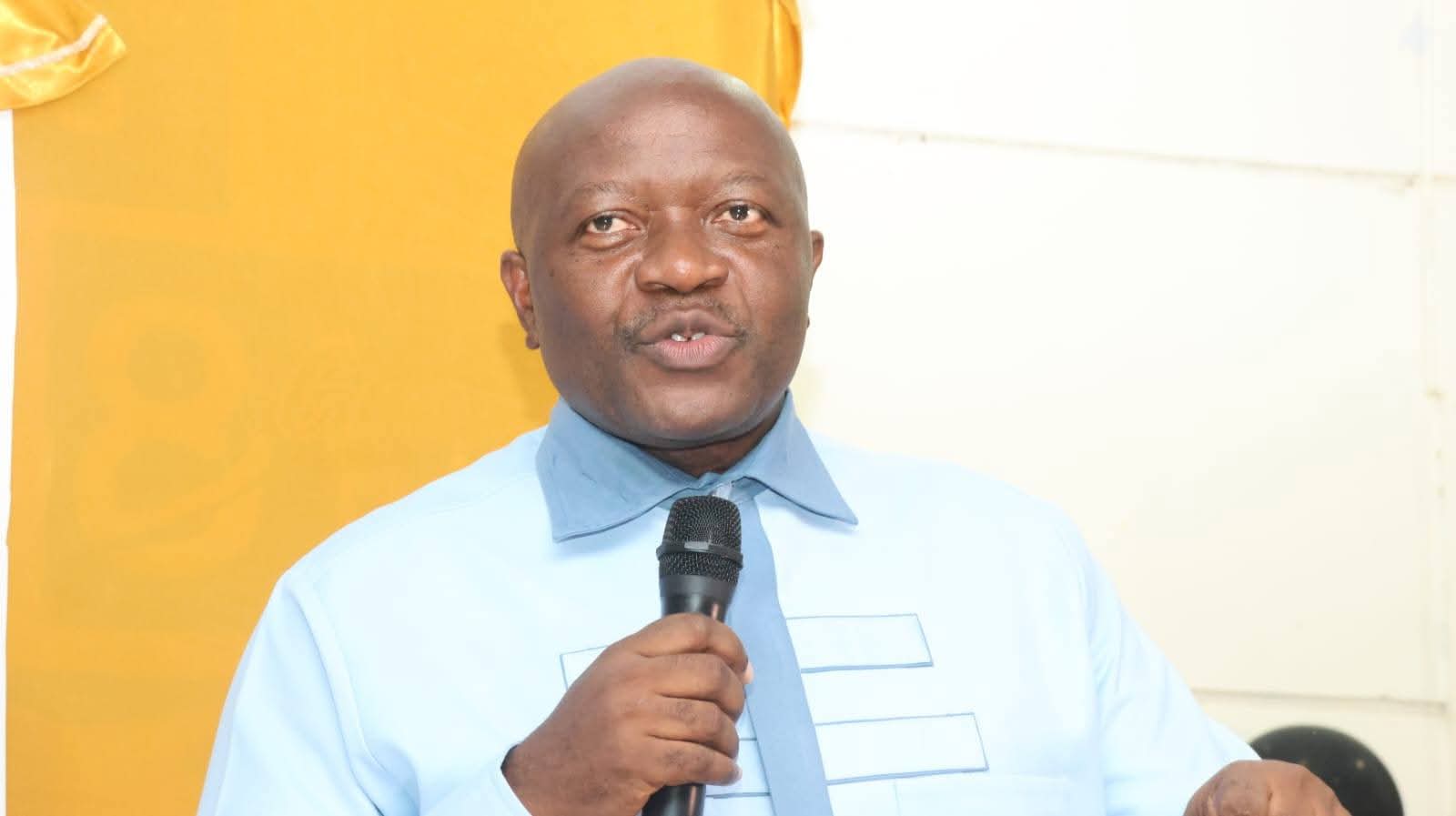
Liberia’s Finance and Development Planning Minister, Augustine Kpehe Ngafuan renewed the government’s commitment to transforming the country’s sports sector, calling for the formal recognition of kickball as a protected national sporting asset and promising increased financial support for sports development across the country.
Speaking at the 2nd Sports Writers Association of Liberia (SWAL) Awards in Monrovia, Ngafuan described kickball as a “uniquely Liberian innovation” that deserves urgent legal, institutional, and international branding protection.
His remarks come amid growing national debate over the role of sports in economic development, youth empowerment, and tourism promotion in a country where nearly 63% of the population is under the age of 25, according to recent demographic estimates.
“We all grew up believing kickball was played everywhere in the world, only to later discover that it is a Liberian invention,” Ngafuan said. “If we fail to protect it, we risk losing ownership of one of our most valuable cultural identities.”
The Minister urged the government to collaborate with the Ministry of Youth and sports, stakeholders to formally brand kickball as a national treasure, potentially opening doors for sports tourism, international competitions, and cultural diplomacy.
Kickball: A Liberian Sporting Legacy
Kickball, a game deeply rooted in Liberian schools and communities since the 1960s, remains one of the country’s most widely played sports, particularly among women and school-aged youth.
While versions of kickball exist globally, Liberia’s adaptation with organized leagues, structured competitions, and community identity has become a cornerstone of the nation’s sporting culture.
Sports historians estimate that more than 500 schools nationwide actively participate in kickball competitions annually, making it one of Liberia’s most accessible sports.
Analysts say formalizing kickball under intellectual property or national heritage laws could preserve its authenticity while creating commercial value through sponsorship, merchandising, and tourism.
Government Spending on Sports Rising
Ngafuan revealed that Liberia’s current fiscal budget includes one of the largest allocations to sports in recent years, part of the government’s broader ARREST Agenda for Inclusive Development (AAID).
While sports funding still accounts for less than 2% of Liberia’s national budget, experts argue that the sector has enormous untapped potential.
Across Africa, sports contribute an average of up to 3% of GDP in some emerging economies through employment, entertainment, and tourism.
“Sports is not just recreation, it is development,” Ngafuan emphasized. “It competes with roads, education, agriculture, and energy, but it must remain a priority because of its power to transform lives”, he re-emphasized.
Liberia’s sports infrastructure has long suffered from underinvestment.
Since the end of the civil war in 2003, only a handful of major sporting facilities have undergone substantial rehabilitation, including the Samuel Kanyon Doe Sports Complex in Paynesville.
World Cup Dream Still Alive
The Finance Minister also renewed Liberia’s long-standing ambition of qualifying for the World Cup, a feat the country has never achieved since joining in 1962.
Liberia’s football history remains one of promise and heartbreak.
The nation produced one of Africa’s greatest football icons, George Weah who won the Ballon d’Or in 1995, the only African player to do so as of today.
Despite this historic milestone, Liberia has never appeared at the World Cup, often falling short in qualification campaigns.
“That dream remains possible,” Ngafuan said. “We must continue investing in football and all sporting disciplines so that one day Liberians can gather and watch our flag fly on the world stage.”
Sports Journalism as a Nation-Building Tool
Beyond athletes, Ngafuan paid tribute to Liberia’s sports journalists, describing them as critical architects of national consciousness.
The SWAL Awards, now in their second edition, honored outstanding achievements in sports reporting and celebrated the contributions of journalists who have helped shape Liberia’s sports narrative over the decades.
“Through your reporting, you inspire generations, build heroes, and promote national unity,” he told attendees.
Liberia’s media sector has expanded significantly since the 1990s, with over 100 registered media institutions, according to the Ministry of Information, but sports journalism remains one of the least funded specialized fields.
A Strategic Sector for Youth and Unity
Experts argue that sports could become one of Liberia’s most strategic sectors in tackling unemployment, which remains above 15% nationally and significantly higher among youth.
From football to athletics, basketball, and kickball, sports have increasingly become both an economic opportunity and a social stabilizer in post-war Liberia.
As the country seeks to diversify its economy beyond mining, rubber, and agriculture, Ngafuan’s push to elevate kickball may signal a broader shift toward leveraging culture and sports as engines of national identity and growth.
For many Liberians, the call is more than symbolic, it is about preserving a legacy, creating opportunities, and giving the next generation a platform to dream beyond the boundaries of poverty.
The SWAL Awards ended with a call for excellence, as Ngafuan urged both winners and nominees to remain focused on innovation, discipline, and continuous improvement.
“Excellence,” he concluded, “must always remain our national standard.”


