



By Julius Konton
Liberia’s election to a non-permanent seat on the United Nations Security Council (UNSC) for the 2026–2027 term has been greeted with widespread celebration at home and warm commendations abroad.
Government officials have framed the development as historic, symbolic of renewed global confidence in the country, and evidence of Liberia’s diplomatic resurgence.
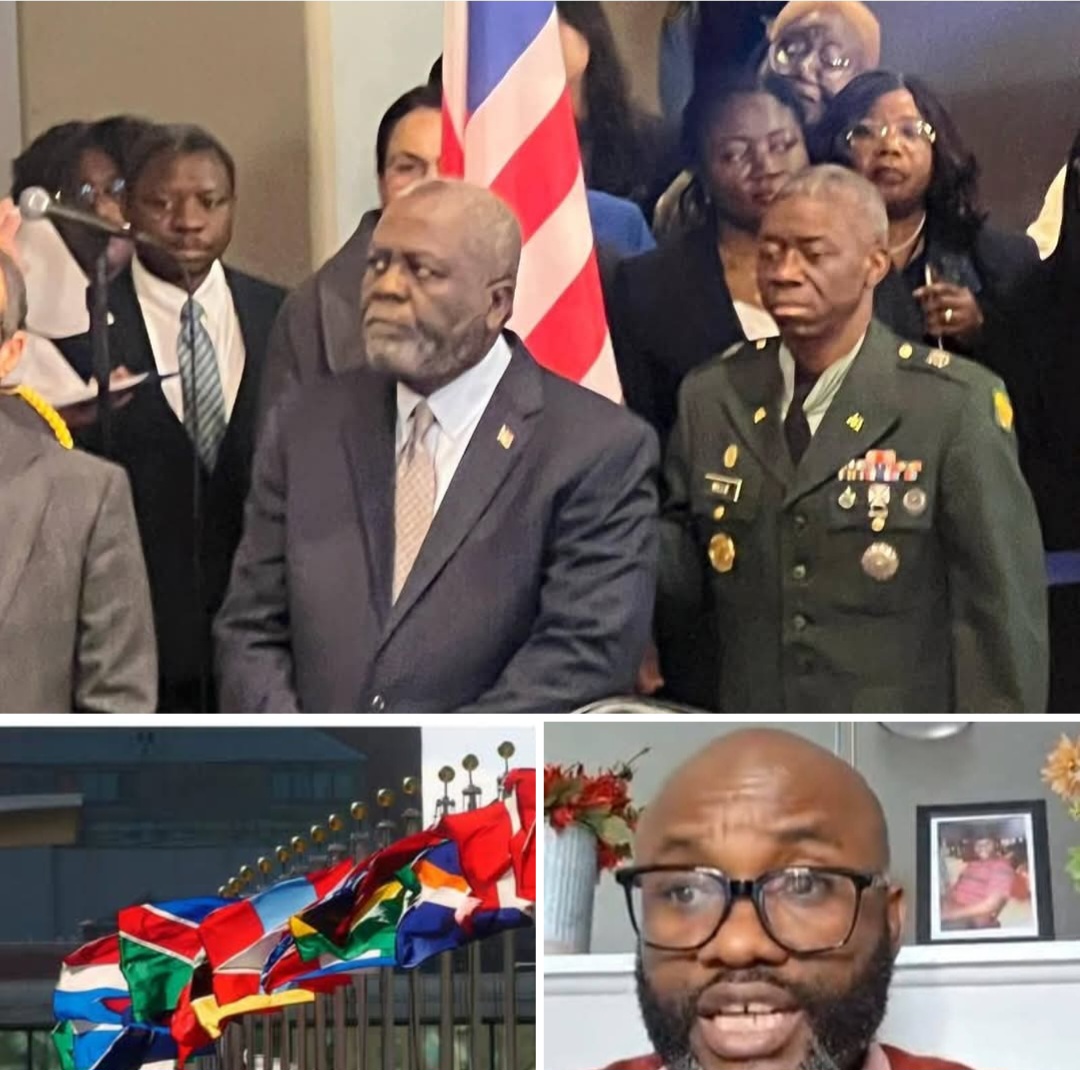
However, US based Activist Tennie Jallah said that narrative, while emotionally appealing, deserves careful interrogation.
He was hasten to point out that his analysis is in good faith and a patriotic responsibility.
“It is not a partisan critique of President Joseph Nyuma Boakai, the Unity Party, or the opposition Congress for Democratic Change (CDC)”, he clarified.
Rather, it is an urgent call for early, honest national reflection before symbolism hardens into misplaced self-congratulation.
Jallah cautioned, nations that achieved sustained prosperity ; China, Vietnam, Rwanda, and Israel among them did not begin their rise with global prestige.
He said they began with people, productivity, and internal capacity, long before the world took notice.
According to him, Liberia’s Security Council seat, therefore, should not be mythologized. It should be contextualized.
THE MYTHS AND THE REALITIES
Myth 1: A UN Security Council Seat Brings Economic Prosperity
Reality:
Jallah stated that seat on the Security Council does not create jobs, stabilize prices, or lift households out of poverty.
“It does not inject capital into local markets or improve food security”, he re-emphasized.
According to him; Economic transformation comes from: Domestic production
Value addition and industrialization
Skilled human capital
Reliable infrastructure stating that no international platform substitutes for internal economic work.
Myth 2: Global Visibility Equals Domestic Development
Reality:
Visibility enhances diplomatic standing, not living standards.
He highlighted Liberia’s core challenges, youth unemployment, high food prices, fragile healthcare systems, poor roads, and unreliable electricity are not the result of international neglect.
They are symptoms of longstanding structural weaknesses at home.
Stressing that Development is not performed abroad; it is built domestically.
Myth 3: International Influence Automatically Attracts Investment
Reality:
Investors respond to fundamentals, not flags at the UN.
They look for:
Stable electricity
Predictable policies
Skilled labor
Efficient institutions
Functional infrastructure
Tennie maintained that A rotating Security Council seat does not correct these deficiencies. Only deliberate reform does.
Myth 4: Liberia Is Now “Ascending” on the Global Stage
Reality:
True national ascent is measured not by diplomatic rotation, but by:
Rising household incomes
Reduced dependence on imports
Functional public institutions
Productive youth employment
Competitive agriculture and industry
Security Council membership he indicated is temporary prestige, not structural advancement.
Myth 5: Diplomacy Can Substitute for Domestic Capacity
Reality:
Diplomacy is effective only when backed by internal strength.
Jalah lamented that without a productive economy, a clear development strategy, and empowered citizens, international presence becomes ceremonial, well-spoken, well-photographed, and ultimately inconsequential.
Myth 6: Successful Nations Developed Through Global Recognition First
Reality:
Reflecting further he said history shows the opposite making reference to China.
China prioritized internal production before global leadership. Naming others he stated that Vietnam invested in skills and manufacturing, Rwanda focused on governance, discipline, and accountability while Israel built its strength through education, innovation, and technology.
He argued that none of them waited for international applause to develop.
” They earned recognition by getting their domestic fundamentals right”, he added.
Myth 7: Questioning Symbolism Is Unpatriotic
Reality:
Patriotism is not silence.
Honest critique is a civic duty
Questioning priorities is not opposition
Blind celebration without scrutiny is more dangerous than respectful dissent
A nation grows when its citizens think critically, not when they clap uncritically, he added.
THE REAL TEST: WHAT MUST CHANGE NOW
Jallah underscores that if Liberia’s Security Council membership is to mean more than symbolism, the government must urgently refocus on measurable domestic outcomes:
Serious investment in education, skills, and healthcare
Food security through productive agriculture
Reliable electricity and transport
infrastructure
Support for domestic entrepreneurs and local innovation
Strong public financial management
Reduced dependence on imports and donor aid.
According to him, these are not diplomatic milestones but are the foundations of sovereignty.
PRIDE MUST SERVE PURPOSE
The US based Activist said Liberia’s flag flying at the United Nations should inspire pride but it must also provoke introspection.
“The true measure of leadership will not be what Liberia says in New York, but what changes for ordinary citizens in Monrovia, Ganta, Buchanan, Zwedru, and Harper”, he re-emphasized.
According to him, If such moment is approached with clarity rather than complacency, it can become more than a photograph in history.
He stateed that it can also mark the beginning of a serious national course correction.
If not, he warned that it risks becoming another symbol celebrated abroad while hardship persists at home.
“Liberia does not suffer from a shortage of symbols, It suffers from weak systems, low productivity, and underinvestment in people,
Nations do not rise by being seen but
They rise by being built”, he maintained.


