
By: Julius Konton
In a renewed push to harness the potential of Liberia’s youthful population, Youth and Sports Minister Cornelia Kruah has launched an ambitious engagement drive aimed at transforming the country’s youth, vocational skills, and sports sectors into engines of inclusive growth.
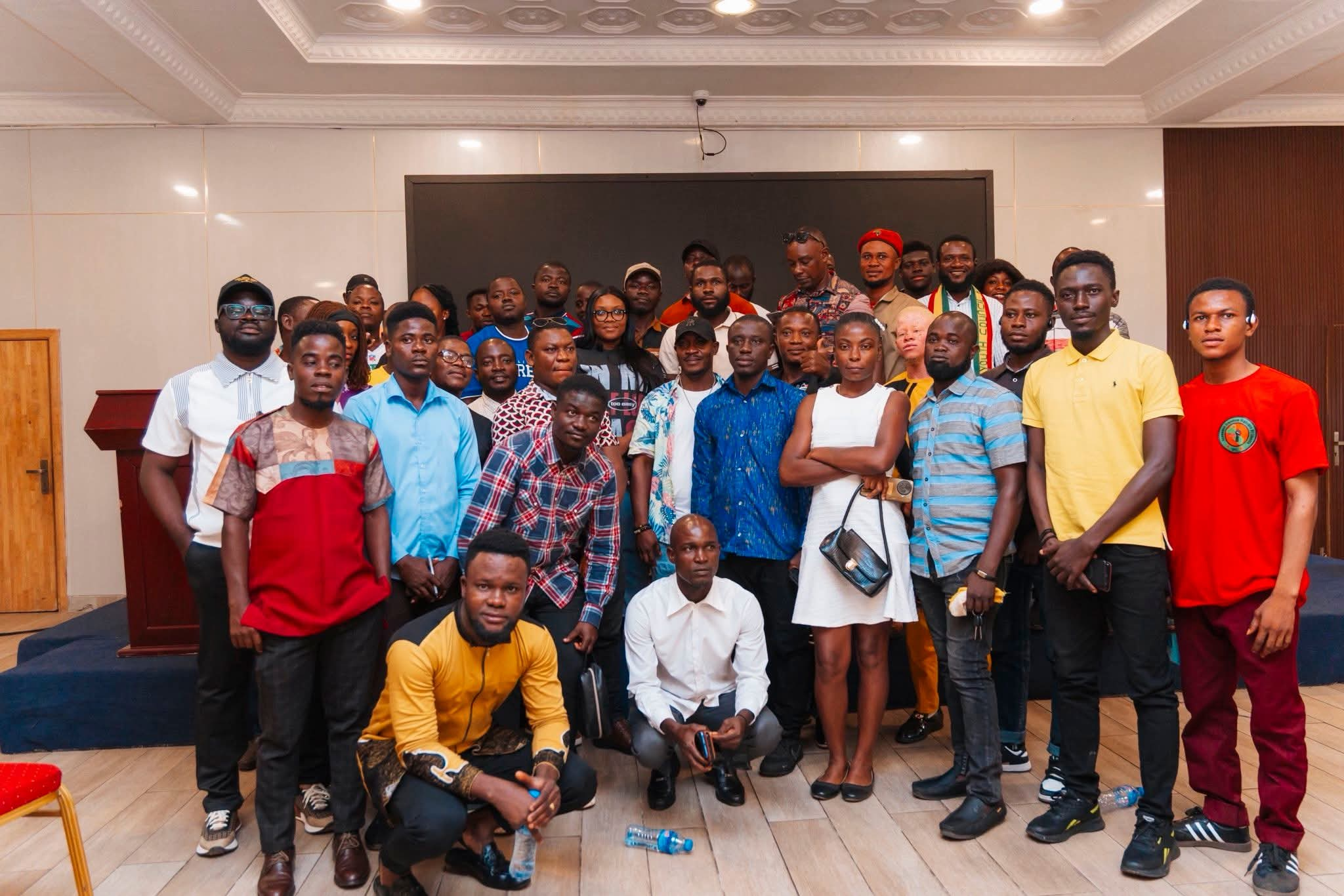
Speaking after a successful tour of the Monrovia Vocational Training Center recently, Minister Kruah convened a mass meeting with young people drawn from across the political and civic spectrum, signaling a shift toward participatory governance in youth affairs.
The engagement forms part of a broader reform strategy under the Ministry of Youth and Sports, which oversees policies affecting the country’s largest demographic group.
A Youthful Nation, A Strategic Imperative
Liberia is one of Africa’s youngest nations, with an estimated 60–65 percent of its population under the age of 25 and a median age of about 19 years.
This demographic reality presents both an opportunity and a challenge: while young people represent a vast labor and innovation pool, youth unemployment and underemployment remain persistent concerns, particularly among urban and peri-urban communities.
Against this backdrop, Minister Kruah emphasized that the new Youth Agenda would be “driven by young people themselves.”
She disclosed that the Ministry has already engaged Youth Chairpersons from 32 of Liberia’s 43 registered political parties, laying the groundwork for sustained dialogue that transcends partisan lines.
“We shared our vision for the young people and extended a hand for dialogue and collaboration as we champion this cause,”
Minister Kruah said, underscoring the administration’s commitment to inclusivity.
Beyond Elections: Institutionalizing Youth Participation
A central pillar of the Minister’s message was the need to move beyond episodic youth engagement during election cycles.
She stressed that young people must be permanent stakeholders in decision-making processes that shape policies on employment, education, and national development.
“Young people should not only be partners during elections. They must remain involved in decision-making processes that affect them,” she said, assuring participants that the Ministry would provide an institutional platform for continued engagement.
Participants at the meeting agreed to work collaboratively with the Ministry to design and implement initiatives that benefit youth irrespective of political affiliation, a consensus that observers say could help depoliticize youth development programming.
Skills, Jobs, and Sports: A Three-Pillar Reform Vision
Minister Kruah outlined a three-component reform framework anchored on:
Youth Empowerment and Participation,
Vocational and Skills Training, and
Sports Development.
The vocational training pillar aims to address Liberia’s skills gap by strengthening institutions and aligning training programs with labor market needs, particularly in construction, agriculture, technology, and the creative industries.
According to ministry officials, expanding access to market-relevant skills could significantly reduce youth unemployment over the medium term.
In parallel, the Ministry is engaging entrepreneurship-focused youth groups, statutory youth organizations, and creative industry representatives to conclude the first phase of stakeholder consultations.
These engagements are expected to inform policy reforms and pilot programs later in the year.
Sports as a Tool for National Cohesion
Minister Kruah confirmed that the Ministry’s next major focus would be sports development, widely regarded as a powerful tool for youth engagement, social cohesion, and international visibility.
Liberia’s sports sector, particularly football, has historically unified communities and produced global icons, yet it continues to face infrastructure and financing challenges.
“Our next step following the youth component is sports,” she told reporters, hinting at forthcoming initiatives to revitalize grassroots sports and strengthen national leagues.
A Reform Moment for Liberia’s Youth
Analysts note that sustained political will, adequate funding, and transparent implementation will be critical to translating the Minister’s vision into tangible outcomes.
If successful, the reforms could reposition Liberia’s youth not merely as beneficiaries of policy, but as co-creators of national development.
As Liberia charts its post-conflict and post-pandemic recovery, the spotlight now turns to whether this youth-led agenda can deliver jobs, skills, and opportunity at the scale demanded by the country’s dominant population group.
