
By : Julius Konton
In a renewed push to address urban sanitation challenges in Liberia’s capital, Monrovia City Mayor John Siafa has joined a youth-led clean-up initiative aimed at improving environmental conditions and public health across the city.
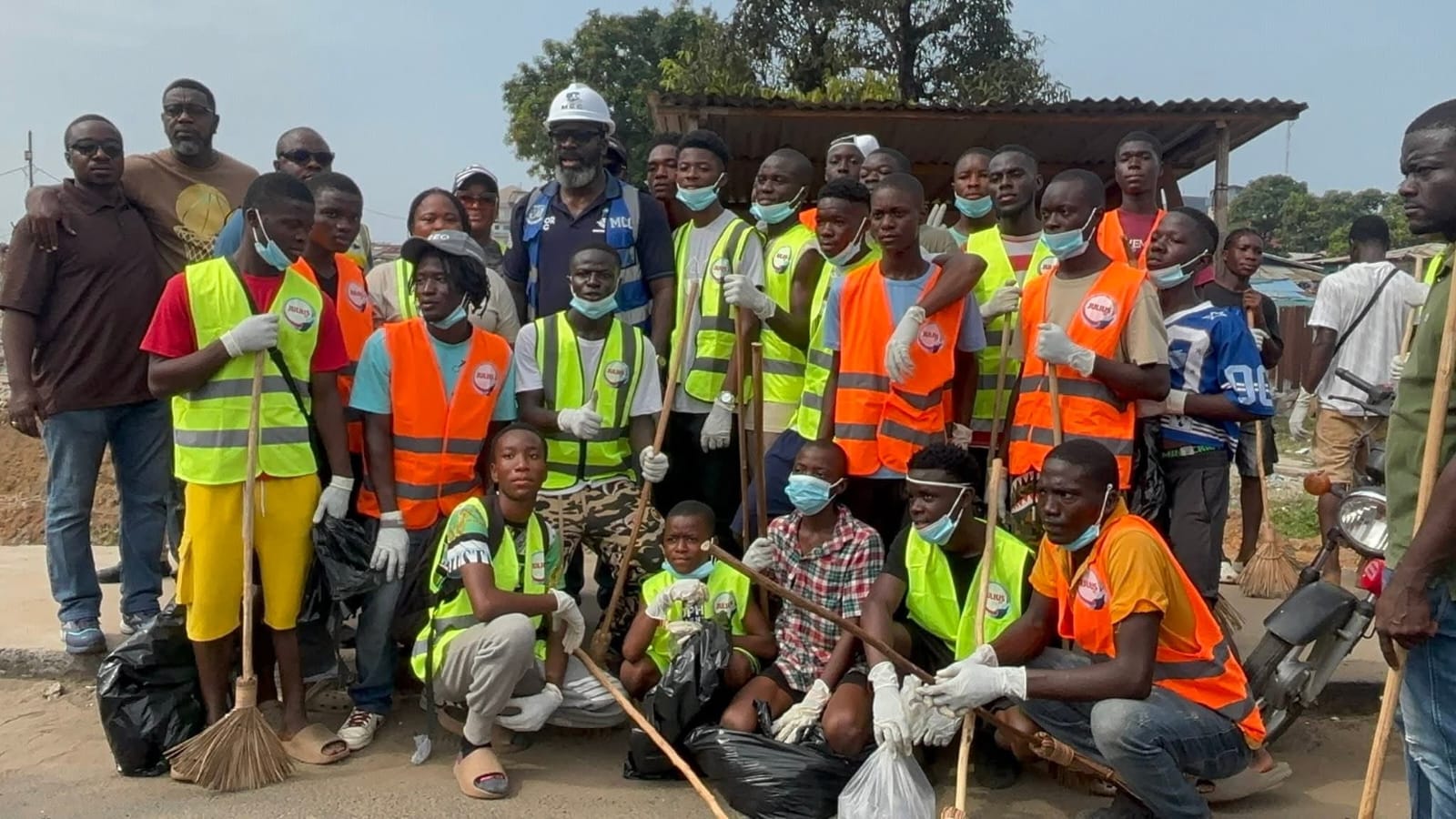
The exercise, organized by a non-profit and non-political youth group known as Julius Care, brought together dozens of young volunteers in the 9th Street community of Sinkor and surrounding areas.
The effort forms part of a growing grassroots movement to combat poor waste management and unsanitary living conditions in Monrovia.
Mayor Siafa’s participation marked a significant show of support for citizen-driven development, as he worked alongside volunteers during the group’s monthly clean-up day.
The initiative focused on clearing clogged drainage systems, sweeping streets, and removing accumulated waste, key contributors to flooding and disease outbreaks in the densely populated city.
A City Facing Sanitation Challenges
Monrovia, home to an estimated 1.5 million people, continues to grapple with waste management issues.
According to data from Liberia’s Environmental Protection Agency and international partners, the city generates hundreds of tons of solid waste daily, much of which remains uncollected due to limited infrastructure and funding constraints.
Poor sanitation has been linked to recurring outbreaks of diseases such as cholera and malaria, particularly during the rainy season when blocked drainage systems exacerbate flooding.
Public health experts emphasize that community participation is essential to complement government efforts in addressing these challenges.
Mayor Calls for Collective Responsibility
Speaking during the exercise, Mayor Siafa praised the initiative as a model for civic engagement and urged other young people across the country to emulate such efforts.
“This is a commendable example of how citizens can take ownership of their communities,” he said. “Government alone cannot solve all the challenges we face.
It requires collective action, especially from our young people, to build a cleaner and healthier Monrovia.”
Youth Leadership Driving Change
The head of the Julius Care group, Julius Konton Jr., emphasized the importance of citizen involvement in national development.
He noted that while the government plays a central role, sustainable progress depends on active public participation.
“The government cannot do it alone,” Konton said. “As citizens, we have a responsibility to support these efforts, especially in creating a safe and clean environment for healthy living.”
Launched just last month, the initiative has already begun gaining traction within local communities.
Organizers say the clean-up campaign will continue on a monthly basis, with plans to expand into additional neighborhoods across Monrovia.
Visible Impact at the Community Level
Throughout the day-long exercise, volunteers were seen removing debris from drainage systems, collecting waste along major streets, and restoring cleanliness to public spaces.
Residents in the affected areas expressed appreciation for the effort, noting immediate improvements in sanitation and accessibility.
Urban planners and environmental advocates argue that such community-led actions, when sustained, can significantly reduce environmental hazards and improve quality of life.
As Liberia continues to urbanize, experts warn that effective waste management will require stronger partnerships between government institutions, private sector actors, and local communities.
Initiatives like Julius Care highlight the growing role of youth leadership in addressing these pressing challenges.
For now, the collaboration between the Monrovia City Corporation and grassroots organizations offers a hopeful sign that collective action can drive meaningful change, one neighborhood at a time.
