


By: Julius Konton
Liberia’s economy is facing mounting pressure from global geopolitical tensions as the ongoing conflict in Iran triggers sharp increases in oil prices, prompting the government to implement urgent economic adjustments.
Finance and Development Planning Minister Augustine Kpehe Ngafuan has described the situation as an “external shock”, a term economists use to explain sudden global events that disrupt national economies beyond domestic control.
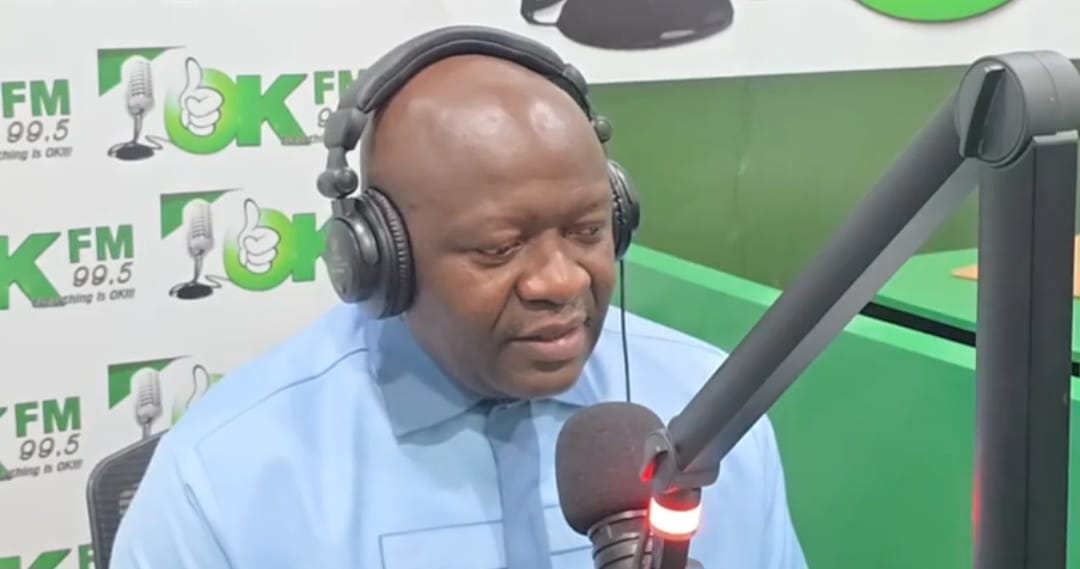
Speaking on a popular local talk show Tuesday, Minister Ngafuan noted that while Liberia’s economy had remained “largely on track,” the escalation of conflict in Iran has introduced significant uncertainty into global markets particularly in the energy sector.
GLOBAL ENERGY MARKETS IN TURMOIL
The Middle East remains central to global oil supply, accounting for nearly 30% of the world’s petroleum exports, according to historical data from the International Energy Agency (IEA).
Any instability in the region especially involving Iran, a key oil-producing nation typically leads to immediate spikes in global crude prices.
Since the outbreak of tensions, analysts estimate that oil prices have surged by 10–18% within weeks, raising concerns for oil-importing countries like Liberia.
“What is happening globally especially in oil markets is directly impacting us,” Ngafuan explained. “Liberia imports 100% of its petroleum products, so we are not insulated from these shocks.”
DOMESTIC IMPACT: FUEL PRICES RISE, BUT SUPPLY HOLDS
In response to the surge, the Liberian government has approved upward adjustments in fuel prices, citing increased import costs.
However, Minister Ngafuan emphasize that maintaining supply remains the top priority.
Liberia consumes an estimated 7,000–9,000 barrels of petroleum products daily, making fuel availability critical for transportation, electricity generation, and healthcare services.
Despite regional shortages reported in parts of West Africa, Ngafuan assured that:
Fuel stocks in Liberia remain stable
Supply chains are being closely monitored
Strategic reserves are being managed to avoid disruption
“Our key goal is availability,” he stressed.
“Some neighboring countries are already experiencing shortages, but Liberia has largely maintained supply.”
GOVERNMENT RESPONSE: MULTI-SECTOR INTERVENTION
The government has activated its Economic Management Team, bringing together key institutions, including:
Ministry of Finance and Development Planning
Ministry of Commerce and Industry
Ministry of Transport
Liberia Petroleum Refining Corporation (LPRC)
Together, they are assessing the evolving crisis and coordinating policy responses.
Key Measures Announced:
Price Adjustments: Reflecting global oil market increases
Monetary Support: Financial backing to ensure LPRC operations remain stable
Transport Stabilization: Efforts to prevent fare hikes by the National Transit Authority
Critical Sector Support: Emergency fuel interventions for hospitals and essential services
HEALTH SECTOR AT RISK
One of the most pressing concerns is the impact of rising fuel costs on Liberia’s fragile healthcare system.
Hospitals, many of which rely on fuel-powered generators due to inconsistent electricity supply, are already feeling the strain.
“Some critical hospitals are being affected,” Ngafuan revealed.
“Power supply disruptions linked to fuel shortages could threaten their operations.”
The government is reportedly designing targeted subsidies and supply guarantees to ensure uninterrupted healthcare delivery.
ECONOMIC OUTLOOK: CAUTIOUS OPTIMISM
Liberia’s economy, valued at approximately $4.5 billion GDP, remains highly vulnerable to external shocks due to its dependence on imports and limited industrial base.
However, Minister Ngafuan say ongoing economic modeling and analytics are guiding policy decisions aimed at cushioning citizens from the worst effects.
“Our economists are working on a range of mitigation strategies,” Ngafuan stated. “Once finalized, these measures will be made public.”
A GLOBAL LESSON IN INTERCONNECTEDNESS
The situation underscores the deep interconnectedness of today’s global economy where conflict in one region can quickly ripple across continents.
“A world at peace is good for eveyone especially the global economy,” Ngafuan emphasized.
As Liberia navigates this turbulent period, the government’s strategy reflects a delicate balance: absorbing global shocks while protecting domestic stability.
For now, officials remain vigilant.
“We are hoping for the best,” Ngafuan concluded, “but we are preparing for the worst.”


