




By : Julius Konton
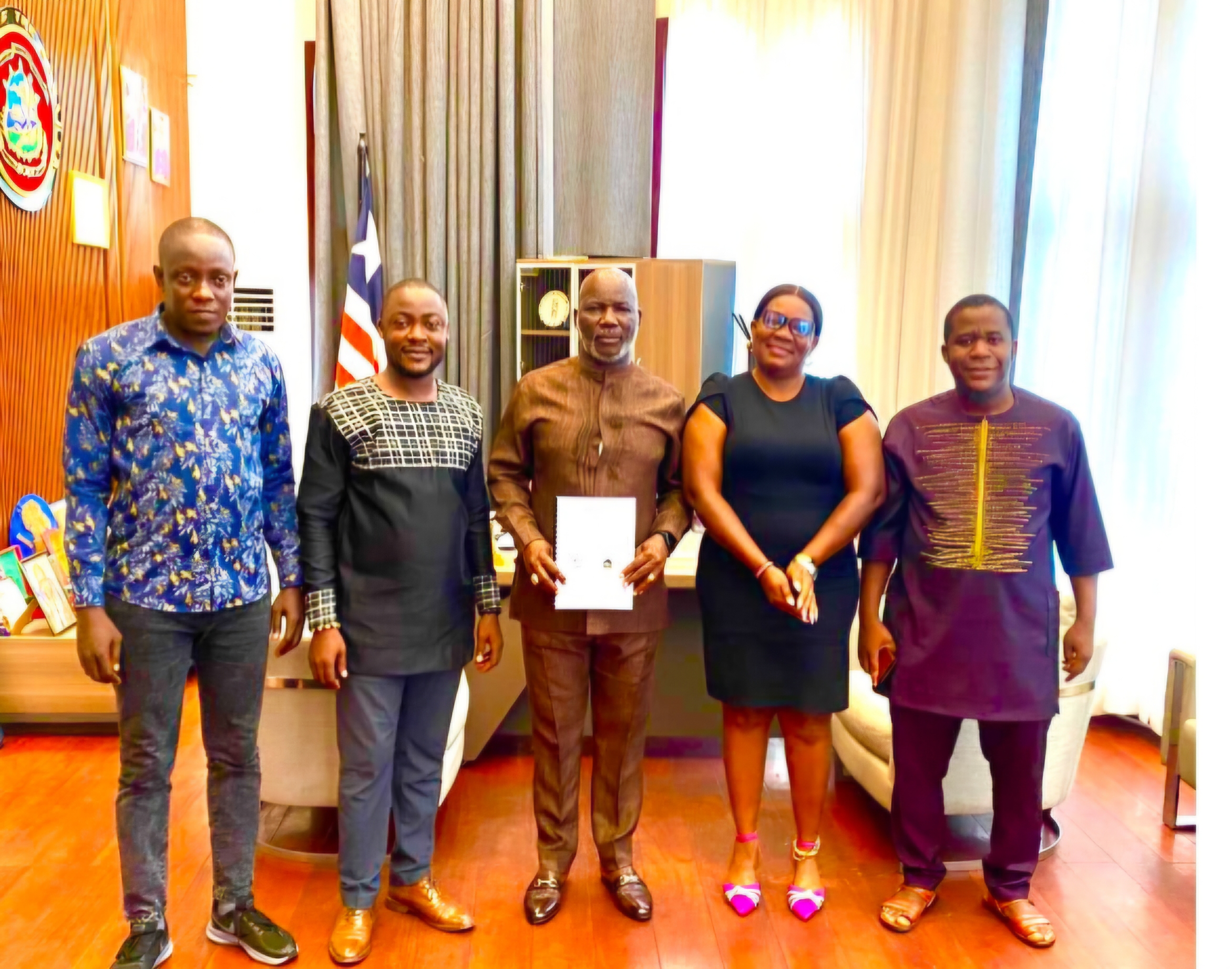
In what experts describe as one of the most significant civil society-driven interventions in Liberia’s anti-drug campaign, the Global Action for Sustainable Development (GASD) has formally submitted a comprehensive legislative proposal to the 55th National Legislature seeking the establishment of a statutory institution dedicated exclusively to drug prevention, treatment, rehabilitation, and recovery.
The proposal, titled “Legislative Proposal for the Establishment of a Statutory Institution to Lead, Coordinate, Regulate, and Strengthen Drug Prevention, Treatment, Recovery, and Rehabilitation Services in Liberia,” comes amid heightened national outrage following the controversial “19 million drugs saga”, a scandal that reignited public concerns over Liberia’s growing narcotics epidemic and institutional weaknesses in combating substance abuse.
The submission marks a potentially defining moment in Liberia’s policy response to drug addiction, a crisis increasingly described by public health experts as a national emergency.
Presenting the document, GASD’s Director for Administration, Workteh S. Nyernie, said the organization has consistently advocated since 2018 for a dedicated statutory body focused on drug demand reduction and harm minimization.
According to Nyernie, Liberia’s current anti-drug architecture remains heavily tilted toward law enforcement, while critical pillars such as prevention, treatment, psychosocial support, and rehabilitation remain severely underdeveloped.
“Liberia’s drug response has remained fragmented across various ministries and agencies, creating gaps in coordination and weakening impact,” Nyernie said.
“This proposal is not about creating another bureaucracy; it is about building a national institution capable of responding professionally and scientifically to one of Liberia’s most urgent public health crises.”
The GASD proposal builds on its Eight-Count
Policy Recommendation of 2024 and the National Petition filed by the Say No to Drugs Campaigners in August 2025.
A Growing National Crisis
Liberia’s drug abuse crisis has escalated sharply over the last decade, particularly among young people aged 15–35, who constitute nearly 60% of the country’s population.
Public health estimates suggest that substance abuse especially involving kush, tramadol, cocaine, and methamphetamine has risen significantly in urban and peri-urban communities.
Government estimates in 2024 indicated that more than 1.5 million Liberians were directly or indirectly affected by drug abuse, while rehabilitation facilities across the country remain critically inadequate, with fewer than five fully operational treatment centers serving a population of over 5.5 million people.
Analysts argue that Liberia’s anti-drug response has historically been reactionary, focusing heavily on arrests and seizures rather than addressing root causes such as unemployment, trauma, poverty, and mental health.
The Liberia Drug Enforcement Agency (LDEA) has reported several major seizures over the past three years, including narcotics worth tens of millions of dollars, yet addiction rates continue to climb raising questions about the effectiveness of existing strategies.
Legislature Signals Openness
Receiving the proposal, House Speaker Richard Nagbe Koon acknowledged the urgency of the crisis, describing the document as timely and consequential.
Koon said the effects of drug abuse extend far beyond individual users, impacting families, educational institutions, communities, and national productivity.
“Drug abuse is no longer an isolated social issue; it is now a national development challenge,” Speaker Koon stated. “The Legislature has a constitutional responsibility to strengthen our policy and institutional framework in ways that protect our people and secure our future.”
He assured GASD that the proposal would be submitted to plenary for comprehensive deliberation, signaling what many observers interpret as growing legislative willingness to consider structural reforms.
Political analysts say the Legislature’s handling of the proposal could become a litmus test for the Boakai administration’s broader anti-drug agenda, especially following increasing public criticism over what many describe as weak coordination among anti-narcotics institutions.
Foundation Backs Prevention Drive
Also speaking during the engagement, Jimes S. Doe, Executive Director of the Richard N. Koon Foundation, reaffirmed his institution’s commitment to supporting substance abuse prevention initiatives.
Doe stressed that no government can tackle drug abuse alone and emphasized the importance of community ownership, advocacy, and partnerships.
He praised GASD’s evidence-based approach, describing the legislative push as “necessary and long overdue.”
A Shift from Punishment to Recovery?
The proposal, if enacted, could represent a paradigm shift in Liberia’s anti-drug strategy moving away from a predominantly punitive model toward a public health-centered framework, similar to reforms adopted in countries like Portugal, Ghana, and Rwanda.
Critics, however, warn that creating a new institution without adequate funding, oversight, and political independence could risk duplicating existing inefficiencies.
Still, supporters argue that Liberia can no longer afford piecemeal solutions.
As the country battles rising addiction, youth vulnerability, and organized narcotics trafficking, the question now confronting lawmakers is whether Liberia is prepared to fundamentally rethink its war on drugs or continue relying on an overstretched and fragmented system.
For GASD, the answer is clear: institutional reform can no longer wait.


