



By: Julius Konton
In a region where youth unemployment, social vulnerability, and limited access to structured sports development continue to challenge governments and communities, the Professional Sports Academy (PSA) is quietly redefining the role of grassroots sports as a pathway not only to athletic excellence but also to social transformation.
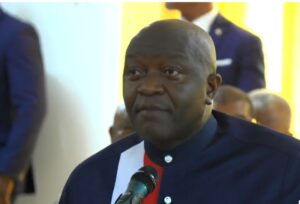
Founded on the philosophy that sports should build character as much as it builds talent, the Academy’s President, Ambassador Alioune Kebé, says PSA’s mission goes far beyond football, basketball, and handball.
“The Professional Sports Academy is not just about playing games,” Kebé said. “It is about preparing young talents to become better individuals and future stars, on and off the field.”
A Holistic Approach to Youth Development
PSA currently runs daily intensive training programs averaging three hours per session, focusing on technical skills, physical conditioning, teamwork, and discipline.
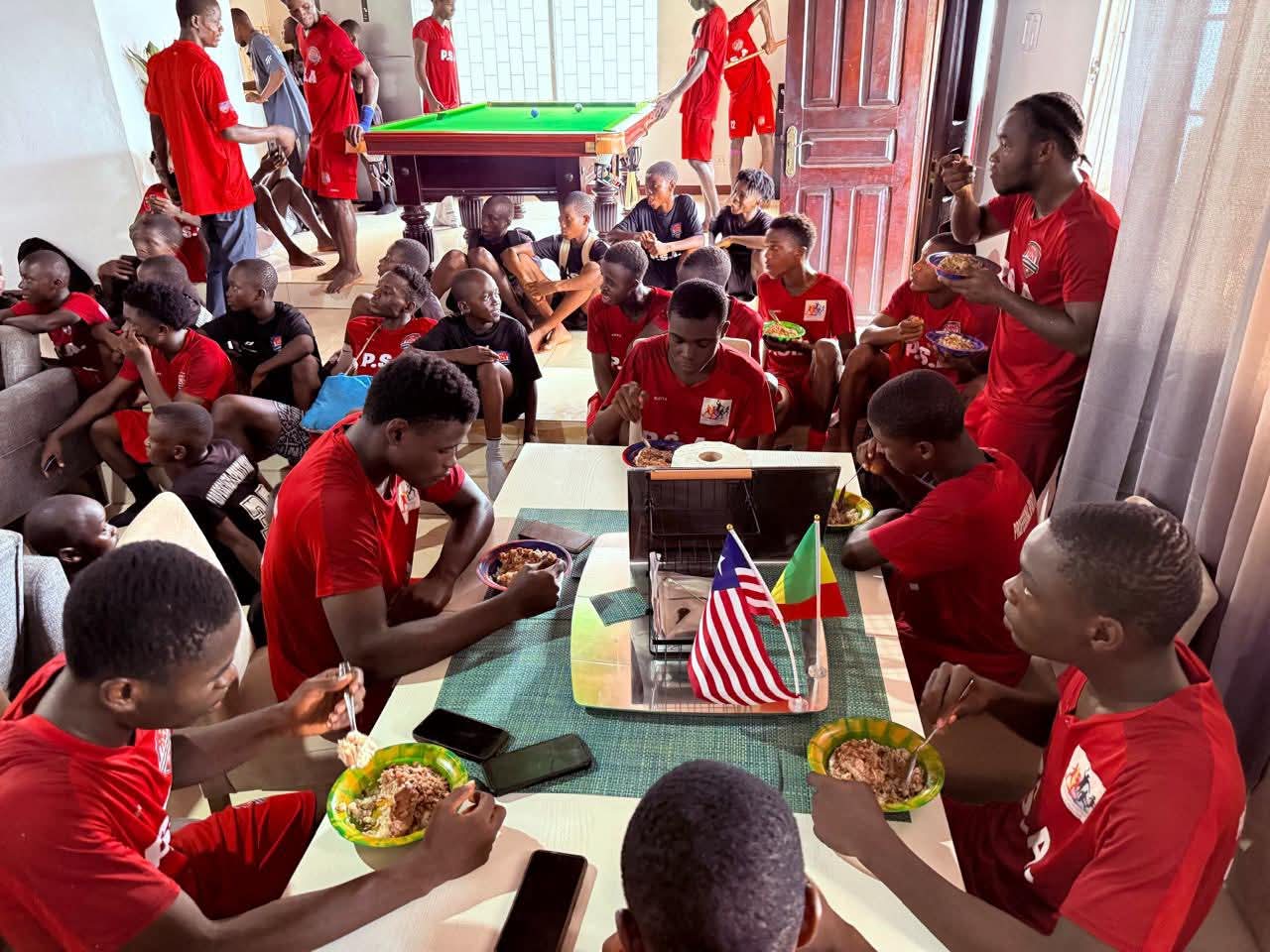
As part of its structured routine, the Academy provides meals to its trainees after training, addressing nutrition often a neglected factor in youth sports development across West Africa.
According to data from the World Health Organization (WHO) and UNICEF, more than 30 percent of children in parts of sub-Saharan Africa suffer from moderate to severe malnutrition, a condition that directly affects physical performance, cognitive development, and long-term health.
PSA’s feeding program, though modest, represents a critical intervention for young athletes from low-income households.
“You cannot develop professional athletes without caring for their health, mindset, and daily well-being,” Kebé noted.
Steering Youth Away from Social Risks
Ambassador Kebé emphasized that PSA views sports as a preventive social tool, particularly in communities where young people are vulnerable to crime, drug abuse, and early school dropout.
“At PSA, we are developing young people and steering them away from attitudes and behaviors that can destroy their lives,” he said.
“Sports give them structure, discipline, and purpose.”
Studies by the United Nations Office on Drugs and Crime (UNODC) show that youth engagement in organized sports can reduce delinquency rates by up to 40 percent in high-risk communities.
PSA’s model aligns with this evidence by combining training with mentorship and moral guidance.
Complementing Government and Parental Efforts
PSA also positions itself as a partner to families and public institutions, rather than a replacement.
“We are supporting parents and complementing the efforts of government to shape these young people into better citizens,” Kebé explained.
“We remain humble, patient, and fully determined to mold them into true professionals.”
Liberia, like many developing nations, faces resource constraints in public sports infrastructure and youth programs.
According to the Liberia Institute of Statistics and Geo-Information Services (LISGIS), more than 60 percent of the population is under the age of 25, placing enormous pressure on state-led youth development initiatives.
Private academies such as PSA are increasingly filling this gap.
Gratitude from Beneficiaries Amid Challenges
Despite facing funding constraints, logistical hurdles, and occasional criticism, PSA’s leadership has remained committed.
Beneficiaries of the program many of them children from underserved communities have publicly expressed appreciation for Ambassador Kebé’s dedication.
They noted that even in the absence of consistent external support, the Academy’s President has continued to find ways to motivate, feed, and inspire them.
“He brings joy to us and prepares us for a brighter future,” one trainee said, reflecting a sentiment shared across the program.
As African football and other sports continue to attract global attention, Africa contributed nearly 20 percent of players at the 2022 FIFA World Cup, according to FIFA academies like PSA are increasingly important pipelines for both talent and values.
While challenges remain, PSA’s experience underscores a growing recognition that sports development, when properly structured, can be a powerful engine for education, social cohesion, and national development.
For Ambassador Alioune Kebé, the vision remains clear:
“If we succeed in shaping disciplined, responsible young people, then we have already won regardless of how many trophies we lift.”


