


By: Julius Konton
A newly released 2025 national performance report has reignited debate over Liberia’s development priorities, exposing striking disparities between the country’s diplomatic achievements and its struggling domestic sectors.
The report compiled by FrontPage Africa delivered a blunt assessment: while Liberia’s foreign policy earned the government an enviable Grade A, key domestic ministries received failing scores, reinforcing what ordinary citizens experience daily.
Domestic Sector Grades: A Snapshot of National Strain
According to the report:
Youth & Sports — F
Internal Affairs — F
Mines & Energy — D
Finance, Commerce, Agriculture — C
Education & Transport — B
Foreign Affairs — A
The evaluation activist Jallah said highlights a systemic weakness in domestic governance, especially in sectors tied directly to economic growth, youth development, rural services, and national productivity.
“Diplomacy Wins Headlines, But Not Development”
Reacting to the report, U.S.-based Liberian activist Tennie Jallah argued that the findings confirm a long-standing truth: “Diplomacy does not develop nations domestic action does”, he argued.
According to Jallah, Liberia’s progress has been limited not by its global standing but by a chronic failure to invest in its people and institutions.
“No nation in history has developed because its leaders traveled abroad,” Jallah said. “Countries rise when they invest in their youth, their farmers, their small businesses, their energy sector, and the systems that support good governance”, he re-emphasized.
A Country Building Abroad but Crumbling at Home
Liberia’s foreign engagements have expanded significantly in the past year.
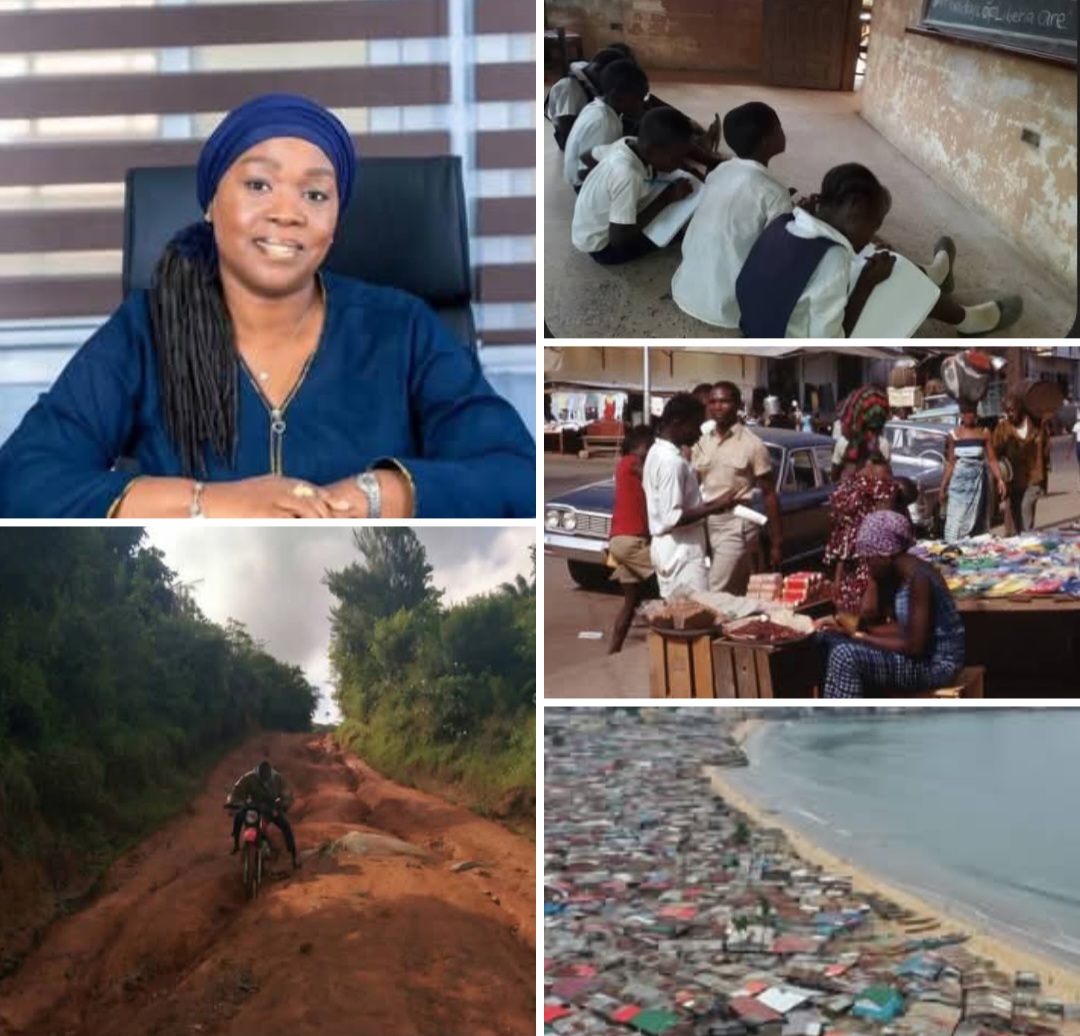
He pointed out that Government officials have attended conferences, bilateral meetings, and international forums across Washington, Brussels, Accra, Nairobi, and Dubai, Yet, while global partnerships are strengthening, the country’s domestic indicators paint a different picture:
Youth unemployment remains above 70% (unofficial estimates).
Agricultural productivity is among the lowest in West Africa, despite over 60% of the population relying on farming.
Only 28% of rural communities reportedly have reliable electricity.
Local businesses face high taxation and limited access to financing.
Internal governance remains fragmented, with more than 50% of counties reporting delayed services or incomplete development projects.
These statistics, coupled with the performance grades, underscore a developmental model that Jallah calls “externally focused and internally weak.”
“The Future Is Not Abroad, It’s in Liberia’s Heartland”
Jallah emphasized that Liberia’s path to sustainable development lies not in foreign capitals but in its own cities and towns.
“The future is not in Washington, Brussels, or Accra,” he said. “It is in Monrovia, Gbarnga, Zwedru, Ganta, Harper, Buchanan, and Voinjama.”
He urged the government to redirect its priorities toward:
Youth skills development and job creation
Strengthening local businesses and entrepreneurship
Expanding agriculture and renewable energy
Improving grassroots governance
Enhancing revenue collection and financial oversight
Investing heavily in education, innovation, and rural growth
A Call for a New National Development Mindset
Analysts say the report should serve as a wake-up call for policymakers.
Despite increased diplomatic visibility, Liberia continues to struggle with poverty, unemployment, infrastructure deficits, and governance challenges.
“Diplomacy brings respect,” Jallah said. “But only domestic transformation brings prosperity” he maintained.
Building Liberia From Within
As public frustration grows, Liberians at home and abroad are renewing calls for a home-centered development strategy, one that prioritizes citizens over foreign travel, institutions over political networks, and communities over conferences.
In Jallah’s words:
“Think Liberia. Love Liberia. Build Liberia from within”, he reechoed.
EDITOR’S NOTE
Liberia’s latest national performance report has sparked an important and overdue national conversation, one that cuts to the heart of how the country measures progress.
As the data shows, Liberia continues to shine abroad while struggling at home.
Strong diplomatic scores may earn international applause, but they offer little comfort to citizens navigating unemployment, weak institutions, and uneven services.
The remarks by U.S.-based activist Tennie Jallah strike at a growing public sentiment: Liberia cannot build a prosperous future through foreign trips, global conferences, or headline making diplomacy alone.
Development has always been and will always remain a domestically driven project.
The troubling mismatch between an “A” in foreign affairs and failing marks across youth development, internal affairs, and key economic sectors is more than a statistical imbalance; it is a reflection of national priorities out of alignment with grassroots realities.
When young people remain jobless, farmers lack tools and markets, rural communities sit in darkness, and local institutions stall, diplomatic victories feel hollow.
This editorial desk believes the report should not be dismissed as criticism, but embraced as a blueprint for redirection.
Liberia’s foreign engagements matter but they must translate into action at home.
Global partnerships should strengthen domestic capacity, not substitute for it.
As Jallah rightly asserts, nations rise not from global admiration but from investments in their people, systems, and communities.
Liberia’s future will not be determined in Washington or Brussels; it will be shaped in its classrooms, farms, marketplaces, and county administrations.
The call for a new national mindset, one rooted in building from within, is not an attack on diplomacy.
It is a reminder that diplomacy is only meaningful when it improves the lives of citizens.
If Liberia is to achieve real, lasting development, the road ahead must prioritize youth empowerment, rural transformation, strong institutions, and economic resilience.
The nation deserves more than international footprints; it needs domestic impact.
This moment presents an opportunity for thoughtful reflection, policy recalibration, and renewed commitment to nation-building not abroad, but at home.


